

Motion Blur in Abstract Photography
Motion blur in abstract photography offers a unique way to transform everyday scenes into captivating works of art. By intentionally allowing movement to be recorded during exposure, photographers can create images that emphasize energy, rhythm, and emotion rather than literal representation. This approach breaks away from traditional sharpness, inviting viewers to interpret shapes, colors, and light in new ways.
Understanding how to harness motion blur effectively opens up creative possibilities for both beginners and experienced photographers. Whether you’re looking to add a sense of dynamism to your portfolio or experiment with new techniques, exploring this style can help you see the world from a fresh perspective.
For those interested in expanding their creative toolkit, techniques such as creative use of blur and sharpness can further enhance the expressive potential of your images. Exploring related concepts like using light for visual rhythm can also deepen your understanding of how motion and illumination interact in photography.
Understanding Motion Blur for Artistic Effect
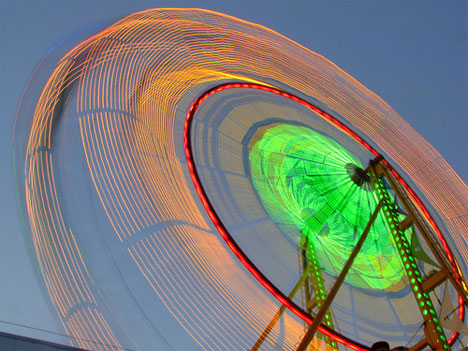
Unlike accidental camera shake, intentional motion blur is a deliberate technique that uses slow shutter speeds to capture the movement of subjects, the camera, or both. In the context of abstract photography, this approach is less about documenting reality and more about expressing mood, movement, and atmosphere.
Some of the most compelling abstract images are created by panning the camera, zooming during exposure, or photographing moving subjects with a stationary camera. The resulting streaks, swirls, and smears of color can evoke feelings of chaos, serenity, or excitement, depending on the scene and technique used.
Key Techniques for Creating Motion Blur
To achieve striking results with motion blur in abstract photography, consider experimenting with the following methods:
- Slow Shutter Speeds: Use shutter speeds ranging from 1/30 second to several seconds. The exact speed will depend on the subject’s movement and the desired effect.
- Intentional Camera Movement (ICM): Move your camera in a controlled way—such as panning, tilting, or rotating—while the shutter is open. This can create painterly effects and dynamic lines.
- Subject Motion: Keep the camera steady and photograph moving subjects, like people, vehicles, or flowing water, to capture their motion as soft blurs.
- Zoom Blur: Adjust the zoom ring during a long exposure to create radiating lines from the center of the image.
- Multiple Exposures: Combine several exposures in-camera or during post-processing to layer different movements and create complex compositions.
Mastering these techniques takes practice, but each offers a distinct way to infuse your images with energy and abstraction.
Essential Camera Settings and Equipment
Getting the most out of motion blur techniques requires some adjustments to your usual camera setup. Here are a few tips to help you get started:
- Manual or Shutter Priority Mode: Switch your camera to manual (M) or shutter priority (S or Tv) mode to control the exposure time.
- Tripod or Handheld: Use a tripod for stability when you want only the subject to blur. For intentional camera movement, shoot handheld and experiment with different gestures.
- Neutral Density (ND) Filters: In bright conditions, ND filters help reduce the amount of light entering the lens, allowing for longer exposures without overexposing the image.
- Remote Shutter Release: Minimize unwanted shake by using a remote or the camera’s self-timer, especially for exposures longer than one second.
- ISO and Aperture: Keep ISO low (100–400) to reduce noise, and adjust aperture to control depth of field and exposure.
Experiment with different combinations to discover what works best for your creative vision. For more inspiration on how to use light in your compositions, check out this article on light intensity photography.
Creative Applications of Motion Blur
Abstract images that use motion blur can be found in a wide range of subjects and environments. Some popular approaches include:
- Urban Scenes: Capture the rush of city life by photographing moving crowds, vehicles, or illuminated signs at night.
- Nature and Landscapes: Use long exposures to blur wind-blown grass, flowing water, or swaying trees, creating a sense of tranquility or drama.
- Light Painting: Move a light source or the camera itself during a long exposure to draw shapes and patterns in the frame.
- Portraits: Blend sharp and blurred elements to convey emotion or movement, such as a dancer in motion or a person walking through a scene.
For those interested in capturing the movement of water, the guide on using long exposure for water offers practical tips and creative ideas.

Lighting and Composition Tips
Lighting plays a crucial role in shaping the mood and clarity of abstract images with motion blur. Directional light, backlighting, and artificial sources can all affect how movement is rendered. For example, shooting during the golden hour or at night with artificial lights can produce dramatic color trails and silhouettes.
Pay attention to composition as well. Strong lines, contrasting colors, and balanced shapes help guide the viewer’s eye through the image. Experiment with framing and negative space to emphasize the abstract qualities of your subject. For more on the role of light in photography, see this in-depth guide to light in photography.
Common Challenges and How to Overcome Them
Working with motion blur can present some hurdles. Overexposure, unwanted camera shake, and lack of focus are common issues. Here are a few solutions:
- Overexposure: Use ND filters, close down the aperture, or lower ISO to allow for longer exposures without blowing out highlights.
- Unwanted Shake: Use a tripod or stabilize your camera when you want only the subject to blur. For intentional camera movement, practice smooth, controlled motions.
- Focus Issues: Pre-focus on a specific point or use manual focus to ensure important elements remain sharp if desired.
- Trial and Error: Don’t be afraid to experiment. Review your images and adjust settings as needed to achieve the desired effect.
With patience and practice, you’ll develop an intuitive sense for how to balance motion, light, and composition.
Inspiration and Next Steps
Exploring motion blur in abstract photography can lead to surprising and rewarding results. As you experiment, consider studying the work of other photographers who use blur creatively. Try different subjects, lighting conditions, and camera movements to discover your personal style.
If you’re interested in capturing moving vehicles or dynamic city scenes, the article on how to photograph car motion provides practical advice for mastering these techniques.
Above all, remember that abstract photography is about expression and experimentation. There are no strict rules—only opportunities to see and share the world in new ways.
Frequently Asked Questions
What camera settings work best for capturing motion blur in abstract images?
Start with a slow shutter speed, such as 1/15 to several seconds, depending on the amount of movement and available light. Use manual or shutter priority mode, keep ISO low, and adjust aperture as needed. Experiment with different settings to achieve the desired level of blur.
Do I need special equipment to create abstract photos with motion blur?
While a tripod and ND filters can be helpful, especially in bright conditions, you can start with just a camera that allows manual control of shutter speed. Handheld shooting is often used for intentional camera movement, but a tripod is useful when you want only the subject to blur.
How can I use lighting to enhance my motion blur photos?
Lighting affects the mood and clarity of your images. Experiment with different light sources, such as natural sunlight, streetlights, or colored LEDs. Directional and backlighting can create interesting silhouettes and trails. For more ideas, explore resources on using light for visual rhythm.
This article contains affiliate links. We may earn a commission at no extra cost to you.
This article contains affiliate links. We may earn a commission at no extra cost to you.
This article contains affiliate links. We may earn a commission at no extra cost to you.
This article contains affiliate links. We may earn a commission at no extra cost to you.
This article contains affiliate links. We may earn a commission at no extra cost to you.