

How to Photograph Candle Movement
Capturing the subtle dance of a candle flame can transform a simple scene into a mesmerizing photograph. The gentle flicker, shifting shapes, and interplay of light and shadow present unique challenges and creative opportunities for photographers at any skill level. Whether you want to freeze the flame in perfect clarity or emphasize its motion with artistic blur, understanding the right techniques and settings is essential for success.
In this guide, you'll learn how to approach photographing moving candlelight, from choosing the right equipment to mastering exposure and composition. Along the way, you'll discover tips for working with low light, controlling motion blur, and making the most of both natural and artificial lighting. For those interested in exploring related creative techniques, check out creating motion illusion in stills for more inspiration.
Essential Equipment for Capturing Candle Flame Motion
Photographing the movement of a candle flame requires a few key pieces of equipment. While you don't need the most advanced gear, certain tools will make the process smoother and help you achieve professional-looking results:
- Camera with Manual Controls: A DSLR or mirrorless camera allows you to adjust shutter speed, aperture, and ISO, which are crucial for controlling exposure and motion blur.
- Tripod: Stability is vital, especially when using slower shutter speeds to capture the flame's motion. A tripod prevents camera shake and ensures sharp images.
- Remote Shutter Release: This accessory helps minimize vibrations when taking long exposures, resulting in cleaner shots.
- Prime or Macro Lens: Lenses with wide apertures (like f/1.8 or f/2.8) are ideal for low-light scenes and allow you to focus closely on the flame.
While optional, using filters can help control the intensity of the candlelight. For more on this, see using filters to control light.
Camera Settings for Photographing Moving Candlelight
To successfully photograph the movement of a candle flame, you need to balance exposure, sharpness, and creative intent. Here are the most important settings to consider:
- Shutter Speed: A fast shutter speed (1/200s or faster) will freeze the flame, capturing its shape in crisp detail. Slower speeds (1/10s to several seconds) introduce motion blur, emphasizing the flame's movement and creating a dreamy effect.
- Aperture: Use a wide aperture (low f-number) to let in more light and create a shallow depth of field. This helps isolate the flame from the background, making it stand out.
- ISO: Start with a low ISO (100–400) to minimize noise. Increase it only if you need more sensitivity in very dim conditions.
- Manual Focus: Autofocus can struggle in low light. Switch to manual focus and carefully adjust until the flame is sharp.
Experiment with different combinations to see how they affect the look of the flame. If you're interested in blending different light sources, the article on mixing natural and artificial light offers valuable insights.
Lighting and Composition Tips for Candle Flame Photography
Lighting is both your subject and your tool when working with candles. Here are some tips to make the most of it:
- Control Ambient Light: Photograph in a dark or dimly lit room to ensure the candle flame is the main light source. This creates dramatic contrast and emphasizes the flame's movement.
- Use Reflectors: A white card or reflector can bounce some light back onto the subject, revealing subtle details without overpowering the flame.
- Experiment with Angles: Try shooting from different perspectives—side, above, or close-up—to find the most compelling view of the flame's motion.
- Include Context: Incorporate elements like candle holders, hands, or surrounding objects to add narrative and depth to your composition.
For a deeper understanding of how light shapes your images, explore this comprehensive guide to light in photography.
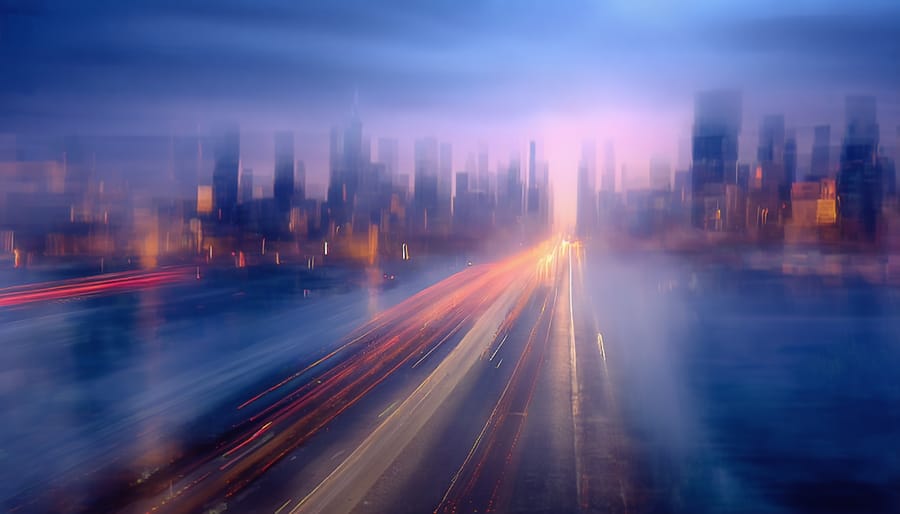
Creative Approaches to Showcasing Candle Flame Motion
There are several ways to highlight the movement of a candle flame in your photos. Here are a few creative ideas to try:
- Long Exposure Light Trails: Use a slow shutter speed and gently move the candle or let air currents move the flame. The resulting light trails can create abstract, painterly effects.
- Multiple Candles: Arrange several candles at different distances. Their flames may interact, producing complex patterns of light and shadow.
- Silhouettes: Place a subject (such as a hand or an object) between the camera and the candle. The backlighting from the flame creates dramatic silhouettes and adds depth.
- Reflections: Photograph the candle near a reflective surface, like glass or polished wood, to double the visual impact of the flame's movement.
For more on capturing dynamic subjects, see the article on how to photograph moving animals, which covers motion techniques that can be adapted for inanimate subjects like candle flames.

Common Challenges and How to Overcome Them
Photographing moving candlelight comes with its own set of obstacles. Here are some frequent issues and practical solutions:
- Camera Shake: Use a tripod and remote shutter release to avoid blur caused by unsteady hands, especially during long exposures.
- Overexposure: Candle flames are bright compared to their surroundings. Use spot metering to expose for the flame, and consider bracketing exposures for more control.
- Focus Issues: Low light can make autofocus unreliable. Switch to manual focus and use live view with zoom to fine-tune sharpness.
- Noise: High ISO settings introduce grain. Keep ISO as low as possible and use noise reduction in post-processing if needed.
- Motion Artifacts: Unwanted streaks or ghosting can appear with very long exposures. For more on this, see understanding motion artifacts.
Post-Processing Tips for Candle Flame Photos
Editing your images can enhance the mood and bring out the best in your candle flame shots. Consider these adjustments:
- Contrast and Clarity: Boost contrast to make the flame pop against the background. Adjust clarity to emphasize details in the flame's shape.
- Noise Reduction: Apply noise reduction carefully to smooth out grain without losing important details.
- White Balance: Candlelight is warm. Adjust white balance to retain the natural amber glow or cool it down for a different mood.
- Cropping: Tighten your composition to focus attention on the most interesting parts of the image.
FAQ: Photographing Candle Flame Motion
What shutter speed should I use to capture candle flame movement?
For sharp, detailed flames, use a fast shutter speed like 1/200s or higher. To emphasize motion and create blur, experiment with slower speeds such as 1/10s or even several seconds, depending on the effect you want.
How can I avoid overexposing the flame?
Use spot metering to expose for the brightest part of the flame. If your camera allows, bracket your exposures and combine them in post-processing to balance highlights and shadows.
Is it better to use natural or artificial light with candles?
Both can work, but keeping the environment dark lets the candle flame stand out. If you add artificial light, use it sparingly and from the side or behind to avoid overpowering the flame. For more on blending light sources, see mixing natural and artificial light.
Mastering the art of photographing moving candlelight takes patience and experimentation. With the right techniques and a creative approach, you can produce images that capture the magic and movement of a simple flame.
This article contains affiliate links. We may earn a commission at no extra cost to you.
This article contains affiliate links. We may earn a commission at no extra cost to you.
This article contains affiliate links. We may earn a commission at no extra cost to you.
This article contains affiliate links. We may earn a commission at no extra cost to you.
This article contains affiliate links. We may earn a commission at no extra cost to you.