

Creating Motion Illusion in Stills
Photographers have long been fascinated by the challenge of conveying movement in a single, static image. The art of creating motion illusion in stills is about using visual techniques to make viewers feel the energy, speed, or direction of a subject, even though the photograph itself does not move. Mastering this skill can add drama, storytelling, and a dynamic edge to your portfolio, whether you shoot sports, street scenes, wildlife, or creative abstracts.
In this guide, we’ll explore the most effective methods for suggesting movement in still photography, from camera settings and composition to lighting and post-processing. We’ll also look at how understanding light and direction can enhance the sense of motion, referencing resources like the importance of lighting direction for deeper insight.
Understanding the Principles of Motion in Photography
To create a convincing sense of movement in a photograph, it’s essential to understand how the human eye interprets visual cues. Elements such as blur, direction, repetition, and light trails can all suggest motion. The right combination of these factors can transform an ordinary image into one that feels alive and energetic.
One of the most common techniques is motion blur, where a moving subject or background appears streaked or softened due to a slower shutter speed. This effect can be achieved in-camera and is often used to capture the rush of a waterfall, the spin of a carnival ride, or the hustle of city streets. For more on how to control these effects, see our article on understanding motion artifacts.
Camera Settings for Dynamic Effects
Choosing the right camera settings is crucial for creating motion illusion in stills. Here are some key considerations:
- Shutter Speed: A slower shutter speed (such as 1/30s or lower) allows moving subjects to blur, while a faster shutter speed (like 1/500s or higher) freezes action. Experimenting with different speeds helps you find the perfect balance for your subject.
- Aperture: A wide aperture (low f-number) can help isolate your subject from the background, making the motion effect more pronounced. However, be mindful of depth of field.
- ISO: Adjusting ISO helps compensate for lower light when using slower shutter speeds, but higher ISO can introduce noise. Use the lowest ISO possible for clean images.
Combining these settings with intentional camera movement or subject movement is the foundation of motion-based photography.
Techniques for Suggesting Movement
There are several proven methods for adding a sense of action to your photos. Here are some of the most effective:
Motion Blur and Panning
Motion blur is achieved by keeping the camera still while the subject moves, or by moving the camera along with the subject (panning). Panning involves tracking a moving subject with your camera during a longer exposure, resulting in a sharp subject against a blurred background. This technique is popular for photographing vehicles, cyclists, or running animals. For tips on capturing animals in motion, check out our guide on how to photograph moving animals.
Light Trails and Long Exposures
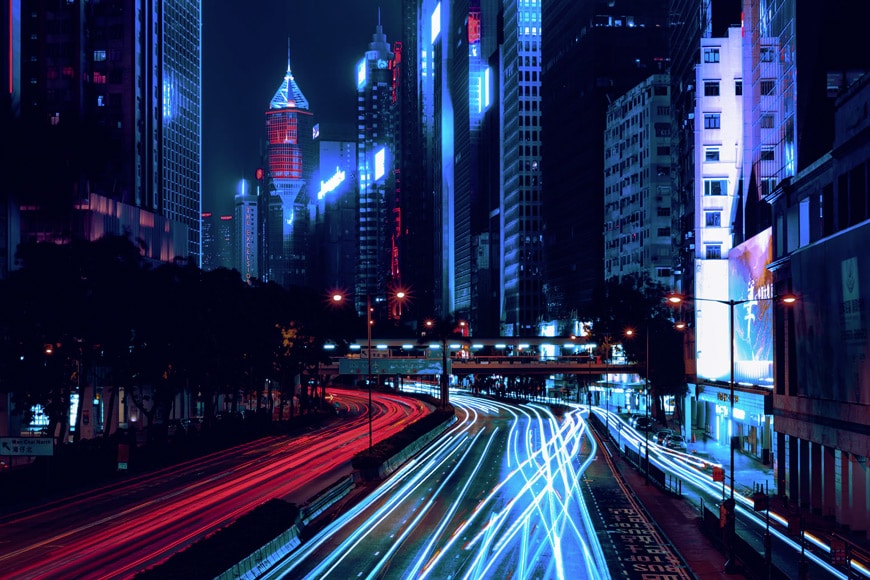
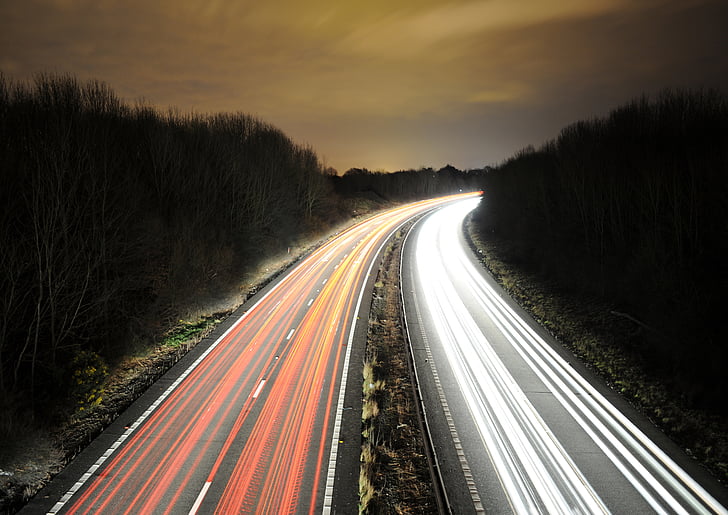
Long exposures at night can capture the trails of moving lights, such as car headlights, fireworks, or illuminated rides at a fairground. These streaks of light create a vivid impression of movement and direction, especially when combined with static elements in the frame. Using a tripod is essential for sharpness in these shots.
Creative Blur and Abstracts
Intentional camera movement (ICM) is another way to create abstract images that evoke motion. By moving the camera during a long exposure, you can create painterly effects that suggest speed, chaos, or fluidity. This method is often used in creative low light movement photography, which you can learn more about in our article on creative low light movement photography.
Lighting and Its Impact on Motion Effects
Lighting plays a significant role in how motion is perceived in a still image. Directional light can emphasize the path of movement, while backlighting can create striking silhouettes and highlight blur. Using artificial lighting, such as flashes or continuous lights, allows you to freeze certain elements while letting others blur, resulting in a layered effect.
For a deeper understanding of how light affects your images, refer to this comprehensive lesson on the impact of light in photography. You can also experiment with filters to control the amount and quality of light, as explained in our guide on using filters to control light.
Composition Tips for Enhanced Movement
Beyond technical settings, composition is key to guiding the viewer’s eye and enhancing the illusion of motion. Here are some compositional strategies:
- Leading Lines: Use roads, rails, or architectural features to direct attention along the path of movement.
- Negative Space: Leave space in front of moving subjects to suggest where they’re headed, adding tension and anticipation.
- Repetition: Multiple elements in a sequence, such as footsteps or waves, can reinforce the sense of ongoing action.
- Diagonal Placement: Placing subjects or blur diagonally across the frame adds energy and dynamism.
Combining these compositional tools with motion techniques makes your images more engaging and visually compelling.
Post-Processing to Accentuate Motion
While much of the motion effect is achieved in-camera, post-processing can further enhance the illusion. Techniques include:
- Selective Sharpening: Emphasize key areas while leaving motion-blurred sections soft.
- Adding Blur: Use software tools to simulate motion blur or radial blur for creative effects.
- Contrast and Color: Boosting contrast and saturation can make light trails and blurred areas pop.
Remember, subtlety is key—over-processing can make the effect look artificial. Aim for a natural balance that supports your creative vision.
Common Challenges and How to Overcome Them
Capturing convincing movement in stills comes with its own set of challenges. Here are some solutions:
- Unwanted Camera Shake: Use a tripod or image stabilization to keep static elements sharp.
- Overexposure: When using long exposures in daylight, use neutral density filters to reduce light intake.
- Missed Focus: Pre-focus on the area where your subject will move, or use continuous autofocus for tracking.
Practice and experimentation are the best ways to refine your technique and develop your own style.
FAQ
What is the best shutter speed for capturing motion blur?
The ideal shutter speed depends on the speed of your subject and the desired effect. For subtle blur, try 1/30s to 1/60s. For dramatic streaks, use 1 second or longer. Test different settings to see what works best for your scene.
How can I create light trails in my photos?
To capture light trails, use a long exposure (several seconds or more) at night or in low light. Mount your camera on a tripod, set a low ISO, and use a small aperture to prevent overexposure. Moving lights, such as cars or fireworks, will create streaks across your frame.
Do I need special equipment to create motion effects?
While a DSLR or mirrorless camera with manual controls offers the most flexibility, you can achieve motion blur with many smartphones that offer manual or “pro” modes. A tripod and, optionally, neutral density filters are helpful for long exposures, but creativity and practice are the most important tools.
This article contains affiliate links. We may earn a commission at no extra cost to you.
This article contains affiliate links. We may earn a commission at no extra cost to you.
This article contains affiliate links. We may earn a commission at no extra cost to you.
This article contains affiliate links. We may earn a commission at no extra cost to you.
This article contains affiliate links. We may earn a commission at no extra cost to you.