

Using Light for Visual Rhythm
Light is a powerful tool in visual storytelling, shaping not only what we see but also how we feel about an image. When photographers and visual artists talk about using light for visual rhythm, they refer to the way light can guide the viewer’s eye, create patterns, and establish a sense of movement or flow within a composition. Whether you’re working with natural sunlight or artificial sources, understanding how to harness light’s rhythmic qualities can elevate your creative work and make your images more engaging.
In this article, we’ll break down the concept of visual rhythm, explore practical techniques for achieving it with light, and provide real-world examples. You’ll also find helpful resources, actionable tips, and answers to common questions about this essential aspect of visual design.
For those interested in experimenting further, exploring topics like creative use of blur and sharpness can complement your understanding of rhythm and movement in photography.
Understanding Visual Rhythm in Photography
Visual rhythm is the repetition or alternation of elements—such as lines, shapes, colors, or light—within a frame. Just as rhythm in music relies on repeated beats or patterns, visual rhythm uses recurring visual cues to create a sense of harmony and motion. When applied thoughtfully, it can:
- Lead the viewer’s eye through the image
- Establish mood and atmosphere
- Unify different parts of a composition
- Suggest movement, even in static scenes
Light is one of the most versatile elements for building rhythm. By controlling its direction, intensity, and quality, you can create repeating highlights and shadows, alternating bright and dark areas, or patterns that echo throughout your image.
Techniques for Creating Rhythm with Light
There are several practical approaches to using light for visual rhythm in your photography or visual art. Here are some of the most effective:
1. Repetition of Highlights and Shadows
One of the simplest ways to introduce rhythm is by capturing repeated areas of light and shadow. For example, sunlight streaming through a row of trees or windows can cast a series of parallel highlights and dark bands across a surface. This repetition draws the eye and creates a pleasing visual beat.

2. Directional Lighting to Guide the Eye
By positioning your light source at an angle, you can create a sequence of illuminated and shaded areas that naturally lead the viewer’s gaze along a path. This is especially effective in portraits, architectural shots, or landscapes where you want to emphasize depth and movement.
Experiment with side lighting, backlighting, or even dappled light filtering through leaves to achieve different rhythmic effects. The interplay of light and shadow can be subtle or dramatic, depending on your creative intent.
3. Patterns and Repetition in Artificial Lighting
Artificial lights—such as lamps, neon signs, or studio strobes—can be arranged to form repeating shapes or lines. Think of a row of streetlights receding into the distance, or a series of spotlights illuminating a stage. These patterns create a visual tempo that adds energy and structure to your composition.
For more on capturing movement and rhythm, you might also enjoy reading about how to photograph car motion, which explores related techniques in dynamic environments.
Practical Examples of Light-Driven Rhythm
Let’s look at some real-world scenarios where rhythm is established through creative lighting:
- Urban Night Scenes: Rows of headlights, illuminated windows, or repeating reflections on wet pavement can all produce rhythmic patterns that energize city photography.
- Nature and Landscapes: The alternating light and shadow created by clouds passing over hills, or the rhythmic sparkle of sunlight on water, can add a sense of movement to outdoor images.
- Still Life and Product Photography: Carefully placed lights can create repeating highlights on glassware, jewelry, or textured surfaces, emphasizing form and structure.
Tips for Mastering Light-Based Visual Rhythm
To get the most out of your lighting, consider these practical suggestions:
- Observe Natural Patterns: Spend time watching how sunlight interacts with your environment at different times of day. Notice where patterns emerge and how they change.
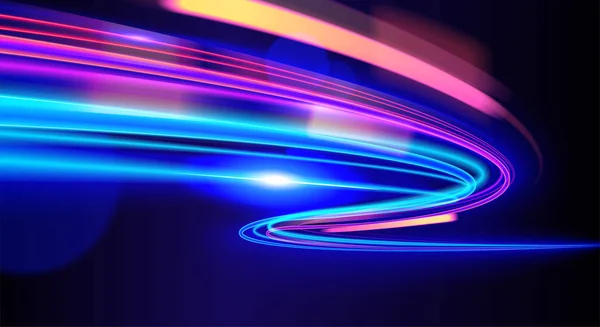
- Experiment with Exposure: Adjust your camera settings to emphasize the contrast between light and shadow. Longer exposures can blur moving lights, creating streaks and flow, while shorter exposures freeze crisp patterns.
- Use Props and Surfaces: Reflective or textured surfaces can multiply light sources, increasing the sense of rhythm. Try shooting through glass, water, or mesh for unique effects.
- Plan Your Composition: Before you shoot, visualize how light will move across your frame. Arrange elements to maximize repetition and flow.
- Combine with Other Techniques: Pair rhythmic lighting with techniques like creative slow shutter shots or using long exposure for water to further enhance the sense of movement.
Common Mistakes to Avoid
While experimenting with rhythm and light, be mindful of these pitfalls:
- Overcomplicating the Scene: Too many competing patterns can confuse the viewer. Focus on a clear, dominant rhythm.
- Ignoring the Subject: Rhythm should support your main subject, not overwhelm it. Make sure the eye is still drawn to the most important part of the image.
- Poor Exposure Control: Blown highlights or blocked shadows can destroy subtle patterns. Use your histogram and exposure compensation to maintain detail.
Learning from the Masters
Many renowned photographers and artists have used light to create rhythm in their work. Studying their images can provide inspiration and insight. For a deeper dive into natural lighting techniques, check out this comprehensive guide to natural light photography. Notice how masters use repetition, contrast, and direction to build visual flow.
Integrating Rhythm into Your Workflow
Building rhythm with light doesn’t require expensive equipment. Start with what you have—window light, lamps, or even flashlights. Practice recognizing and capturing patterns in everyday scenes. Over time, you’ll develop an intuitive sense for how to arrange and manipulate light to create dynamic, rhythmic compositions.
For those interested in narrative-driven imagery, exploring using motion for storytelling can further enhance your ability to convey emotion and energy through light and rhythm.
Frequently Asked Questions
How can I identify rhythm in my photos?
Look for repeating elements—such as lines, shapes, or light patterns—that guide the viewer’s eye through the frame. If your image feels balanced and dynamic, you’re likely achieving visual rhythm.
Do I need special equipment to create rhythmic lighting?
No, you can use natural light, household lamps, or inexpensive reflectors to shape light. The key is to observe how light interacts with your scene and experiment with placement and intensity.
What camera settings work best for capturing light-based rhythm?
Settings depend on your desired effect. For crisp patterns, use a fast shutter speed and low ISO. For blurred, flowing light (such as light trails), use longer exposures and a tripod. Adjust aperture to control depth of field and highlight your subject.
Can rhythm be combined with other visual techniques?
Absolutely. Rhythm works well with leading lines, symmetry, and color contrast. Combining multiple techniques can make your images more compelling and layered.
Conclusion
Mastering the art of using light for visual rhythm opens up new creative possibilities in photography and visual design. By observing, experimenting, and refining your approach, you can create images that not only capture attention but also guide the viewer’s experience from start to finish. Remember to keep your compositions simple, focus on clear patterns, and let light be your guide in building visual harmony.
This article contains affiliate links. We may earn a commission at no extra cost to you.
This article contains affiliate links. We may earn a commission at no extra cost to you.
This article contains affiliate links. We may earn a commission at no extra cost to you.
This article contains affiliate links. We may earn a commission at no extra cost to you.