

Creative Slow Shutter Shots
Exploring the world of creative slow shutter shots opens up a new dimension in photography, allowing you to capture movement, light, and atmosphere in ways that are impossible with fast shutter speeds. By intentionally slowing down your camera’s shutter, you can transform ordinary scenes into dynamic, expressive images filled with motion blur, light trails, and ethereal effects. Whether you’re photographing bustling city streets, flowing water, or nighttime landscapes, mastering these techniques can elevate your visual storytelling and help your work stand out.
For those interested in expanding their skills further, learning about using motion for storytelling can provide additional inspiration and practical approaches to integrating movement into your images. In this guide, we’ll break down the essentials of slow shutter photography, offer practical tips, and showcase creative ideas to help you get started.
Understanding the Magic of Slow Shutter Photography
At its core, slow shutter photography is about using longer exposure times to capture the passage of time in a single frame. Unlike standard snapshots, where the camera’s shutter opens and closes in a fraction of a second, slow shutter images might use exposures ranging from half a second to several minutes. This technique allows moving subjects to blur or streak across the image, creating a sense of motion and energy that’s both artistic and visually striking.
Common uses for these techniques include:
- Capturing light trails from cars and city lights
- Blurring water to create a silky, smooth effect
- Recording the movement of clouds or crowds
- Painting with light using handheld light sources
To get started, you’ll need a camera with manual exposure controls, a sturdy tripod, and a willingness to experiment. Understanding the relationship between shutter speed, aperture, and ISO is essential for achieving the desired effect without overexposing your images.
Essential Gear and Camera Settings for Motion Effects
To create compelling images with slow shutter speeds, having the right equipment is crucial. Here’s what you’ll need:
- Camera with Manual Mode: Most DSLRs, mirrorless cameras, and even some advanced compacts allow you to adjust shutter speed directly.
- Tripod: Stability is key. Even the slightest camera shake can ruin a long exposure, so a solid tripod is a must.
- Remote Shutter Release or Timer: Using a remote or your camera’s self-timer helps prevent camera shake when pressing the shutter button.
- Neutral Density (ND) Filters: These filters reduce the amount of light entering the lens, allowing for longer exposures even in bright conditions.
When setting up your camera, start with a low ISO (100-400) to minimize noise. Choose a small aperture (higher f-number) to increase depth of field and further reduce light. Then, adjust your shutter speed based on the effect you want—longer for more blur, shorter for subtle motion.
For more on how light impacts your results, check out this in-depth guide to mastering photography lighting.
Creative Ideas for Capturing Motion and Light
Once you’re comfortable with the basics, it’s time to get creative. Here are some inspiring ways to use slow shutter techniques:
Light Trails in Urban Environments
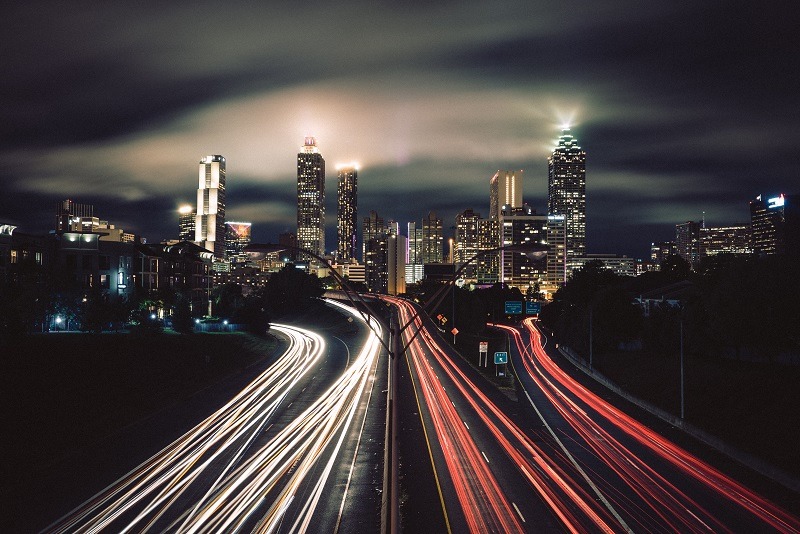
City streets at night are perfect for capturing the vibrant streaks of headlights and taillights. Set up your tripod overlooking a busy road, use a shutter speed of several seconds, and watch as moving vehicles paint lines of color across your frame. Experiment with different vantage points and times of day to find the most dynamic compositions.
Silky Waterfalls and Rivers
Flowing water is a classic subject for slow shutter photography. By using exposures of one second or longer, you can turn rushing streams and waterfalls into smooth, misty ribbons. This technique works best in low light or with ND filters to avoid overexposure. Try different shutter speeds to see how the texture of the water changes.
If you’re interested in more advanced approaches, experimenting with shutter drag offers additional ways to manipulate movement and light in your images.
Dynamic Nightscapes and Urban Motion
Nighttime cityscapes are full of opportunities for creative long exposures. Beyond car lights, look for illuminated signs, moving crowds, or even the subtle movement of clouds. Combining these elements can result in images that feel alive and energetic, emphasizing the pulse of urban life.

Tips for Success with Slow Shutter Techniques
- Plan Your Shot: Scout your location and visualize how movement will appear in the frame. Consider the direction and speed of your subjects.
- Use Manual Focus: Autofocus can struggle in low light. Switch to manual and pre-focus on your subject before starting your exposure.
- Bracket Exposures: Take multiple shots at different shutter speeds to find the best balance between motion blur and detail.
- Mind the Light: As exposure times increase, ambient light can quickly lead to overexposure. ND filters are invaluable for maintaining control.
- Experiment with Movement: Don’t be afraid to move your camera intentionally during the exposure for abstract effects, or to combine static and moving elements for contrast.
For more inspiration on capturing movement, you might enjoy reading about capturing dynamic movement in photography.
Common Challenges and How to Overcome Them
Working with slow shutter speeds introduces some unique challenges. Here’s how to address the most common issues:
- Camera Shake: Always use a tripod and remote release or timer. Even slight vibrations can ruin sharpness.
- Overexposure: Shoot during low light, use small apertures, and add ND filters as needed.
- Unwanted Subjects: Moving people or vehicles can appear as ghostly blurs. Sometimes this adds to the effect, but plan your timing and composition to minimize distractions.
- Focus Issues: Pre-focus and use manual settings to ensure your main subject remains sharp where desired.
Expanding Your Creative Toolkit
Slow shutter photography is just one of many ways to add drama and emotion to your images. Combining it with other techniques—such as understanding bokeh and light or experimenting with motion portraits—can help you develop a unique style and vision.
Don’t hesitate to try new ideas, such as light painting, intentional camera movement, or blending multiple exposures in post-processing. The more you experiment, the more you’ll discover what works for your creative goals.
Frequently Asked Questions
What is the ideal shutter speed for capturing motion blur?
The best shutter speed depends on your subject and the effect you want. For light trails or flowing water, try exposures between 1 and 30 seconds. For subtle blur in moving people or vehicles, start with 1/4 to 1 second and adjust as needed.
Do I need special equipment for slow shutter photography?
While a camera with manual controls and a tripod are essential, accessories like ND filters and remote shutter releases can help you achieve better results, especially in bright conditions or for very long exposures.
How can I avoid overexposed images when using long exposures?
To prevent overexposure, shoot during low light (dawn, dusk, or night), use a small aperture (high f-number), lower your ISO, and consider adding ND filters to reduce incoming light. Always review your histogram and adjust settings as needed.
By embracing the possibilities of creative slow shutter shots, you can unlock new ways to express movement, atmosphere, and energy in your photography. With practice and experimentation, these techniques will become a powerful part of your creative toolkit.
This article contains affiliate links. We may earn a commission at no extra cost to you.
This article contains affiliate links. We may earn a commission at no extra cost to you.
This article contains affiliate links. We may earn a commission at no extra cost to you.
This article contains affiliate links. We may earn a commission at no extra cost to you.