

Understanding Bokeh and Light
The interplay of light and blur in photography has fascinated both beginners and professionals for decades. Achieving beautiful, soft backgrounds and glowing highlights in your images is often the result of mastering the relationship between your camera, lens, and available illumination. This guide explores the essentials of understanding bokeh and light, offering practical advice for photographers aiming to create visually striking photos with intentional blur and luminous effects.
Whether you are shooting portraits, cityscapes, or abstract compositions, knowing how to manipulate focus and brightness can dramatically enhance your creative options. Before diving into the technical aspects, it’s helpful to see how these concepts connect with other photographic techniques. For instance, learning about how to shoot motion portraits can further expand your understanding of dynamic imagery and artistic blur.
The Essence of Bokeh: What Is It?
Bokeh refers to the quality of the out-of-focus areas in a photograph. It is most noticeable in images where the subject is sharply defined while the background or foreground melts into a pleasing blur. The term comes from the Japanese word "boke," meaning "blur" or "haze." Rather than simply being a technical side effect, bokeh is a creative tool that can add depth, mood, and emphasis to your photos.
The appearance of bokeh is influenced by several factors, including lens design, aperture shape, and the distance between the subject and the background. Wide-aperture lenses (such as f/1.4 or f/2.8) are especially prized for their ability to create a creamy, smooth blur that isolates the subject and transforms points of light into soft, rounded highlights.
How Light Shapes Bokeh
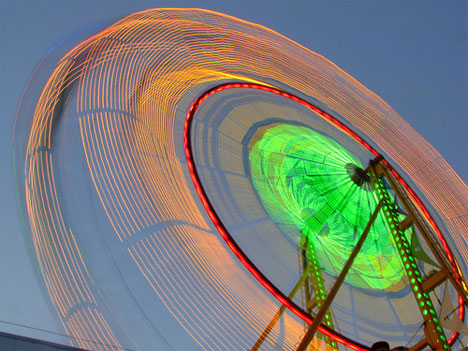
The interaction between light and blur is central to producing visually appealing bokeh. When bright points—like streetlights, fairy lights, or sunlight filtering through leaves—are rendered out of focus, they become glowing orbs or shapes in the background. The quality and color of these highlights depend on the light source, lens characteristics, and camera settings.
For example, shooting at night or in low-light conditions with artificial lighting can result in dramatic bokeh effects, especially when using a wide aperture. The placement and intensity of light sources can also affect the mood of your image, ranging from dreamy and romantic to vibrant and energetic. For more on how different lighting conditions impact your photos, you might find the article on dynamic lighting in photography insightful.
Camera Settings for Creative Blur
Achieving beautiful bokeh and effective light rendering starts with the right camera settings. Here are some essential tips:
- Use a wide aperture: Select the lowest f-number available on your lens (e.g., f/1.8, f/2.0, or f/2.8) to maximize background blur.
- Increase subject separation: Position your subject far from the background to enhance the out-of-focus effect.
- Choose the right lens: Prime lenses with longer focal lengths (such as 85mm or 135mm) are known for producing smoother bokeh.
- Focus carefully: Ensure your subject is sharply in focus to make the blurred areas stand out.
- Experiment with light sources: Incorporate small, bright lights in the background for pronounced bokeh highlights.
Adjusting these parameters allows you to control the look and feel of your images, making them more visually engaging. For those interested in experimenting further, exploring shutter drag techniques can open up even more creative possibilities with motion and blur.
Types of Bokeh and Their Characteristics
Not all bokeh looks the same. The shape, smoothness, and texture of the blur are determined by your lens’s optical design and the aperture blades’ construction. Here are some common types:
- Circular bokeh: Produced by lenses with rounded aperture blades, resulting in soft, round highlights.
- Polygonal bokeh: Occurs when the aperture blades form a geometric shape, such as hexagons or octagons, visible in out-of-focus highlights.
- Swirly bokeh: Some vintage lenses create a swirling blur pattern, drawing the viewer’s eye toward the center of the image.
- Soap bubble bokeh: Certain specialty lenses render highlights with a distinct, bubble-like rim.
Each style has its own aesthetic appeal and can be used to convey different moods or artistic intentions. Understanding these variations helps you select the right equipment and settings for your creative vision.
Lighting Techniques to Enhance Bokeh
Effective use of lighting is crucial for producing captivating bokeh. Here are some practical techniques:
- Backlighting: Place a light source behind your subject to create glowing edges and enhance background blur.
- Fairy lights: String lights or small LEDs in the background can create a field of luminous bokeh balls.
- Natural light filtering: Shoot through foliage or textured glass to scatter light and produce interesting blur patterns.
- Colored gels: Add color to your light sources for vibrant, multi-hued bokeh effects.
The way you position and modify light sources has a direct impact on the mood and visual interest of your photos. For a deeper dive into the role of illumination in photography, check out this comprehensive overview of light’s importance in photography.

Common Challenges and Solutions
While creating beautiful blur and light effects is rewarding, photographers often encounter a few obstacles:
- Harsh or distracting bokeh: Some lenses produce busy or jagged blur that can detract from the subject. Switching to a lens with more aperture blades or a different optical design can help.
- Unwanted lens flare: Shooting directly into strong light sources can cause flare. Use a lens hood or adjust your angle to minimize this effect.
- Low light limitations: In dim environments, achieving a wide aperture may result in slow shutter speeds. Consider increasing ISO or using a tripod for stability.
- Color fringing: Some lenses introduce chromatic aberrations in out-of-focus areas. Post-processing software can often correct these artifacts.
Overcoming these challenges requires experimentation and familiarity with your gear. If you’re interested in how movement and blur interact, the article on capturing dynamic movement provides further insights.
Practical Applications and Creative Ideas
Mastering the art of understanding bokeh and light opens up a world of creative possibilities. Here are a few ways to incorporate these techniques into your photography:
- Portraits: Use a wide aperture to separate your subject from the background, creating a dreamy, professional look.
- Night scenes: Capture city lights or illuminated signs as glowing orbs in the background of your images.
- Nature photography: Blur foliage or flowers behind your main subject for a soft, painterly effect.
- Abstracts: Focus on patterns of light and color, letting shapes dissolve into pure blur for artistic compositions.
By experimenting with different lenses, lighting setups, and camera settings, you can develop your own signature style. For those interested in artificial illumination, the post on understanding artificial lighting is a valuable resource.
FAQ
What is the difference between bokeh and blur?
While both terms refer to out-of-focus areas in a photo, "bokeh" specifically describes the quality and aesthetic character of the blur, especially how highlights are rendered. "Blur" is a broader term that includes any area not in sharp focus, whether intentional or accidental.
Which lenses are best for creating beautiful bokeh?
Prime lenses with wide maximum apertures (such as 50mm f/1.8, 85mm f/1.4, or 135mm f/2) are commonly used for their ability to produce smooth, pleasing bokeh. The lens’s optical design and aperture blade shape also play a significant role.
How can I improve my use of light for better bokeh?
Positioning small, bright light sources in the background, shooting during golden hour, or using artificial lighting can enhance the appearance of bokeh. Experimenting with different angles and modifiers, such as reflectors or colored gels, can further refine your results.
This article contains affiliate links. We may earn a commission at no extra cost to you.
This article contains affiliate links. We may earn a commission at no extra cost to you.
This article contains affiliate links. We may earn a commission at no extra cost to you.
This article contains affiliate links. We may earn a commission at no extra cost to you.