

How to Shoot Motion Portraits
Capturing the energy and dynamism of a moving subject is a rewarding challenge for photographers. Learning how to shoot motion portraits opens up creative possibilities, allowing you to convey emotion, story, and atmosphere through your images. Whether you're working with dancers, athletes, or simply want to add a sense of movement to your portraiture, understanding the right techniques and settings is essential.
This guide will walk you through the essentials of creating compelling portraits that showcase movement. From camera settings to lighting choices and creative direction, you'll find practical advice to help you master this exciting style. For those interested in broader techniques for working with movement, consider reading about capturing dynamic movement for additional inspiration.
Understanding the Fundamentals of Motion Portraiture
Before diving into camera settings or lighting, it's important to understand what sets motion portraiture apart. Unlike traditional portraits, these images intentionally incorporate blur, streaks, or dynamic poses to suggest movement. The goal is to balance clarity with motion, ensuring the subject remains recognizable while the sense of action is preserved.
Key elements to consider include:
- Shutter speed: Controls how much movement is captured as blur.
- Lighting: Helps freeze or emphasize motion, depending on your setup.
- Direction: Guides the subject's movement and expression for the desired effect.
Mastering these basics will give you a strong foundation for more advanced techniques.
Choosing the Right Camera Settings for Dynamic Portraits
One of the most critical aspects of how to shoot motion portraits is selecting the appropriate camera settings. The interplay between shutter speed, aperture, and ISO will determine how much movement is captured and how much remains sharp.
- Shutter Speed: A slower shutter speed (such as 1/30s or 1/15s) introduces blur, perfect for showing movement. For partial blur—where the face is sharp but limbs are blurred—try 1/60s to 1/125s. Faster speeds (1/250s and above) freeze motion but may lose the sense of energy.
- Aperture: A wider aperture (lower f-number) lets in more light, which is helpful in low-light situations or when using faster shutter speeds. It also creates a shallow depth of field, isolating your subject from the background.
- ISO: Adjust ISO to compensate for light loss when using faster shutter speeds. Be mindful of noise at higher ISO values, especially in low-light environments.
Experiment with different combinations to find the right balance for your creative vision. For more on advanced shutter techniques, check out this article on experimenting with shutter drag.
Lighting Techniques for Motion in Portraits
Lighting plays a pivotal role in motion portraiture. The right setup can either freeze a subject or emphasize their movement. Here are some approaches to consider:
- Continuous Lighting: Provides a constant light source, making it easier to predict how movement will appear. Useful for both blur and freeze effects.
- Flash or Strobe: A quick burst of light can freeze a moving subject even at slower shutter speeds. This is especially effective when combined with ambient light to create a blend of sharpness and blur.
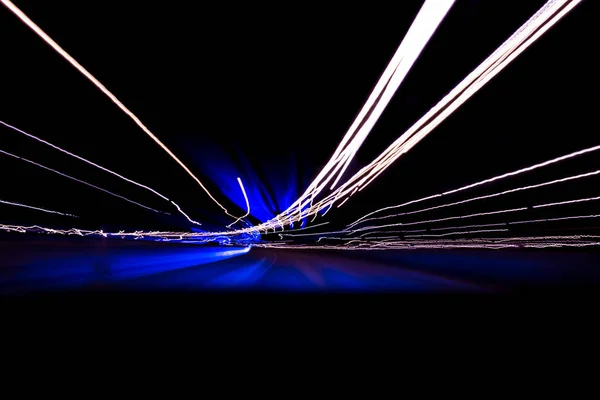
- Colored Gels: Adding colored gels to your lights can introduce creative effects, enhancing the sense of motion and mood.
For a deeper dive into how artificial lighting impacts moving subjects, see understanding artificial lighting and lighting for moving subjects.
Additionally, understanding how light affects composition in photography can help you make informed choices about your setup.
Directing Your Subject for Expressive Movement
Getting natural and expressive movement from your subject is as important as technical settings. Here are some tips for guiding your model:
- Encourage them to repeat simple actions, such as walking, spinning, or tossing their hair.
- Use music or props to inspire genuine movement and emotion.
- Communicate clearly about the desired effect—whether you want a sharp face with blurred limbs or an abstract, fully blurred image.
- Review shots together and adjust direction based on what works best.
Patience and collaboration are key. The more comfortable your subject feels, the more dynamic and authentic their movement will appear.

Creative Approaches to Conveying Motion
Once you have the basics down, experiment with creative techniques to make your portraits stand out:
- Panning: Move the camera along with your subject during exposure. This keeps the subject relatively sharp while blurring the background, emphasizing speed and direction.
- Multiple Exposures: Some cameras allow you to combine several exposures into one frame, creating a layered effect that shows different stages of movement.
- Intentional Camera Movement (ICM): Move the camera deliberately during exposure for abstract, painterly results.
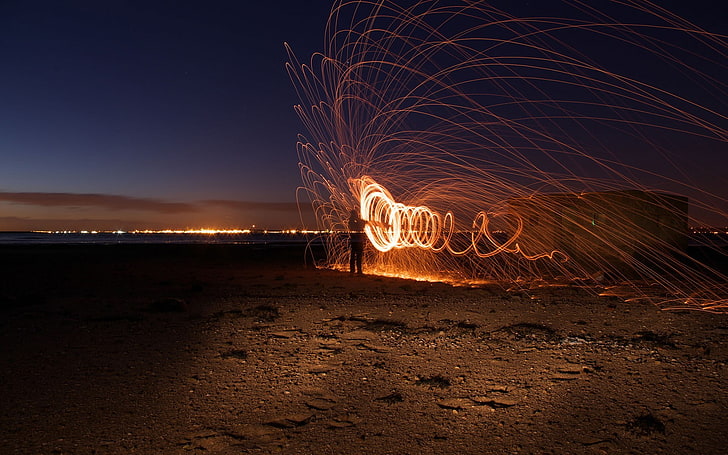
- Light Trails: Use handheld lights or sparklers to draw shapes around your subject during a long exposure.
For more inspiration on using lighting creatively, see dynamic lighting in photography.
Common Challenges and How to Overcome Them
Working with movement introduces new variables to your portrait sessions. Here are some common issues and solutions:
- Excessive Blur: If your subject is too blurry, increase your shutter speed or add more light to freeze motion.
- Focus Issues: Use continuous autofocus (AI Servo/AF-C) to track moving subjects. Pre-focus on a spot if the movement is predictable.
- Lighting Mismatches: Balance ambient and artificial light to avoid unwanted color casts or exposure problems.
- Unnatural Poses: Encourage relaxed, repeated movements rather than stiff, posed actions.
Practice and experimentation are the best ways to refine your technique and develop your own style.
FAQ: Motion Portrait Photography
What is the ideal shutter speed for capturing movement in portraits?
The ideal shutter speed depends on the effect you want. For subtle blur, try 1/60s to 1/125s. For more pronounced motion, go as slow as 1/15s. If you want to freeze action, use 1/250s or faster. Test different speeds to see what works best for your subject and lighting conditions.
How can I keep my subject’s face sharp while showing motion?
Use a combination of flash and ambient light. The flash will freeze the subject’s face, while the ambient exposure allows for motion blur in other parts of the image. Direct your subject to move their body or hair while keeping their face relatively still for the sharpest results.
Do I need special equipment for motion portraiture?
You don’t need specialized gear, but a camera with manual controls and a lens with a wide aperture will give you more flexibility. A tripod can help with panning or long exposures, and external lighting (like flashes or continuous lights) can expand your creative options.
By understanding the principles of how to shoot motion portraits, experimenting with settings, and guiding your subjects effectively, you can create images that are full of life and energy. Keep practicing, and don’t be afraid to push creative boundaries as you develop your own approach to this dynamic style of portraiture.
This article contains affiliate links. We may earn a commission at no extra cost to you.
This article contains affiliate links. We may earn a commission at no extra cost to you.
This article contains affiliate links. We may earn a commission at no extra cost to you.
This article contains affiliate links. We may earn a commission at no extra cost to you.