

Capturing Dynamic Movement
Photographing action and motion is both challenging and rewarding. Whether you’re freezing a dancer mid-leap, tracing the blur of city lights, or documenting sports, capturing dynamic movement requires a blend of technical skill and creative vision. Understanding how to convey energy, speed, and flow in a still image can elevate your photography and tell compelling stories.
In this guide, we’ll explore the essential techniques, camera settings, and lighting strategies for photographing motion. You’ll learn how to use shutter speed, anticipate action, and work with both natural and artificial light to create images that pulse with life. For those interested in more technical details, the article on motion photography camera settings offers an in-depth look at optimizing your gear for action shots.
Key Principles for Photographing Motion
To successfully depict movement, it’s important to understand the relationship between shutter speed, subject speed, and camera movement. These elements determine whether your image freezes the action or shows intentional blur for artistic effect.
- Shutter Speed: A fast shutter speed (such as 1/1000s) freezes rapid action, while a slower speed (like 1/30s) introduces motion blur. Experiment with different settings to achieve your desired look.
- Anticipation: Predicting when and where the action will occur helps you prepare your shot and capture the peak moment.
- Focus Tracking: Continuous autofocus (AI Servo/AF-C) is invaluable for keeping moving subjects sharp.
- Lighting: Adequate illumination is crucial. Fast shutter speeds require more light, so consider both natural and artificial sources.
For a deeper dive into how lighting impacts your results, see our article on dynamic lighting in photography.
Techniques for Conveying Motion
There are several creative approaches to capturing dynamic movement in your images. Each technique offers a unique way to express energy and motion:
Freezing Action
To freeze a fast-moving subject, use a high shutter speed and ensure your camera’s autofocus is set to track motion. This method is ideal for sports, wildlife, and dance photography, where clarity and sharpness are essential.
Introducing Motion Blur
Motion blur can add drama and a sense of speed. By using a slower shutter speed, you allow moving elements to blur while keeping the rest of the image sharp. This technique works well for subjects like cars, runners, or flowing water.

Panning for Emphasis
Panning involves moving your camera in sync with a moving subject while using a slower shutter speed. The result is a sharp subject against a blurred background, emphasizing speed and direction. Practice is key to mastering this technique, as timing and smooth camera movement are crucial.
Lighting Strategies for Action Shots
Lighting plays a pivotal role in capturing dynamic movement. The right illumination not only ensures proper exposure but also shapes the mood and clarity of your images.
Natural Light
Shooting outdoors or in well-lit environments can provide beautiful, even lighting. However, changing conditions and harsh shadows can present challenges. For tips on working with sunlight and ambient conditions, check out this comprehensive guide to natural light photography.
Artificial Lighting
When natural light is insufficient, flashes or continuous lights can help freeze motion or add creative effects. Understanding how to balance artificial and ambient light is essential. For more on this topic, see our article on understanding artificial lighting.
Light Direction and Quality
The angle and softness of your light source affect how movement is rendered. Side lighting can accentuate motion, while diffused light softens edges and reduces harsh shadows. Experiment with modifiers like softboxes or reflectors to control the look of your images.
Camera Settings for Motion Photography
Choosing the right camera settings is fundamental for photographing action. Here are some key adjustments to consider:
- Shutter Priority Mode (Tv/S): Allows you to select the shutter speed while the camera adjusts aperture for proper exposure.
- Continuous Shooting: Burst mode increases your chances of getting the perfect shot during fast action.
- ISO: Raising ISO can help maintain fast shutter speeds in low light, but be mindful of increased noise.
- Autofocus Mode: Use continuous or tracking autofocus to keep moving subjects sharp.
For a detailed breakdown of camera settings tailored to action photography, refer to our resource on motion photography camera settings.
Creative Ideas for Dynamic Images
Beyond technical mastery, creativity is key to making your images stand out. Here are a few ideas to inspire your next shoot:
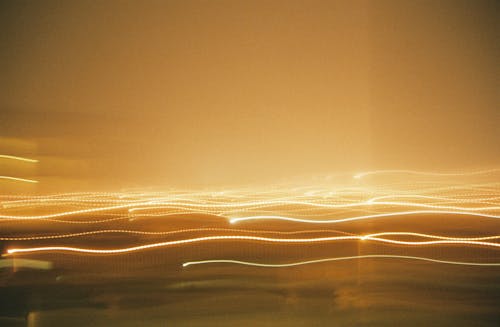
- Light Trails: Capture the path of moving lights at night using long exposures.
- Multiple Exposures: Combine several frames to show a sequence of movement in a single image.
- Reflections and Shadows: Use reflective surfaces or dramatic shadows to add depth and intrigue.
- Unusual Angles: Experiment with low or high perspectives to enhance the sense of motion.
Lighting can dramatically change the mood and clarity of these creative shots. For more insights, see our article on lighting for moving subjects.
Common Challenges and Solutions
Photographing movement comes with its own set of obstacles. Here are some frequent issues and tips for overcoming them:
- Motion Blur When Unwanted: Use a faster shutter speed or increase ISO to minimize blur.
- Missed Focus: Enable continuous autofocus and pre-focus on the area where action will occur.
- Exposure Problems: Use exposure compensation or manual mode to avoid under- or overexposed shots, especially in changing light.
- Lighting Limitations: Supplement natural light with flashes or continuous lights as needed. For guidance, see light metering explained.
FAQs
What shutter speed should I use to freeze fast action?
For most sports or rapid movement, a shutter speed of 1/1000s or faster is recommended. However, the exact speed depends on how fast your subject is moving and the effect you want to achieve. Experiment with different settings to find the right balance between sharpness and exposure.
How can I add creative blur to my motion photos?
To introduce artistic blur, use a slower shutter speed and either pan with your subject or keep the camera still while the subject moves. This technique can create a sense of speed and energy. Adjust your settings based on available light and the movement you want to capture.
Is artificial lighting necessary for photographing movement?
While natural light can be sufficient in many situations, artificial lighting becomes essential in low-light conditions or when you need to freeze very fast motion. Using flashes or continuous lights allows for greater control over exposure and the look of your images.
This article contains affiliate links. We may earn a commission at no extra cost to you.