

Motion Photography Camera Settings
Capturing movement in photography requires a thoughtful approach to camera controls. Whether you’re freezing a runner mid-stride or creating dreamy light trails on a city street, understanding the right motion photography camera settings is essential. This guide breaks down the technical choices behind dynamic images, helping you master the art of photographing motion with clarity and creativity.
Before diving into the specifics, it’s helpful to explore related creative techniques. For example, our article on creative exposure techniques offers additional inspiration for experimenting with light and movement in your shots.
Understanding the Fundamentals of Capturing Movement
To achieve striking results when photographing action, it’s crucial to grasp how your camera’s exposure triangle—shutter speed, aperture, and ISO—affects the way motion appears. Each setting interacts to either freeze movement or blur it, depending on your creative intent.
- Shutter speed is the most influential factor for motion. A fast shutter (like 1/1000s) can freeze a fast-moving subject, while a slow shutter (such as 1/10s or longer) creates blur, emphasizing the path of movement.
- Aperture controls depth of field and, in low-light situations, allows more light in when using faster shutter speeds.
- ISO adjusts your camera’s sensitivity to light. Higher ISO values help compensate for faster shutter speeds or smaller apertures, but can introduce noise.
Balancing these three elements is the foundation of every successful motion shot.
Choosing the Right Shutter Speed for Action Shots
Selecting the ideal shutter speed depends on the effect you want to achieve. If your goal is to freeze action—like a dancer leaping or a cyclist racing by—opt for shutter speeds of 1/500s or faster. For sports or wildlife, you may need to go even higher, up to 1/2000s, especially in bright conditions.
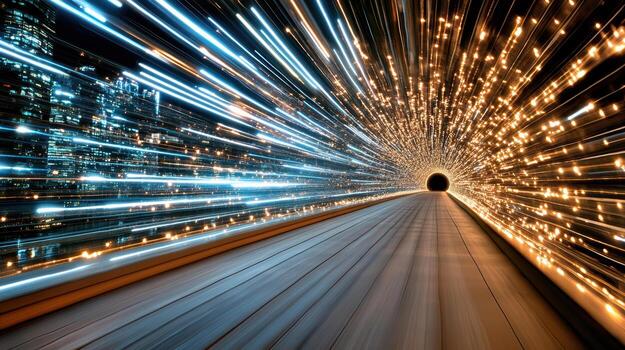
On the other hand, to convey the sense of movement, slower shutter speeds are key. For example, capturing car light trails at night or the flow of a waterfall often requires exposures from 1/10s up to several seconds. Using a tripod is essential to keep the rest of the scene sharp while the moving elements blur.
Balancing Aperture and ISO in Motion Photography
Once you’ve chosen your shutter speed, adjust the aperture and ISO to achieve a correct exposure. A wide aperture (low f-number like f/2.8) lets in more light, which is helpful when using fast shutter speeds in dim conditions. However, a wide aperture also results in a shallow depth of field, which may or may not suit your composition.
If you need both a fast shutter and a deeper depth of field (higher f-number), increase the ISO. Modern cameras handle higher ISO settings well, but be mindful of noise, especially in low-light environments.
Autofocus and Drive Modes for Moving Subjects
When photographing subjects in motion, autofocus performance is critical. Switch your camera to continuous autofocus mode (AI Servo for Canon, AF-C for Nikon/Sony) so it can track moving subjects. Pair this with a continuous or burst drive mode to capture a rapid sequence of images, increasing your chances of getting the perfect moment.
Some cameras offer subject tracking or eye detection, which can be especially useful for sports, wildlife, or street photography. Experiment with these features to see how they improve your results.
Creative Techniques for Expressive Motion Images
Beyond the technical basics, there are several creative approaches to capturing movement:
- Panning: Move your camera along with a moving subject while using a slower shutter speed (like 1/30s). This keeps the subject sharp while blurring the background, emphasizing speed.
- Intentional camera movement (ICM): Deliberately move your camera during a long exposure to create abstract, painterly effects.
- Light trails: Use long exposures at night to capture the paths of car headlights, neon signs, or even handheld lights.
If you’re interested in exploring more about light and movement, check out our guide to light and movement in city photography for practical examples and inspiration.

Lighting Considerations for Motion Shots
Lighting plays a significant role in motion images. Natural light can be unpredictable, especially during golden hour or at night. Using artificial sources, such as LED panels or flashes, can help you achieve the desired exposure and creative effects. For more on using available light, refer to this comprehensive natural light photography tutorial.
When working with artificial light, synchronize your flash with your shutter speed to avoid unwanted shadows or ghosting. Rear curtain sync, for example, can create interesting light trails behind moving subjects.
Recommended Settings for Common Motion Scenarios
| Scenario | Shutter Speed | Aperture | ISO | Notes |
|---|---|---|---|---|
| Sports (Daylight) | 1/1000s – 1/2000s | f/2.8 – f/5.6 | 100 – 400 | Freeze fast action, use burst mode |
| Light Trails (Night) | 1s – 30s | f/8 – f/16 | 100 – 400 | Tripod required, experiment with exposure length |
| Panning | 1/30s – 1/125s | f/8 | 100 – 800 | Follow subject’s motion smoothly |
| Waterfalls | 1/4s – 2s | f/11 – f/16 | 100 – 200 | Use ND filter in bright light |
Tips for Getting Sharper Motion Photos
- Stabilize your camera with a tripod or monopod, especially for long exposures.
- Use a remote shutter release or your camera’s timer to avoid vibrations.
- Enable image stabilization (if available) for handheld shots at slower shutter speeds.
- Pre-focus on the area where the action will occur for better accuracy.
For more ideas on creative uses of movement, you might enjoy our article on using motion in still life.
Common Mistakes and How to Avoid Them
Even experienced photographers can struggle with motion shots. Here are some pitfalls to watch for:
- Blurry images due to camera shake: Always use stabilization or a tripod for slow shutter speeds.
- Incorrect focus: Continuous autofocus and pre-focusing can help keep moving subjects sharp.
- Overexposed or underexposed shots: Check your histogram and adjust ISO, aperture, or shutter speed as needed.
- Not experimenting: Try different settings and review your results to learn what works best for each situation.
FAQ
What is the best shutter speed for photographing fast-moving subjects?
For most fast action, such as sports or wildlife, a shutter speed of 1/1000s or faster is recommended to freeze movement. Adjust based on the speed of your subject and available light.
How do I capture light trails in urban environments?
Set your camera to manual mode, use a tripod, and select a slow shutter speed (from 1 second up to 30 seconds or more). Use a small aperture (high f-number) and low ISO to avoid overexposure. Experiment with different exposure lengths for varied effects.
Should I use manual or automatic settings for motion photos?
Manual mode offers the most control, but shutter priority mode (Tv or S) is also effective. In shutter priority, you set the shutter speed and the camera adjusts aperture and ISO automatically. This is useful for quickly adapting to changing light or action.
What other creative techniques can I try for motion shots?
Explore panning, intentional camera movement, and combining flash with long exposures for unique results. For more inspiration, see our post on how to shoot moving lights.
This article contains affiliate links. We may earn a commission at no extra cost to you.