

Using Motion in Still Life
The traditional approach to still life photography often emphasizes calm, static compositions. However, introducing motion into these scenes can add a sense of energy, depth, and narrative that transforms the ordinary into something visually compelling. Whether you’re a seasoned photographer or just starting to experiment, understanding how to incorporate movement into your still life images opens up creative possibilities and helps your work stand out.
In this guide, we’ll explore practical ways to achieve dynamic effects, from intentional blur to light trails, and discuss how these techniques can enhance the storytelling power of your images. If you’re interested in exploring related topics, take a look at how to shoot moving lights for more inspiration on capturing movement in photography.
Why Add Motion to Still Life Photography?
Adding movement to a static scene challenges the viewer’s expectations and can evoke emotion or curiosity. By using motion in still life setups, you create a contrast between the expected stillness and the dynamic element, making your images more memorable. This technique is especially effective for storytelling, as it suggests the passage of time or the presence of unseen forces.
Motion can be introduced in various ways, such as moving objects, manipulating light, or even altering the camera itself. The key is to experiment and find the approach that best suits your creative vision.
Techniques for Creating Dynamic Still Life Images
There are several methods to infuse movement into your still life compositions. Here are some of the most effective techniques:
1. Motion Blur for Artistic Impact
One of the most accessible ways to add movement is through intentional blur. By using a slower shutter speed, you can capture the path of a moving object, such as a falling fruit, pouring liquid, or swirling smoke. This approach not only adds visual interest but also guides the viewer’s eye through the image.
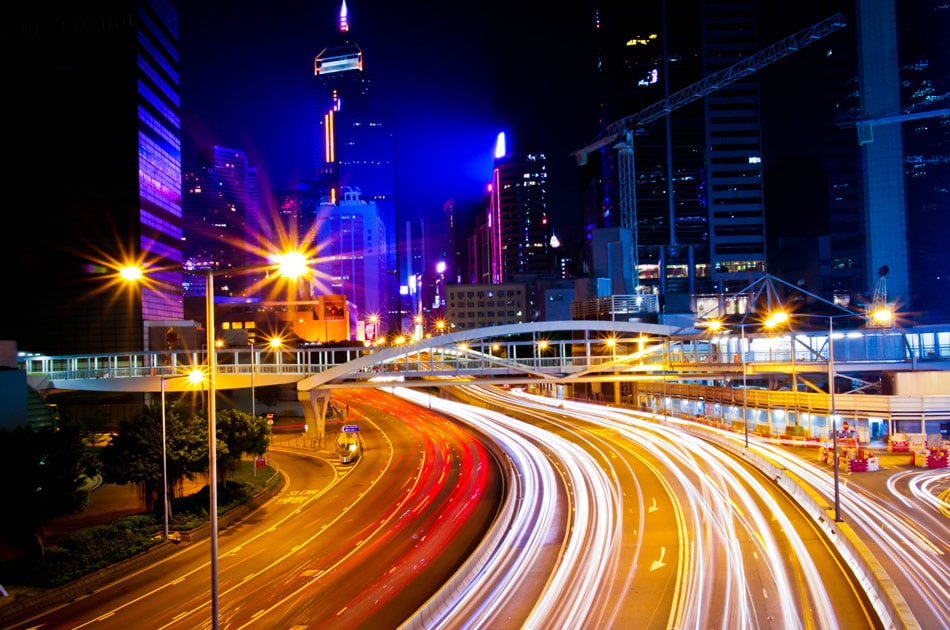
To achieve this effect, set your camera on a tripod to keep the background sharp while allowing the moving subject to blur. Experiment with shutter speeds between 1/10 and 1 second, depending on the speed of the object. Adjust your aperture and ISO to maintain proper exposure.
2. Light Trails and Painting with Light
Light trails are a striking way to introduce motion, especially in darker environments. By moving a light source—such as a flashlight, LED, or even a smartphone—through the frame during a long exposure, you can create glowing lines and patterns that interact with your still life subjects.
This technique, often called “light painting,” allows for endless creativity. You can outline objects, create abstract shapes, or highlight specific features. For more on this method, you might find light and movement in city photography useful, as it explores similar principles on a larger scale.

To start, darken your room and set your camera for a long exposure—anywhere from 2 to 30 seconds. Move your light source deliberately, and review your results to refine your technique. The unpredictability of light painting often leads to unique, one-of-a-kind images.
3. Capturing Natural Movement
Not all motion in still life setups needs to be artificial. You can use elements like wind, water, or gravity to create movement. For example, a gentle breeze can ruffle petals, or a stream of water can cascade over objects. These natural forces add authenticity and a sense of spontaneity to your work.
If you’re interested in exploring dramatic lighting effects alongside movement, consider reading about chiaroscuro in photography for inspiration on how light and shadow can enhance your compositions.
Lighting Considerations for Motion Effects
Lighting is crucial when introducing movement into still life photography. The right setup ensures that both the static and moving elements are rendered clearly and attractively. Continuous lighting is often preferred for motion blur and light trails, as it allows you to see how light interacts with your scene in real time.
For more in-depth guidance on lighting, check out this comprehensive article on understanding light. It covers the fundamentals of light quality, direction, and color, all of which are essential when working with movement.
Don’t overlook modifiers like softboxes or reflectors, which can help control shadows and highlights. Experiment with different lighting angles to emphasize the sense of motion, and consider using gels to add color for a more dramatic effect.
Compositional Tips for Dynamic Still Life
When incorporating movement, composition becomes even more important. Here are a few tips to keep in mind:
- Plan your focal point: Decide which part of the image should remain sharp and use focus stacking if necessary.
- Use leading lines: Motion naturally creates lines that can guide the viewer’s eye through the frame.
- Balance static and dynamic elements: Too much blur can overwhelm the scene, so combine still and moving subjects for visual harmony.
- Experiment with framing: Try unconventional angles or crops to emphasize the sense of movement.
For more creative ideas, you might enjoy exploring creative light shadows photography, which delves into the interplay of light, shadow, and composition.
Post-Processing Tips for Motion-Infused Still Life
Editing plays a significant role in enhancing the impact of motion within your images. Here are some post-processing suggestions:
- Emphasize contrast: Boosting contrast can help separate moving elements from the background.
- Selective sharpening: Apply sharpening only to static areas to maintain clarity where needed.
- Color grading: Use color adjustments to highlight the mood or direct attention to the motion.
- Layering techniques: Combine multiple exposures in software like Photoshop to blend sharp and blurred elements seamlessly.
Remember, subtlety is key—over-editing can detract from the natural energy of the scene.
Common Challenges and Solutions
Working with movement in still life setups presents unique challenges. Here’s how to address some common issues:
- Unwanted camera shake: Always use a tripod and, if possible, a remote shutter release or timer to prevent accidental blur.
- Overexposure during long exposures: Reduce ambient light, use a smaller aperture, or add neutral density filters to control exposure.
- Messy compositions: Simplify your scene and focus on one or two moving elements to avoid visual clutter.
With practice and patience, you’ll develop a workflow that suits your style and creative goals.
FAQ
How can I control the amount of motion blur in my still life photos?
The amount of blur depends on your shutter speed and the speed of the moving object. Use a slower shutter speed for more pronounced blur, and a faster one for subtle motion. Adjusting your lighting and ISO can help maintain proper exposure while experimenting with different settings.
What types of objects work best for introducing movement?
Objects that can be safely and easily moved—such as fabrics, liquids, smoke, or small props—are ideal. Items with interesting shapes or textures often create more visually engaging motion trails.
Do I need special equipment to capture movement in still life photography?
While a tripod is highly recommended for stability, you don’t need specialized gear. Most cameras with manual controls can achieve these effects. Continuous lighting and remote triggers can make the process easier, but creativity and experimentation are more important than equipment.
This article contains affiliate links. We may earn a commission at no extra cost to you.