
Neon Light Photography
Neon light photography has surged in popularity, captivating both amateur and professional photographers with its vibrant colors, dramatic contrasts, and urban energy. This style leverages the unique glow of neon signs and installations to create images that are visually striking and full of atmosphere. Whether you’re shooting city streets at night or experimenting with creative portraits, mastering this technique can add a bold, modern edge to your portfolio.
In this guide, we’ll explore essential tips, recommended gear, and creative approaches for working with neon illumination. You’ll also find practical advice on exposure, composition, and post-processing to help you achieve the best possible results. For those interested in expanding their skills, exploring creative exposure techniques can further enhance your neon-inspired images.
Understanding the Appeal of Neon Imagery
Photographs featuring neon lights stand out due to their intense color saturation and the way they interact with surrounding darkness. The glow from neon tubes creates a surreal, cinematic effect, often evoking a sense of nostalgia or futuristic ambiance. This makes neon scenes ideal for storytelling, portraiture, and urban exploration.
Neon lighting is unpredictable and dynamic. It can cast colorful highlights and shadows, reflect off wet streets, and create intriguing patterns. These characteristics challenge photographers to think creatively about exposure and composition, resulting in images that are both technically interesting and visually impactful.
Essential Equipment for Capturing Neon Scenes
While you don’t need the most expensive gear to get started, certain tools can make a significant difference when working with neon-lit environments:
- Camera with Manual Controls: The ability to adjust ISO, aperture, and shutter speed is crucial for managing exposure in low-light conditions.
- Fast Lenses: Prime lenses with wide apertures (f/1.4–f/2.8) allow more light to hit the sensor, making it easier to shoot handheld at night.
- Tripod: For long exposures or when you want to capture light trails without introducing blur, a sturdy tripod is invaluable.
- Remote Shutter Release: This helps prevent camera shake during long exposures, ensuring sharp results.
Accessories like lens hoods and microfiber cloths can also help manage reflections and keep your glass clean in urban settings.
Camera Settings for Neon Light Shots
Getting the exposure right is one of the biggest challenges in neon photography. Here are some recommended settings and adjustments:
- ISO: Start with a low ISO (100–400) to minimize noise, but don’t hesitate to increase it if you need a faster shutter speed.
- Aperture: Use a wide aperture to let in more light and create a shallow depth of field, which can help isolate your subject against glowing backgrounds.
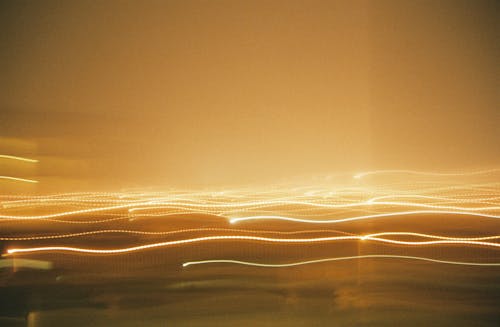
- Shutter Speed: Adjust according to the effect you want. Faster speeds freeze motion, while slower speeds can introduce creative blur or capture light trails.
- White Balance: Set your white balance manually to preserve the true colors of neon signs. Auto white balance may neutralize the vibrant hues you’re aiming to capture.
Experiment with bracketing exposures to ensure you capture both the highlights of the neon and the details in the shadows.

Creative Approaches to Neon-Inspired Photography
There are many ways to use neon lights as a creative tool in your work. Here are a few ideas to inspire your next shoot:
- Urban Portraits: Position your subject near a neon sign to bathe them in colored light. Experiment with angles to highlight facial features or create dramatic silhouettes.
- Reflections: Look for puddles, windows, or shiny surfaces that can reflect neon colors, adding depth and interest to your composition.
- Abstracts and Patterns: Focus on the shapes and lines created by neon tubes. Use a shallow depth of field to blur the background and emphasize the glowing forms.
- Motion and Light Trails: Incorporate movement by using slower shutter speeds. For more on this, see the guide on how to shoot moving lights for additional techniques.
Don’t be afraid to experiment with unconventional angles or compositions. Neon environments are perfect for pushing creative boundaries.
Post-Processing Tips for Neon Photos
Editing plays a significant role in enhancing the impact of neon images. Here are some post-processing tips:
- Boost Vibrance and Saturation: Carefully increase these settings to make neon colors pop, but avoid overdoing it to maintain a natural look.
- Adjust Contrast: Enhance the separation between the bright neon and the dark surroundings for a more dramatic effect.
- Reduce Noise: Use noise reduction tools, especially if you shot at higher ISOs.
- Selective Color Editing: Target specific hues to fine-tune the look of the neon without affecting the entire image.
Consider cropping or straightening your images to improve composition. Subtle vignettes can also help draw attention to the main subject.
Common Challenges and How to Overcome Them
Shooting with neon lights presents unique obstacles. Here’s how to address some of the most frequent issues:
- Overexposed Highlights: Neon tubes are extremely bright compared to their surroundings. Use your camera’s histogram to avoid blown-out highlights and bracket exposures if necessary.
- Color Casts: Neon can introduce strong color casts on skin or other surfaces. Adjust white balance in-camera or correct in post-processing.
- Focus Difficulties: Autofocus systems may struggle in low light. Switch to manual focus or use focus peaking if your camera supports it.
- Lens Flares and Reflections: Minimize unwanted flares by using lens hoods and cleaning your lens regularly. Sometimes, flares can be used creatively for artistic effect.
For more on working with light and movement, the article on light and movement in city photography offers additional insights.
Lighting Principles for Neon Shoots
Understanding the fundamentals of lighting will help you make the most of neon environments. The interplay between artificial light sources and ambient darkness is crucial for creating mood and depth. For a deeper dive into lighting theory, check out this comprehensive explanation of the importance of light in photography.
Experiment with positioning your subject at varying distances from the neon source to control the intensity and spread of colored light. Balancing the exposure between the sign and your subject is key to achieving professional-looking results.
Frequently Asked Questions
What camera settings work best for neon-lit scenes?
Start with a low ISO to reduce noise, a wide aperture to let in more light, and adjust your shutter speed based on whether you want to freeze motion or capture light trails. Manual white balance helps preserve the true colors of neon signs.
How can I avoid overexposing neon lights in my photos?
Use your camera’s histogram to monitor exposure and bracket your shots if needed. Underexposing slightly can help retain detail in the brightest areas, which you can recover in post-processing.
What are some creative ideas for using neon lights in portraits?
Try positioning your subject close to a neon sign for dramatic colored lighting. Use reflections in windows or puddles, and experiment with different angles to create unique compositions. Combining neon with motion blur or double exposures can add an artistic touch.
Neon light photography offers endless creative opportunities for photographers willing to experiment with color, exposure, and composition. With the right techniques and a willingness to explore, you can create images that are bold, modern, and full of energy.
This article contains affiliate links. We may earn a commission at no extra cost to you.