

Creative Exposure Techniques
Mastering creative exposure techniques is essential for photographers who want to move beyond standard snapshots and craft images with impact. By intentionally controlling how light interacts with your camera’s sensor, you can introduce motion, drama, and emotion into your photos. Whether you’re a beginner exploring manual settings or an experienced shooter looking to expand your toolkit, understanding exposure opens up a world of visual possibilities.
This guide explores practical methods for manipulating exposure, including long and short shutter speeds, light painting, and intentional blur. We’ll also connect you to related topics such as using motion in still life and how to capture dynamic light in urban settings. Let’s dive into the techniques that can transform ordinary scenes into extraordinary photographs.
Understanding the Basics of Exposure
Before experimenting with advanced methods, it’s important to grasp the three main elements of exposure: shutter speed, aperture, and ISO. These settings control how much light reaches your camera’s sensor and how your final image looks.
- Shutter Speed: Determines how long the sensor is exposed to light. Slow speeds create blur and trails; fast speeds freeze action.
- Aperture: The size of the lens opening. A wide aperture (small f-number) lets in more light and creates a shallow depth of field.
- ISO: The sensor’s sensitivity to light. Higher ISO can brighten images in low light but may introduce noise.
Combining these settings in different ways forms the foundation for all creative exposure techniques.
Long Exposure for Dramatic Effects
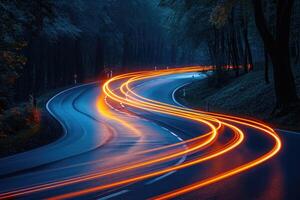
Long exposure photography involves using slow shutter speeds to capture movement over time. This approach is popular for creating dreamy water effects, smooth clouds, and light trails from moving vehicles. By keeping the shutter open for several seconds or even minutes, you can record motion that’s invisible to the naked eye.
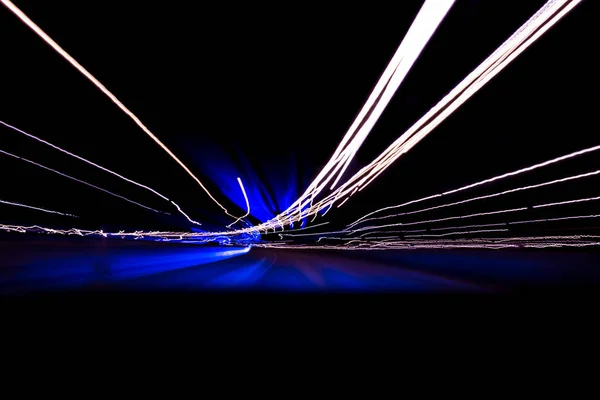
To achieve these results, use a tripod to prevent camera shake. Set your camera to manual or shutter priority mode, and experiment with exposures ranging from one second to several minutes. Neutral density (ND) filters can help reduce the amount of light entering the lens, allowing for longer exposures even in daylight.
For more inspiration on capturing movement, check out tips on how to shoot moving lights for creative cityscapes and light painting.
Short Exposure for Freezing Action
While long exposures emphasize movement, short exposures do the opposite—they freeze fast-moving subjects with crisp detail. This is ideal for sports, wildlife, or any scene where you want to capture a split-second moment. Use a fast shutter speed (such as 1/1000s or faster) and adjust your aperture and ISO to maintain proper brightness.
Short exposure is also useful when photographing in bright conditions or when you want to eliminate motion blur. Combining this approach with burst mode can help you capture the perfect instant, especially in unpredictable situations.
For more on balancing light and movement, explore light and movement in city photography to see how exposure choices affect urban scenes.
Light Painting and Intentional Blur
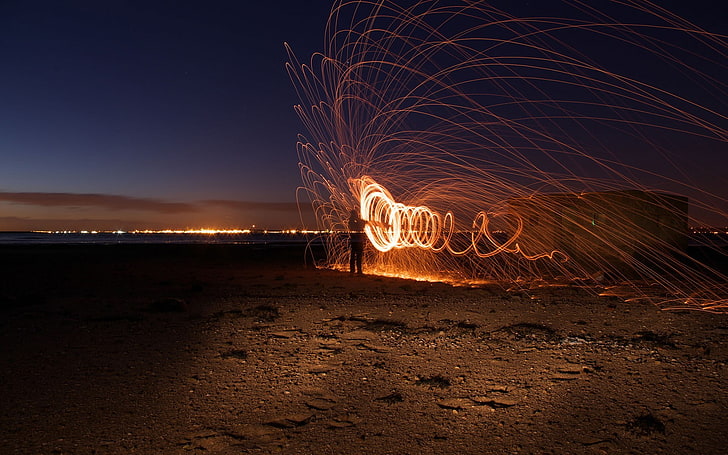
Light painting is a playful and artistic way to use creative exposure techniques. By moving a light source (such as a flashlight or glow stick) during a long exposure, you can “draw” patterns, shapes, or even words in mid-air. The camera records the path of the light, resulting in unique and colorful images.
Intentional camera movement (ICM) is another technique that involves moving the camera during a long exposure. This can create abstract images with streaks, swirls, or painterly effects. Try panning horizontally, rotating, or shaking the camera gently to see how the results change.
Experimenting with these methods can lead to surprising and expressive photos. For more ideas on manipulating light and shadow, visit our article on creative light shadows photography.
Combining Exposure with Composition
Exposure settings don’t exist in isolation—they interact with your subject, composition, and lighting conditions. Consider how the direction and quality of light affect your scene. For example, backlighting can create silhouettes, while side lighting emphasizes texture and depth.
Using exposure creatively can help you tell a story or guide the viewer’s eye. Try underexposing to add mood or overexposing for a high-key, ethereal look. Don’t be afraid to break the rules; sometimes the most memorable images come from experimentation.
If you want to deepen your understanding of how light shapes your photos, check out this lesson on how light affects photography for practical advice and visual examples.
Tips for Getting Started with Advanced Exposure
- Always use a tripod for long exposures to avoid unwanted blur.
- Use a remote shutter release or timer to minimize camera shake.
- Experiment with different light sources—LEDs, sparklers, or even your phone flashlight.
- Review your images on the camera’s screen and adjust settings as needed.
- Practice in low-light environments to see the full effect of slow shutter speeds.
- Don’t forget to reset your settings after experimenting, especially if you switch back to everyday photography.
As you gain confidence, you’ll discover your own style and favorite techniques. The key is to keep experimenting and learning from each shot.
Frequently Asked Questions
What equipment do I need for creative exposure photography?
At minimum, you’ll need a camera with manual controls and a sturdy tripod. Optional tools include ND filters for daytime long exposures, a remote shutter release, and various light sources for painting or effects. A basic kit is enough to start exploring most techniques.
How do I avoid overexposure or underexposure?
Monitor your camera’s histogram and use exposure compensation if needed. Bracketing (taking multiple shots at different exposures) can help ensure you capture the best version. Practice helps you learn how different settings interact in various lighting conditions.
Can I use these techniques with a smartphone?
Many modern smartphones offer manual controls or dedicated long exposure modes. While you may have less flexibility than with a DSLR or mirrorless camera, you can still experiment with slow shutter apps, light trails, and intentional blur using a phone and a tripod.
Conclusion
Exploring creative exposure techniques is a rewarding way to expand your photographic skills and develop a unique visual voice. By understanding how to control light and time, you can create images that stand out and tell compelling stories. For further reading on lighting styles, see our guide to broad lighting vs short lighting and continue experimenting with new ideas every time you shoot.
This article contains affiliate links. We may earn a commission at no extra cost to you.