

Dynamic Lighting in Photography
Dynamic lighting in photography is a powerful tool that can transform ordinary scenes into visually compelling images. By understanding how to manipulate light and shadow, photographers can add depth, drama, and emotion to their work. Whether you’re shooting portraits, landscapes, or urban environments, mastering the art of dynamic illumination opens up creative possibilities and helps your photos stand out.
In this guide, we’ll explore the fundamentals of working with varied lighting, practical techniques for achieving striking results, and tips for adapting to different environments. If you’re interested in exploring related topics, you might also find value in our article on light metering explained, which covers how to measure and balance light for optimal exposure.
Understanding the Role of Dynamic Lighting
Lighting is one of the most critical elements in photography. While flat or even illumination can be useful, it often lacks the visual interest that comes with more complex lighting arrangements. Dynamic lighting refers to scenes where there is a noticeable range between highlights and shadows, creating a sense of movement, energy, or mood. This can be achieved naturally, such as during golden hour or in cityscapes at night, or artificially using strobes, LEDs, or reflectors.
Photographers often seek out or create situations where light interacts with their subject in unique ways. For example, shooting through windows, using backlighting, or capturing the interplay of neon signs in urban settings can all produce images with a strong sense of atmosphere. For those interested in experimenting further, our resource on neon light photography dives into creative uses of colored and artificial light sources.
Techniques for Creating Impactful Images
There are several practical methods for introducing dynamic lighting into your photography:
- Backlighting: Placing the main light source behind your subject can create silhouettes, rim lighting, or dramatic separation from the background.
- Side Lighting: Using light from the side emphasizes texture and form, making it ideal for portraits or still life.
- Mixed Light Sources: Combining natural and artificial lights, or lights of different color temperatures, adds complexity and mood.
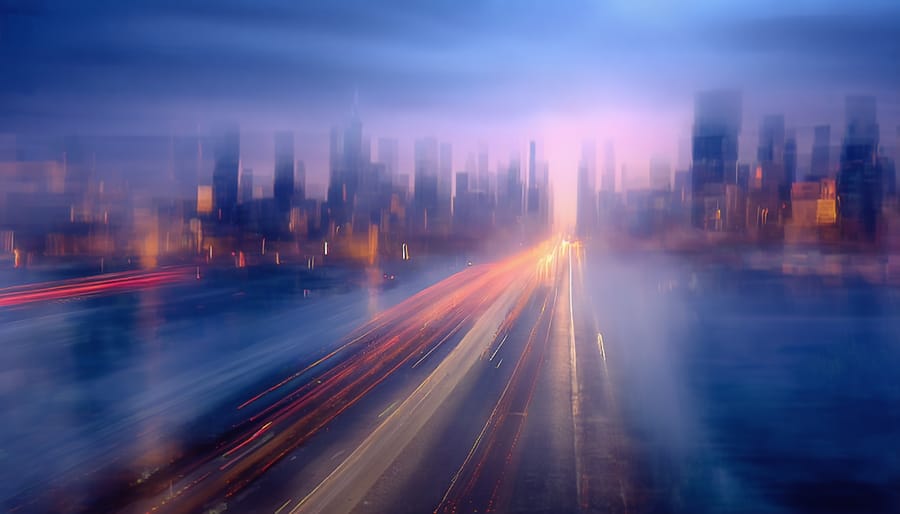
- Motion and Long Exposure: Capturing moving lights, such as car trails or handheld LEDs, introduces a sense of energy and flow.
Experimenting with these techniques can help you develop your own style and better understand how light shapes the narrative of an image. If you’re interested in more advanced methods, our article on creative exposure techniques offers additional insights into manipulating camera settings for unique lighting effects.
Adapting to Different Environments
One of the challenges of working with dynamic lighting is adapting to the unique qualities of each shooting environment. Here are some tips for common scenarios:
- Outdoor Scenes: Use the changing position of the sun to your advantage. Early morning and late afternoon provide softer, angled light that enhances textures and depth.
- Urban Night Photography: Take advantage of artificial sources like street lamps, neon signs, and car headlights. These can create vibrant contrasts and interesting color casts.
- Indoor Shoots: Experiment with window light, lamps, and off-camera flashes. Modifiers such as diffusers or reflectors can help control the intensity and direction of light.
For those looking to refine their camera settings for moving subjects or changing light, our post on motion photography camera settings provides practical advice on shutter speed, ISO, and aperture adjustments.
Essential Equipment for Dynamic Lighting
While natural light can be a fantastic resource, having the right gear expands your creative options. Common tools include:
- Portable LED panels for adjustable, continuous light.
- External flashes or strobes for powerful, directional bursts.
- Light modifiers such as softboxes, umbrellas, and reflectors to shape and soften illumination.
- Colored gels to add mood or correct color temperature mismatches.
Investing in quality lighting equipment can make a significant difference, especially when shooting in low-light or high-contrast situations. For those ready to upgrade, consider exploring options like those available through the latest photography lighting kits.

Balancing Exposure and Contrast
Managing exposure is crucial when dealing with scenes that have a wide range of brightness. Here are a few strategies:
- Use spot metering to expose for the most important part of your frame, such as a subject’s face.
- Bracket exposures and blend images in post-processing to retain detail in both highlights and shadows.
- Shoot in RAW format to maximize your ability to recover details during editing.
Understanding how light interacts with your subject is essential. For a deeper dive, check out this in-depth explanation of how light interacts with photographic subjects.
Creative Applications and Inspiration
Dynamic lighting isn’t limited to a single genre. It’s used by portrait photographers to sculpt faces, by landscape photographers to highlight natural features, and by urban shooters to capture the energy of a city at night. Experimenting with different sources and directions of light can help you find your unique voice as a photographer.
For those interested in blending movement and light, our article on using motion in still life explores creative ways to add dynamism to otherwise static scenes.
Frequently Asked Questions
What is dynamic lighting and why is it important in photography?
Dynamic lighting refers to the use of varied light intensities, directions, and colors within a scene. It’s important because it adds depth, contrast, and visual interest, making photographs more engaging and expressive.
How can I achieve dramatic lighting effects without expensive equipment?
You can use natural light sources like the sun, windows, or streetlights creatively. Reflectors, household lamps, and even white poster boards can help shape and bounce light. Experimenting with available resources often leads to unique results.
What camera settings work best for scenes with strong contrast?
For high-contrast scenes, try using spot or center-weighted metering, shoot in RAW, and consider bracketing exposures. Adjusting ISO, aperture, and shutter speed to suit the lighting conditions will help you capture detail in both highlights and shadows.
This article contains affiliate links. We may earn a commission at no extra cost to you.