

Using Motion for Storytelling
Motion is a powerful visual tool that can transform static images and videos into compelling narratives. Whether you’re a photographer, filmmaker, or digital creator, using motion for storytelling helps you convey emotion, energy, and context in ways that still frames alone cannot. By thoughtfully incorporating movement, you can guide your audience’s attention, evoke feelings, and add depth to your creative projects.
This article explores how to harness motion to enhance your stories, from the basics of capturing movement to advanced techniques that bring images and scenes to life. We’ll discuss practical tips, creative approaches, and technical considerations to help you make the most of motion in your visual storytelling.
For those interested in expanding their skills, learning about how to shoot motion portraits can provide additional insights into blending movement and portraiture for expressive results.
Why Movement Matters in Visual Storytelling
Integrating motion into your creative work does more than add visual interest. It allows you to:
- Direct the viewer’s eye through a scene or composition.
- Convey emotion by capturing gestures, expressions, or dynamic actions.
- Show the passage of time or transformation within a story.
- Enhance realism and immersion, making scenes feel more authentic.
Whether you’re photographing a bustling city street, filming a dance sequence, or creating animated graphics, movement helps you communicate ideas that resonate with your audience.
Techniques for Capturing Dynamic Scenes
There are several ways to incorporate movement into your visuals. Here are some popular techniques:
Motion Blur for Dramatic Effect
Motion blur is a classic method for suggesting speed and energy. By using slower shutter speeds, you can capture the path of moving subjects, such as cars, people, or flowing water. This technique is especially effective for emphasizing action or creating a sense of chaos and excitement.
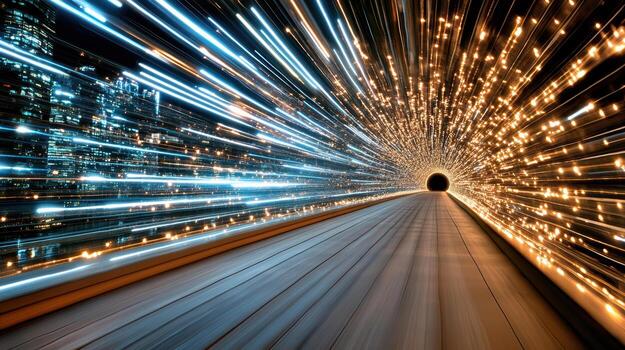
To master this approach, experiment with different exposure times and camera movements. For more inspiration, see our guide on experimenting with shutter drag for creative effects.
Freezing Action for Clarity
Sometimes, the goal is to capture a split-second moment with perfect sharpness. Fast shutter speeds can freeze motion, highlighting details that the naked eye might miss—like a dancer mid-leap or a droplet of water suspended in air. This technique is ideal for sports, wildlife, and other fast-paced subjects where clarity is essential.
Implying Movement with Composition
Even in still images, you can suggest motion through composition. Leading lines, repeated patterns, and directional lighting can all guide the viewer’s gaze and create a sense of flow. Placing your subject off-center or capturing them mid-action adds energy and anticipation to your visuals.
Lighting’s Role in Motion-Based Narratives
Lighting is a crucial element when working with movement. The right lighting setup can accentuate motion blur, add drama, or freeze action with crisp detail. For beginners, understanding the basics of lighting is key to successful motion photography. You can learn more about this topic in the article on dynamic lighting in photography.
Additionally, exploring resources like photography lighting for beginners can help you choose the right equipment and techniques for your creative projects.
Creative Approaches to Using Motion for Storytelling
Beyond technical execution, creativity plays a major role in how you use movement to tell stories. Here are a few ideas to inspire your next project:
- Layered movement: Combine foreground and background motion for a multidimensional effect.
- Intentional camera movement: Move your camera during exposure to create abstract or painterly images.
- Sequential storytelling: Use a series of images or video clips to show progression, transformation, or cause and effect.
- Contrast stillness and motion: Place a stationary subject against a moving background, or vice versa, to highlight differences and draw attention.
Experimenting with these techniques can help you develop a unique visual style and communicate your message more effectively.

Common Challenges and How to Overcome Them
Working with motion introduces a few unique challenges. Here are some common issues and tips for addressing them:
- Unwanted blur: Use a tripod or image stabilization to reduce camera shake when you want sharp images.
- Lighting limitations: Low light can make it difficult to use fast shutter speeds. Consider adding artificial lighting or increasing your ISO.
- Focus accuracy: Moving subjects can be hard to keep in focus. Use continuous autofocus modes and anticipate your subject’s path.
- Overcrowded compositions: Too much movement can overwhelm the viewer. Simplify your scene and use negative space to highlight the main action.
For more on managing lighting in complex scenes, check out our article on understanding artificial lighting.
Integrating Motion in Different Storytelling Mediums
The principles of movement apply across a variety of mediums:
- Photography: Use shutter speed, panning, and creative lighting to capture or imply motion.
- Video: Combine camera movement, subject movement, and editing techniques like slow motion or time-lapse for dynamic scenes.
- Animation and graphics: Animate elements to guide attention and illustrate change or emotion.
By adapting your approach to the medium, you can maximize the impact of movement in your storytelling.
Tips for Beginners: Getting Started with Motion
If you’re new to incorporating movement, start with these practical steps:
- Understand your camera settings: Learn how shutter speed, aperture, and ISO affect motion capture.
- Plan your shots: Visualize the story you want to tell and decide how motion will support it.
- Experiment with different techniques: Try both freezing and blurring action to see what works best for your narrative.
- Review and refine: Analyze your results and adjust your approach based on what you learn.
For more advanced advice, our guide on capturing dynamic movement offers deeper insights into working with fast-paced scenes.
FAQ
What equipment is essential for capturing movement in photography?
While you can start with any camera, a model that allows manual control over shutter speed is ideal. A sturdy tripod helps prevent unwanted blur, and fast lenses or external lighting can improve results in low light. For advanced techniques, consider using remote triggers or motion sensors.
How can I use motion to create emotion in my stories?
Movement can evoke excitement, tension, or calm depending on how it’s used. Fast, chaotic motion often suggests energy or urgency, while slow, flowing movement can feel peaceful or contemplative. Consider the mood you want to convey and adjust your technique accordingly.
Are there any post-processing tips for enhancing motion effects?
Editing software can help emphasize movement by adjusting contrast, color, or sharpness. You can also use blur filters or composite multiple exposures for creative effects. However, capturing strong motion in-camera usually produces the most natural and impactful results.
This article contains affiliate links. We may earn a commission at no extra cost to you.
This article contains affiliate links. We may earn a commission at no extra cost to you.
This article contains affiliate links. We may earn a commission at no extra cost to you.
This article contains affiliate links. We may earn a commission at no extra cost to you.