

Creative Movement in Portraits
Portrait photography is often associated with stillness, but introducing creative movement in portraits can transform static images into dynamic works of art. By thoughtfully incorporating motion, photographers can convey emotion, energy, and narrative, resulting in images that feel alive and engaging. Whether you’re an experienced portrait artist or just beginning to experiment, understanding how to capture and control movement will open up new creative possibilities.
In this guide, we’ll explore practical techniques, lighting tips, and artistic approaches to help you add motion to your portrait work. You’ll also find useful resources, including insights on using light for visual rhythm, to enhance your understanding of how light and movement interact in photography.
Why Add Motion to Portrait Photography?
Introducing movement into portraiture goes beyond simply blurring a subject. It’s about using motion to tell a story, evoke a mood, or highlight a subject’s personality. Here are some reasons why photographers embrace this approach:
- Express Emotion: Movement can communicate joy, freedom, tension, or contemplation, making portraits more relatable and memorable.
- Create Visual Interest: Dynamic elements like flowing hair, swirling fabric, or intentional blur draw the viewer’s eye and add depth.
- Break the Mold: Traditional portraits can feel predictable. Adding motion allows for experimentation and personal expression.
- Showcase Context: Movement can connect the subject to their environment, whether it’s a dancer in motion or a city dweller amidst urban bustle.
Techniques for Capturing Dynamic Portraits
There are several effective ways to incorporate creative movement in portraits. The right technique depends on your vision, your subject, and the story you want to tell.
Intentional Motion Blur
Motion blur is a classic method for depicting movement. By using a slower shutter speed, you can capture the path of motion—whether it’s a dancer’s leap, a model’s twirl, or hair tossed in the wind. The key is to balance blur with clarity, keeping the face or focal point sharp while allowing other elements to move.
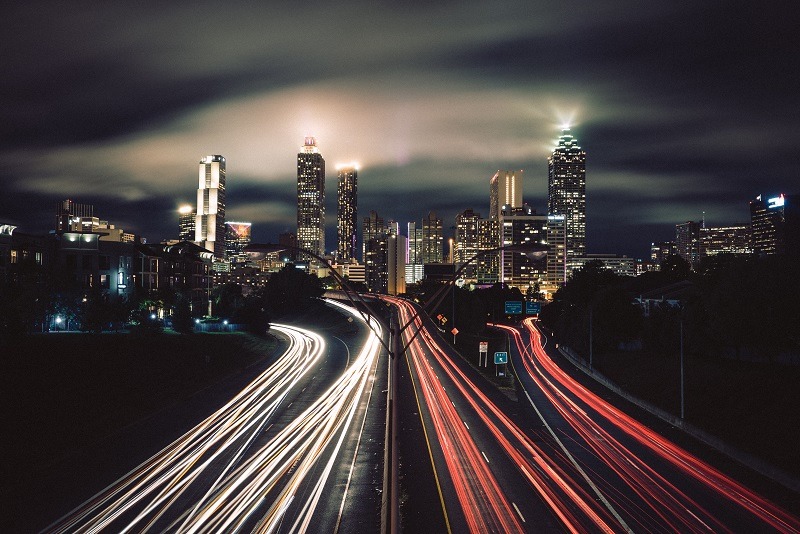
To achieve this effect:
- Set your camera to shutter priority or manual mode.
- Choose a shutter speed between 1/10 and 1/60 second, depending on the speed of movement.
- Ask your subject to move in a controlled way—such as spinning, jumping, or swaying.
- Use a tripod to keep the background steady, or pan with your subject for a different look.
For more on combining sharpness and blur, see the article on creative use of blur and sharpness.
Freezing Action with Flash
Sometimes you want to capture a split-second gesture or expression. Using flash, especially off-camera, allows you to freeze motion crisply, even in low light. This is ideal for energetic portraits—think dancers, athletes, or children at play.
- Use a fast shutter speed (1/200 second or faster).
- Position your flash to create dramatic shadows and highlight movement.
- Experiment with rear-curtain sync to combine blur and frozen action in a single frame.
Lighting is crucial for both blur and freeze techniques. If you’re new to lighting, check out this comprehensive guide to light in photography for practical tips and explanations.
Creative Approaches to Motion in Portraits
Beyond technical settings, the way you direct your subject and compose your shot can dramatically influence the impact of movement in your images.
Directing Your Subject
Encourage your subject to interact with their environment. Simple actions—walking, spinning, tossing hair, or playing with fabric—can introduce natural, expressive movement. The goal is to capture authentic gestures that reflect personality and mood.
- Use music to inspire rhythm and loosen up your subject.
- Give prompts rather than strict poses (“walk toward the camera slowly,” “let your scarf catch the wind”).
- Capture a series of images to find the most compelling moment.
Using the Environment
Background elements can also convey motion. Urban lights, passing cars, or wind-blown leaves add context and energy. Consider how the setting interacts with your subject’s movement for a more immersive portrait.

For inspiration on capturing movement in urban settings, you might enjoy reading about how to photograph car motion and how city lights can enhance your portraits.
Lighting Tips for Dynamic Portraits
Lighting plays a pivotal role in emphasizing motion. The direction, intensity, and quality of light can either accentuate or soften the sense of movement in your images.
- Backlighting: Placing your subject between the camera and a strong light source can create glowing edges and highlight movement, such as hair or fabric in motion.
- Side Lighting: This approach adds depth and drama, emphasizing contours and the flow of movement.
- Continuous Light: Using LED panels or natural light allows you to see the effect of movement in real time, making it easier to direct your subject.
- Experiment with Light Intensity: Adjusting the brightness can help control exposure when using slower shutter speeds. For more on this, see the guide to light intensity photography.
Common Challenges and How to Overcome Them
Working with motion in portraiture introduces unique challenges. Here’s how to address some of the most common issues:
- Unwanted Blur: If your subject’s face is too blurry, increase your shutter speed or ask them to move more slowly. You can also use a burst mode to capture several frames and select the sharpest one.
- Overexposure: Slow shutter speeds can let in too much light. Use a smaller aperture (higher f-number), lower ISO, or add a neutral density filter to maintain proper exposure.
- Stiff Poses: Encourage your subject to relax and move naturally. Play music or engage in conversation to create a comfortable atmosphere.
- Lighting Imbalance: When combining flash and ambient light, adjust flash power and camera settings to achieve a harmonious blend.
Inspiration and Next Steps
Adding movement to your portrait work is an ongoing creative journey. Study the work of photographers who specialize in dynamic imagery, experiment with different techniques, and don’t be afraid to break the rules. For those interested in exploring related topics, learning about using long exposure for water can provide additional ideas for incorporating motion into your photography.
Frequently Asked Questions
How do I balance sharpness and blur in a moving portrait?
To achieve a balance, use a slower shutter speed to introduce blur while keeping your subject’s face as still as possible. You can ask your subject to hold their pose for a moment while moving other elements, like hair or clothing. Using a tripod and focusing carefully also helps maintain sharpness where needed.
What camera settings work best for capturing movement?
Settings depend on the effect you want. For intentional blur, use shutter speeds between 1/10 and 1/60 second. To freeze action, use 1/200 second or faster. Adjust ISO and aperture to maintain correct exposure, and consider using burst mode to capture the perfect moment.
Can I create motion effects without special equipment?
Yes, you can use natural light and your camera’s manual settings to capture movement. Simple props like scarves or flowing fabric, and directing your subject to move, can create dynamic effects without the need for advanced gear. However, adding lighting equipment or a tripod can expand your creative options.
This article contains affiliate links. We may earn a commission at no extra cost to you.
This article contains affiliate links. We may earn a commission at no extra cost to you.
This article contains affiliate links. We may earn a commission at no extra cost to you.
This article contains affiliate links. We may earn a commission at no extra cost to you.
This article contains affiliate links. We may earn a commission at no extra cost to you.