

Understanding Light Diffusion
Understanding light diffusion is essential for anyone interested in photography, cinematography, interior design, or even everyday lighting. The way light interacts with surfaces and materials can dramatically change the mood, clarity, and quality of an image or a space. Whether you’re a beginner learning to control your camera or a professional seeking to refine your craft, grasping the principles behind how light is softened and spread can elevate your results.
Light diffusion refers to the process by which a concentrated light source is scattered, resulting in softer, more even illumination. This effect reduces harsh shadows, minimizes glare, and creates a more natural look. From softboxes in a studio to cloudy skies outdoors, diffused light is all around us, shaping how we see and capture the world.
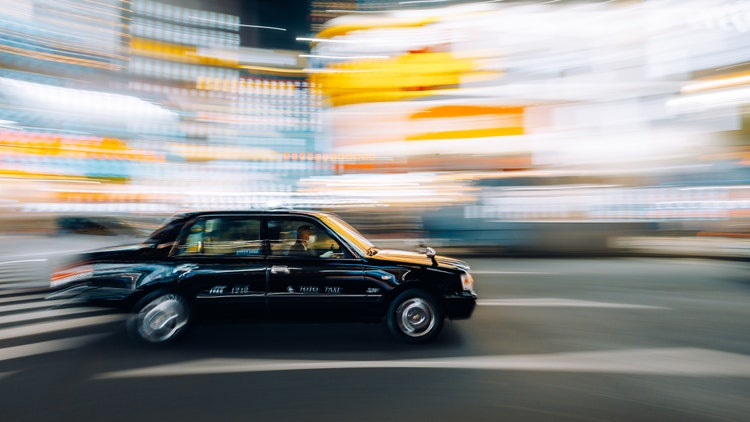
For those exploring creative lighting, techniques such as creative use of blur and sharpness can further enhance the impact of diffused light in your images. Integrating these methods with a solid understanding of diffusion will help you achieve more dynamic and visually appealing results.
What Is Light Diffusion?
At its core, light diffusion is the process of spreading out light rays as they pass through or reflect off a material. Instead of traveling in a straight line from the source, the light is scattered in multiple directions. This scattering effect softens the light, making it less intense and reducing the sharpness of shadows.
Common examples of diffusion include sunlight passing through clouds, lampshades softening a bulb’s glow, or professional photography equipment like softboxes and umbrellas. Each of these scenarios transforms a harsh, direct light into a gentle, enveloping illumination that is often more pleasing to the eye.
Why Diffused Light Matters in Photography
In photography, the quality of light can make or break an image. Direct, undiffused light often produces hard shadows, high contrast, and highlights that can be distracting or unflattering. By using diffusion, photographers can create a more balanced exposure, highlight textures, and bring out subtle details.
Diffused light is especially valuable for portraiture, product photography, and macro shots, where even illumination helps to flatter subjects and reveal intricate details. It’s also a key element in using light for visual rhythm, guiding the viewer’s eye through an image in a harmonious way.
How Light Diffusion Works
When light encounters a diffusing material—such as frosted glass, fabric, or plastic—it is scattered by the microscopic irregularities on the surface or within the medium. The degree of diffusion depends on the density, thickness, and texture of the material. Thicker or more opaque materials scatter light more, resulting in a softer effect.
There are two main types of diffusion:
- Transmission Diffusion: Light passes through a translucent material and is scattered in many directions. Examples include softboxes, diffusion gels, and sheer curtains.
- Reflection Diffusion: Light bounces off a matte or textured surface, spreading out as it reflects. White walls, foam boards, and reflectors with a matte finish are common tools for this purpose.

Common Tools and Materials for Softening Light
There are many ways to diffuse light, both in professional studios and in everyday environments. Some popular options include:
- Softboxes: Enclosures with a translucent front panel that spread light from a flash or continuous source.
- Umbrellas: Reflective or translucent umbrellas that scatter light, often used in portrait setups.
- Diffusion Panels: Large sheets of fabric or plastic placed between the light source and subject.
- Natural Diffusers: Overcast skies, shaded areas, or sheer curtains can all act as natural diffusers.
- DIY Solutions: White bedsheets, parchment paper, or frosted shower curtains can be repurposed to soften light in a pinch.
Choosing the right tool depends on the desired effect, the size of the subject, and the available space. Experimenting with different materials can help you find the perfect balance between softness and brightness.
Practical Applications of Diffused Light
Soft, even lighting is not only pleasing but also functional. Some practical uses include:
- Portrait Photography: Flattering skin tones and minimizing blemishes.
- Product Photography: Reducing harsh reflections and revealing true colors.
- Food Photography: Enhancing textures and making dishes appear more appetizing.
- Architectural and Interior Shots: Creating a welcoming atmosphere and avoiding blown-out highlights.
Diffused light is also crucial for videography, live streaming, and even everyday tasks like reading or working at a desk. By controlling how light is spread, you can create environments that are both functional and visually appealing.

Tips for Achieving the Best Diffused Lighting
To make the most of diffused light, consider the following tips:
- Increase the Size of the Light Source: The larger the source relative to your subject, the softer the light will appear.
- Move the Diffuser Closer: Placing the diffusion material closer to your subject increases the softness and reduces shadow contrast.
- Use Multiple Diffusers: Layering materials can further soften the effect, but be mindful of light loss.
- Control the Environment: Eliminate unwanted reflections and color casts by using neutral-colored diffusers and backgrounds.
- Balance Exposure: Adjust your camera settings to compensate for the reduced intensity of diffused light.
Experimentation is key. Try different setups, materials, and positions to discover what works best for your style and subject matter. For more on capturing dynamic scenes, see this guide on how to photograph car motion.
Light Diffusion Beyond Photography
While diffusion is a staple in photography and film, its principles are widely used in other fields. In architecture, diffused lighting creates comfortable, glare-free spaces. In product design, it enhances the appearance of materials and surfaces. Even in everyday life, understanding how to soften light can improve the ambiance of your home or workspace.
Learning about light and its properties can deepen your appreciation for visual arts and help you make more informed decisions, whether you’re setting up a studio or simply choosing a lampshade.
Further Learning and Resources
To expand your knowledge, consider exploring resources that delve into the importance of light in visual arts. For example, this article on the importance of light in photography provides valuable insights into how lighting choices impact your images.
Additionally, understanding related concepts such as light intensity photography and using long exposure for water can help you master the full spectrum of lighting techniques.
Frequently Asked Questions
What materials can I use at home to diffuse light?
Common household items like white bedsheets, parchment paper, frosted shower curtains, or even tracing paper can serve as effective diffusers. Just ensure the material is heat-resistant if used near a hot light source.
How does diffused light affect the mood of a photograph?
Soft, diffused light creates a gentle, flattering look that reduces harsh shadows and highlights. This can result in a more natural, inviting, and professional appearance, especially for portraits and still life photography.
Is there a difference between diffusion and reflection in lighting?
Yes. Diffusion involves scattering light as it passes through a translucent material, while reflection involves bouncing light off a surface. Both can soften light, but the methods and results differ depending on the materials and setup used.
This article contains affiliate links. We may earn a commission at no extra cost to you.
This article contains affiliate links. We may earn a commission at no extra cost to you.
This article contains affiliate links. We may earn a commission at no extra cost to you.
This article contains affiliate links. We may earn a commission at no extra cost to you.