

Movement Photography Composition
Movement photography composition is a dynamic approach to capturing energy, rhythm, and flow within a single frame. Unlike static images, these photographs convey a sense of motion, guiding the viewer’s eye and evoking emotion. Whether you’re photographing bustling city streets, athletes in action, or the subtle sway of nature, understanding how to compose for movement is essential for creating compelling images.
In this article, we’ll break down the core principles of arranging elements in a frame to highlight motion, discuss practical techniques, and offer tips for both beginners and experienced photographers. You’ll also find guidance on how to use light, blur, and sharpness to enhance the sense of action. For those interested in related topics, check out creative use of blur and sharpness for more inspiration on blending clarity and motion.
Understanding Motion in Photographic Composition
Capturing movement in photography is about more than just freezing or blurring action. It’s about arranging the elements so that the viewer can almost feel the energy within the scene. The direction, speed, and type of motion all influence how you compose your shot.
- Implied motion: Suggests movement through the position or posture of subjects, such as a runner mid-stride or a bird taking flight.
- Actual motion: Captured using slower shutter speeds to create blur, or panning to follow a moving subject while blurring the background.
- Visual flow: Uses lines, curves, and repeated patterns to guide the viewer’s eye along the path of movement.
Mastering these concepts allows you to create images that are not only visually interesting but also emotionally engaging.
Key Principles for Dynamic Arrangements
Effective movement photography composition relies on several foundational principles. Here are some of the most important:
Leading Lines and Directionality
Lines within the frame—such as roads, railings, or even shadows—can direct the viewer’s gaze and reinforce the sense of motion. Diagonal lines are especially powerful, as they naturally suggest movement and energy.
Space for Motion
When composing a shot, it’s important to leave space in front of your moving subject. This “lead room” gives the impression that the subject has somewhere to go, enhancing the feeling of action. Cropping too tightly can make the image feel cramped or static.
Balance and Tension
Dynamic compositions often play with balance and tension. Placing a moving subject off-center, or using the rule of thirds, can create a sense of anticipation. The viewer wonders where the subject is headed, which adds to the narrative of the image.
Techniques for Capturing Motion
There are several methods for emphasizing movement in your photographs. Each technique offers a different visual effect and mood.
Long Exposure and Light Trails
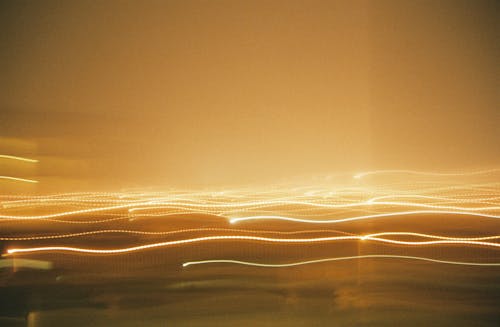
Using a slow shutter speed allows you to blur moving elements, such as cars, water, or people. This technique is especially effective at night, where lights become streaks and create a sense of speed and energy.

For more on how to use light creatively, see using light for visual rhythm, which explores how illumination can guide the eye and emphasize motion.
Panning for Subject Emphasis
Panning involves moving the camera along with a moving subject during exposure. This keeps the subject relatively sharp while blurring the background, isolating the subject and highlighting its motion. This technique works well for vehicles, cyclists, or runners. For a deeper dive into this method, visit how to photograph car motion.
Freezing Action with Fast Shutter Speeds
Sometimes, the goal is to capture a split-second moment with complete clarity. Using a fast shutter speed freezes the action, revealing details that are often missed by the naked eye—like the splash of a diver or the leap of a dancer.
Lighting and Its Role in Conveying Motion
Light is a powerful tool in movement photography composition. The direction, quality, and color of light can all influence how motion is perceived. Backlighting can create dramatic silhouettes, while side lighting emphasizes texture and form. Artificial lights, such as street lamps or neon signs, can add interest and help define the path of movement.
For more on how light interacts with moving subjects, check out this in-depth guide to light and photography.
Creative Approaches to Showcasing Motion
Beyond technical settings, creativity plays a key role in making your images stand out. Here are a few ideas to experiment with:
- Multiple exposures: Combine several frames into one to show different stages of movement.
- Intentional camera movement (ICM): Move the camera during a long exposure to create abstract effects.
- Reflections and shadows: Use surfaces like water or glass to double the sense of motion.
Experimenting with these techniques can help you develop a unique style and tell more compelling visual stories.
Common Challenges and Solutions
Photographing motion comes with its own set of challenges. Here’s how to address some of the most common issues:
- Unwanted blur: Use a tripod or increase shutter speed to minimize camera shake.
- Overexposure during long exposures: Use neutral density (ND) filters to reduce light entering the lens.
- Difficulty focusing on fast subjects: Switch to continuous autofocus (AI Servo/AF-C) and use burst mode to increase your chances of a sharp shot.
Don’t be afraid to experiment and review your results. Each scene may require different settings and approaches.
Enhancing Your Skills and Inspiration
Improving your ability to compose for movement takes time and practice. Study the work of photographers who specialize in action, sports, or street scenes. Analyze how they use lines, space, and light to convey energy. For more technical information on exposure and lighting, see light intensity photography and using long exposure for water for additional techniques and examples.
Frequently Asked Questions
What camera settings are best for capturing motion?
The ideal settings depend on the effect you want. For freezing action, use a fast shutter speed (1/500s or faster). For motion blur, slow your shutter speed (1/30s or slower) and use a tripod. Adjust ISO and aperture to balance exposure.
How do I choose the right location for dynamic photos?
Look for places with natural movement—busy streets, sports events, or flowing water. Consider the direction of light and background elements that can enhance or distract from the sense of motion.
Can I create movement effects without special equipment?
Yes. Even with basic gear, you can experiment with panning, slow shutter speeds, and creative framing. Accessories like tripods and ND filters expand your options but aren’t strictly necessary to start exploring motion in your photography.
This article contains affiliate links. We may earn a commission at no extra cost to you.
This article contains affiliate links. We may earn a commission at no extra cost to you.
This article contains affiliate links. We may earn a commission at no extra cost to you.
This article contains affiliate links. We may earn a commission at no extra cost to you.