

Directional Lighting Examples
Understanding directional lighting examples is essential for anyone interested in photography, cinematography, or interior design. Directional lighting refers to any light source that has a clear direction, casting distinct shadows and highlights. This type of lighting is widely used to create mood, emphasize textures, and guide the viewer’s eye to specific parts of a scene. Whether you’re capturing a dramatic portrait or designing a modern living space, knowing how to use directional light can make a significant difference in your results.
In this guide, we’ll explore a variety of real-world scenarios where directional lighting plays a key role. You’ll learn how different techniques can be applied to achieve visual impact, and discover practical tips for using light to enhance your creative projects. For those interested in exploring related concepts, check out using light for visual rhythm to see how lighting contributes to dynamic compositions.
What Is Directional Lighting?
Directional lighting is characterized by a focused beam that travels in a specific direction, creating well-defined highlights and shadows. Unlike ambient or diffused light, which spreads evenly, directional sources such as spotlights, sunlight, or headlights produce contrast and depth. This quality makes them invaluable for emphasizing form and structure in both photography and design.
Common sources of directional light include:
- Sunlight streaming through a window
- Studio spotlights or flash units
- Car headlights at night
- Street lamps casting shadows on the ground
By carefully positioning the light source, you can control the mood and narrative of your image or space. For a deeper dive into how light intensity affects your results, see the article on light intensity photography.
Photography: Practical Uses of Directional Light
In photography, directional lighting is a powerful tool for shaping the subject and creating atmosphere. Here are some practical scenarios where this technique shines:
- Portraits: Side lighting can sculpt facial features, adding drama and depth. Rembrandt lighting, for example, uses a single light at a 45-degree angle to produce a triangle of light on the cheek opposite the source.
- Still Life: A strong directional source highlights textures and contours, making objects appear more three-dimensional.
- Landscape: Early morning or late afternoon sunlight casts long shadows, emphasizing the terrain’s shape and details.
- Night Photography: Car headlights or street lamps create striking contrasts, guiding the viewer’s attention through the frame.
To see how motion and light interact, the guide on how to photograph car motion offers practical tips for capturing dynamic scenes with directional lighting.

Interior and Architectural Lighting Techniques
Directional lighting isn’t limited to photography. In interior and architectural design, it’s used to create ambiance, highlight features, and guide movement through a space. Here are some common applications:
- Accent Lighting: Spotlights or track lights draw attention to artwork, architectural details, or textured walls.
- Task Lighting: Desk lamps and under-cabinet lights provide focused illumination for reading, cooking, or working.
- Wall Grazing: Lights placed close to a wall emphasize textures like brick or stone by casting shadows across the surface.
- Outdoor Pathways: Low-level directional fixtures guide people safely along walkways and stairs.
When designing with directional light, consider the interplay of light and shadow. The placement, angle, and intensity of the source all influence the final effect. For creative inspiration, the article on creative use of blur and sharpness demonstrates how lighting can enhance visual storytelling.
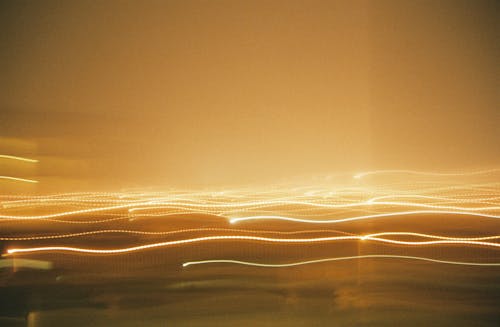
Artistic and Cinematic Approaches to Directional Illumination
Artists and filmmakers have long used directional lighting to evoke emotion and guide the viewer’s gaze. In cinema, techniques like chiaroscuro (the use of strong contrasts between light and dark) create tension and depth. In painting, a single light source can add drama and realism to a scene.
Some creative approaches include:
- Backlighting: Placing the light behind the subject creates silhouettes and glowing edges, often used for dramatic effect.
- Rim Lighting: A narrow beam from behind or the side outlines the subject, separating it from the background.
- Hard vs. Soft Directional Light: A bare bulb or focused spotlight creates hard shadows, while a softbox or diffuser produces gentler transitions.
Experimenting with these techniques can transform ordinary scenes into visually compelling images. For more on how light shapes composition, see this comprehensive guide to light in photography.
Tips for Using Directional Lighting in Your Projects
To make the most of directional light, consider these practical tips:
- Position with Purpose: Move your light source around the subject to see how shadows and highlights change. Small adjustments can have a big impact.
- Control Intensity: Use dimmers, gels, or diffusers to adjust the strength and color of your light.
- Watch for Unwanted Shadows: Directional light can create harsh or distracting shadows. Use reflectors or fill lights to soften them as needed.
- Mix with Ambient Light: Combining directional and ambient sources can add complexity and balance to your scene.
- Experiment with Angles: Try lighting from above, below, or behind to discover new effects and moods.
For those interested in long exposure techniques that leverage directional light, the article on using long exposure for water provides valuable insights.
FAQ: Common Questions About Directional Lighting
What is the difference between directional and ambient lighting?
Directional lighting emits a focused beam that creates clear shadows and highlights, while ambient lighting spreads evenly and reduces contrast. Directional sources are used to emphasize shapes and textures, whereas ambient light provides general illumination.
How can I achieve dramatic effects with directional light?
To create drama, use a single strong light source at an angle to your subject. This will produce deep shadows and bold highlights. Experiment with backlighting or side lighting, and adjust the distance and angle for different effects.
Are there any challenges when working with directional lighting?
One challenge is managing harsh shadows, which can be distracting or unflattering. Using reflectors, diffusers, or fill lights can help balance the scene. It’s also important to consider the color temperature and intensity of your light source for consistent results.
Mastering the use of directional light opens up creative possibilities in photography, design, and art. By studying real-world directional lighting examples and experimenting with different setups, you can develop a unique visual style and enhance your projects with depth and impact.
This article contains affiliate links. We may earn a commission at no extra cost to you.
This article contains affiliate links. We may earn a commission at no extra cost to you.
This article contains affiliate links. We may earn a commission at no extra cost to you.
This article contains affiliate links. We may earn a commission at no extra cost to you.