

Using Motion to Tell a Story
Motion is a powerful tool in visual storytelling, offering photographers and filmmakers a unique way to convey emotion, energy, and narrative. By carefully capturing or creating movement, you can guide the viewer’s eye, evoke a sense of time, and add life to otherwise static scenes. Whether you are working with still images or video, using motion to tell a story can transform your creative projects and make them more engaging.
Understanding how to harness movement—whether it’s the blur of a bustling city street, the sweep of a dancer’s arm, or the subtle shift of light—opens up new possibilities for expression. Techniques like panning, long exposure, and intentional blur all contribute to the visual language of motion. If you’re interested in exploring how light interacts with movement, you might enjoy reading about using light for visual rhythm, which complements the concepts discussed here.
Why Movement Matters in Visual Storytelling
Incorporating motion into your images or videos does more than just add visual interest. It can:
- Convey emotion and mood: A blurred figure might suggest haste or chaos, while a gentle flow of water can evoke calmness.
- Guide the viewer’s attention: Movement naturally draws the eye, helping you direct focus within the frame.
- Suggest the passage of time: Long exposures and motion blur can compress or expand time, adding narrative depth.
- Create dynamic compositions: Movement can break up symmetry, introduce rhythm, and add energy to your work.
Mastering these aspects allows you to craft more compelling stories and connect with your audience on a deeper level.
Techniques for Capturing Motion in Photography
There are several ways to integrate movement into your images. Here are some of the most effective methods for using motion to tell a story through photography:
Long Exposure and Motion Blur
Long exposure is a classic technique for capturing the flow of time in a single frame. By using a slow shutter speed, moving subjects become blurred, while stationary elements remain sharp. This contrast can highlight the energy of a scene or emphasize the tranquility of a setting.
For example, photographing a busy fairground at night with a slow shutter speed can transform spinning rides and moving crowds into colorful streaks and ghostly forms, suggesting excitement and activity.
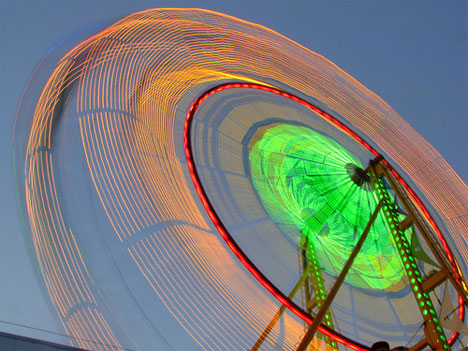
To achieve this effect, use a tripod to keep your camera steady, set your shutter speed to a few seconds or longer, and experiment with different exposures. Adjust your aperture and ISO to maintain proper exposure. If you want to explore further, the article on creative use of blur and sharpness offers additional insights into balancing movement and clarity.
Panning for Dynamic Action
Panning involves moving your camera in sync with a moving subject, such as a cyclist or a car. This technique keeps the subject relatively sharp while blurring the background, emphasizing speed and direction. Panning requires practice: use a moderate shutter speed (around 1/30 to 1/60 second), follow the subject smoothly, and press the shutter as you move. The result is a dynamic image that visually communicates motion.
If you’re interested in capturing vehicles in motion, you may find the guide on how to photograph car motion particularly useful for practical tips and creative ideas.
Intentional Camera Movement (ICM)
Intentional Camera Movement is a creative approach where you deliberately move the camera during a long exposure. This can produce abstract effects, such as streaks, swirls, or painterly textures. ICM is ideal for experimenting with landscapes, city lights, or even portraits, allowing you to interpret a scene in a more expressive way.
Storytelling with Motion in Urban and Night Photography
Urban environments offer endless opportunities for capturing movement. From the rush of traffic to the flow of pedestrians, cities are alive with energy. Night photography, in particular, benefits from long exposures, as artificial lights create trails and patterns that reveal the hidden rhythms of city life.

To capture these effects, set your camera on a tripod, choose a low ISO, and experiment with shutter speeds ranging from a few seconds to several minutes. The interplay of moving lights and static architecture can create images that feel vibrant and cinematic. For more inspiration on working with water and movement, see the article on using long exposure for water.
Lighting and Motion: Enhancing the Narrative
Lighting plays a crucial role in how movement is perceived. Directional light can accentuate motion blur, while backlighting can create dramatic silhouettes. Artificial lighting, such as strobes or LED panels, can freeze action or add color to moving subjects. Understanding how to use light effectively will help you tell richer stories with your images.
For a deeper dive into the relationship between light and movement, consider reading this comprehensive guide to understanding light. It covers how different lighting conditions affect the look and feel of motion in photography.
Additionally, exploring light intensity photography can help you refine your technique when working with varying light sources and moving subjects.
Tips for Effective Storytelling with Movement
- Plan your shot: Think about the story you want to tell and how motion will contribute to it.
- Experiment with different shutter speeds: Faster speeds freeze action, while slower speeds blur it.
- Use a tripod or stabilizer: This helps control unwanted camera shake, especially during long exposures.
- Pay attention to composition: Use leading lines, framing, and negative space to enhance the sense of movement.
- Review and adjust: Don’t be afraid to take multiple shots and tweak your settings until you achieve the desired effect.
Remember, the goal is not just to capture movement, but to use it intentionally to support your narrative. With practice, you’ll develop an intuitive sense for when and how to incorporate motion into your visual stories.
Frequently Asked Questions
How do I choose the right shutter speed for capturing motion?
The ideal shutter speed depends on the effect you want. To freeze fast action, use a high shutter speed (1/500 second or faster). For motion blur, try slower speeds (1/30 second or slower). Experimentation is key—adjust based on your subject and lighting conditions.
What equipment do I need for motion-based storytelling?
A camera with manual controls, a sturdy tripod, and a remote shutter release are helpful for long exposures. ND filters can also allow for slower shutter speeds in bright conditions. Good lighting equipment, like photography lighting, can enhance your results, especially in low light.
Can I use motion techniques in video as well as photography?
Absolutely. Motion is fundamental to video storytelling. Techniques like slow motion, time-lapse, and camera movement (such as tracking or panning shots) can all be used to add drama and narrative depth to your films.
By mastering the art of using motion to tell a story, you can elevate your creative work and engage your audience in new and exciting ways. Whether you’re capturing the rush of city life, the grace of a dancer, or the tranquility of flowing water, movement is a versatile tool for visual expression.
This article contains affiliate links. We may earn a commission at no extra cost to you.
This article contains affiliate links. We may earn a commission at no extra cost to you.
This article contains affiliate links. We may earn a commission at no extra cost to you.
This article contains affiliate links. We may earn a commission at no extra cost to you.