

Rim Lighting Techniques
Rim lighting techniques offer photographers and videographers a powerful way to separate subjects from their backgrounds, add drama, and highlight contours. By placing a light source behind or to the side of the subject, rim lighting creates a glowing edge or outline that emphasizes shape and depth. This approach is widely used in portrait, product, and action photography to achieve striking, professional results.
Understanding how to control and modify rim lighting is essential for anyone looking to enhance their visual storytelling. Whether you’re shooting in a studio or outdoors, mastering these methods can transform ordinary images into visually compelling works. For a deeper dive into how light direction shapes your images, see our article on direction of light in photography.
What Is Rim Lighting?
Rim lighting, sometimes called backlighting or edge lighting, involves positioning a light source so it hits the subject from behind or at a sharp angle. This creates a luminous outline around the subject’s edges, separating it from the background and adding dimension. The effect can be subtle or dramatic, depending on the intensity and placement of the light.
This method is especially effective for highlighting hair, shoulders, or the outline of objects. It’s commonly used in portraiture, sports, and product photography, as well as in cinematic scenes to convey mood and focus attention.
Essential Equipment for Edge Lighting
To achieve a clean rim effect, you don’t need a complex setup. However, certain tools can help you control and refine the results:
- Off-camera flashes or strobes – Provide directional, controllable light.
- Continuous LED lights – Allow you to see the effect in real time.
- Light modifiers – Softboxes, grids, and snoots help shape and direct the beam.
- Reflectors – Bounce additional light to fill shadows or soften the rim.
For those looking to upgrade their lighting gear, consider exploring options such as photography lighting kits that offer adjustable color temperatures and brightness.
Setting Up Rim Lighting in Your Shoots
Creating a strong rim effect starts with careful positioning. Place your light source behind the subject, slightly off to one side, so the light grazes the edges. The goal is to illuminate the outline without spilling too much light onto the front of the subject.
Here are some practical steps:
- Position your subject at least a few feet from the background to avoid unwanted spill.
- Place the light source behind and to the side, aimed at the back edge of the subject.
- Use a grid or snoot to narrow the beam and prevent flare.
- Adjust the power and angle until you see a clear, defined rim.
- If needed, use a reflector or fill light in front to balance exposure.
Experiment with different heights and angles to see how the rim changes. For action or motion shots, timing and placement become even more critical. Our guide on balancing light and motion offers tips for dynamic scenes.
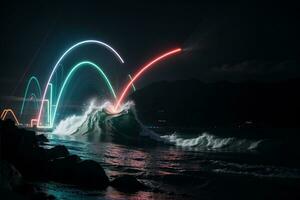
Creative Uses of Outline Lighting
Edge lighting is not limited to portraits. It’s a versatile tool for many genres:
- Sports and action – Emphasize movement and form by outlining athletes or dancers.
- Product photography – Highlight the shape and texture of objects, making them pop against dark backgrounds.
- Nature and wildlife – Capture animals or plants with a glowing edge during sunrise or sunset.
- Fashion and editorial – Add drama and a sense of separation in stylized shoots.
Combining rim lighting with other techniques, such as aperture and motion blur, can create unique visual effects that stand out in your portfolio.
Common Challenges and How to Overcome Them
While rim lighting can be visually stunning, it comes with some technical hurdles:
- Lens flare – When the light source points toward the camera, flare can reduce contrast. Use lens hoods, flags, or grids to control stray light.
- Overexposure of the rim – Too much power can blow out the edge. Dial back the light or use a diffuser for a softer look.
- Subject blending into the background – If the background is too bright, the rim effect is lost. Use a darker backdrop or increase the distance between subject and background.
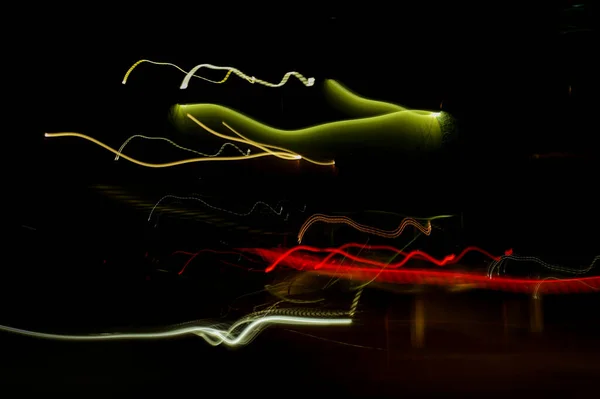
Careful positioning and exposure control are key. For more on managing light in challenging conditions, our post on how to capture light trails offers additional tips.
Tips for Mastering Rim Lighting Techniques
To get the most from this lighting style, keep these best practices in mind:
- Start with a single light and add more only if needed.
- Use a grid or snoot to keep the rim narrow and avoid spill.
- Expose for the rim first, then adjust fill lighting for the subject’s face or front.
- Try different color gels for creative effects.
- Review your images on a large screen to check for unwanted flare or loss of detail.
Experimentation is essential. Adjust angles, power, and modifiers to see how each change affects the final image. For a broader understanding of how lighting influences your photography, check out this comprehensive lesson on how light affects photography.
FAQ: Rim Lighting in Photography
What Camera Settings Work Best for Rim Lighting?
Start with manual mode to control exposure. Use a low ISO to minimize noise, a moderate aperture (f/4–f/8) for sharpness, and adjust shutter speed to balance ambient light. Meter for the rim highlight to avoid overexposure, then add fill as needed.
Can Rim Lighting Be Used Outdoors?
Yes, natural sunlight can act as a rim light, especially during golden hour when the sun is low. Position your subject so the sun is behind or to the side, and use reflectors or fill flash to illuminate the front if necessary.
How Do I Avoid Flare When Using Strong Backlights?
Use lens hoods or flags to block stray light from hitting the lens. Position the light source just outside the frame, and consider using a grid or snoot to direct the beam. Reviewing images for flare and adjusting as needed will help maintain image quality.
By integrating these rim lighting techniques into your workflow, you can add depth, drama, and professionalism to your photography. Whether you’re capturing portraits, products, or action, mastering this approach will help your subjects stand out and your images make a lasting impression.
This article contains affiliate links. We may earn a commission at no extra cost to you.