

Balancing Light and Motion
Capturing the interplay between illumination and movement is a core challenge in photography. Whether you're shooting city streets at night, fast-moving athletes, or tranquil landscapes with flowing water, finding the right equilibrium between exposure and motion is essential for producing compelling images. Mastering this balance allows photographers to create photos that are sharp, vibrant, and full of energy—or, when desired, to introduce creative blur and dynamic effects.
Understanding how to manage exposure, shutter speed, and other camera settings gives you control over how motion and light interact in your images. This guide explores the key techniques, settings, and creative choices that help photographers achieve the ideal mix of clarity and dynamism. For those interested in advanced techniques like capturing streaks of light, the how to capture light trails article provides further insights.
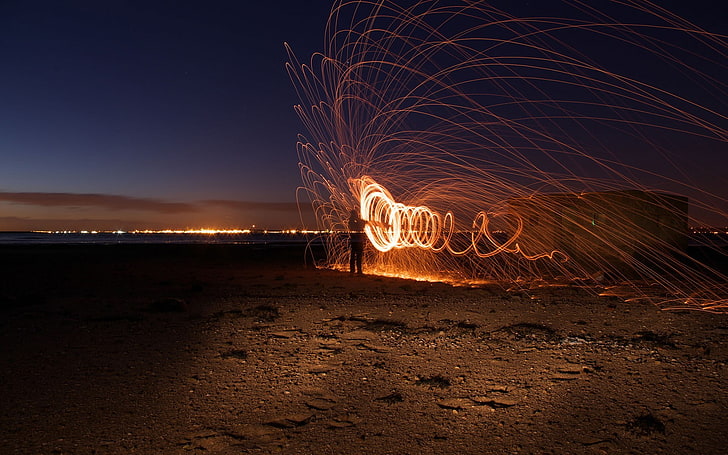
Understanding the Relationship Between Exposure and Movement
At the heart of balancing light and motion lies the exposure triangle: aperture, shutter speed, and ISO. Each element influences how much light enters the camera and how motion is rendered in the final image.
- Shutter Speed: The primary control for motion. Fast shutter speeds freeze action, while slower speeds allow for blur, conveying movement.
- Aperture: A wider aperture (lower f-number) lets in more light, enabling faster shutter speeds. However, it also affects depth of field.
- ISO: Increasing ISO boosts the sensor's sensitivity to light, which can help maintain exposure with faster shutter speeds, but may introduce noise.
Finding the right combination depends on your creative intent. For instance, to capture sharp, well-lit images of moving subjects, you might need to open the aperture or raise the ISO to allow for a faster shutter speed. Conversely, to create artistic blur, you can lower the shutter speed and adjust the other settings accordingly.
Techniques for Managing Light and Motion in Photography
There are several practical methods to achieve a harmonious blend of brightness and movement in your photos:
Using Shutter Speed for Creative Effects
Shutter speed is your main tool for controlling how motion appears. For example, a shutter speed of 1/1000 sec will freeze a sprinter mid-stride, while 1/10 sec can turn passing cars into glowing trails. Experimenting with different speeds helps you discover the look that best fits your subject and vision.
For more on this topic, the how to photograph motion blur guide offers detailed tips on using slow shutter speeds for dramatic effects.
Adjusting Aperture and ISO for Proper Exposure
When you slow down the shutter to capture motion blur, you risk overexposing your image, especially in bright conditions. To compensate, use a smaller aperture (higher f-number) or lower the ISO. In low-light situations, you may need to open the aperture or increase ISO to keep the image bright enough without introducing too much blur.
Understanding the interplay between these settings is crucial. The aperture and motion blur article dives deeper into how aperture choices affect both exposure and the appearance of movement.
Utilizing Tripods and Stabilization
When working with slower shutter speeds, camera shake can easily blur your entire image. Using a tripod or image stabilization helps keep stationary elements sharp while allowing moving subjects to blur artistically. This is especially important for night photography or when shooting in low light.
Creative Approaches to Light and Motion
Once you understand the technical aspects, you can start exploring creative possibilities. Here are a few popular techniques:
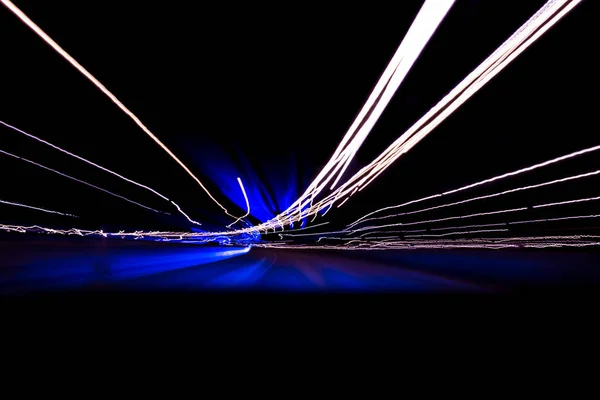
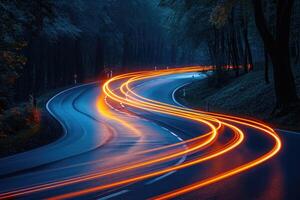
- Light Trails: By using long exposures, you can turn moving lights—like car headlights—into colorful streaks. This technique is often used in urban photography to add energy and drama.
- Panning: Following a moving subject with your camera while using a slower shutter speed keeps the subject relatively sharp while blurring the background, emphasizing speed and direction.
- Intentional Camera Movement (ICM): Deliberately moving the camera during exposure can create abstract, painterly effects, blending light and motion in unique ways.
For those interested in the best times of day for capturing dynamic lighting, the blue hour photography guide covers how changing natural light affects your ability to balance brightness and movement.
Common Challenges When Combining Light and Movement
Photographers often encounter obstacles when trying to achieve the right mix of illumination and motion. Here are some common issues and solutions:
- Overexposure: Long exposures in bright environments can result in washed-out images. Use neutral density (ND) filters to reduce incoming light without affecting color balance.
- Unwanted Blur: If everything in your photo is blurry, check your shutter speed and use a tripod or stabilization. Sometimes, increasing ISO or opening the aperture allows you to use a faster shutter speed.
- Noise at High ISO: Raising ISO helps in low light, but can introduce grain. Modern cameras handle noise better, but always aim to use the lowest ISO that achieves your desired exposure.
For more on freezing action, see the freezing motion in photography resource, which covers techniques for capturing crisp, sharp images of fast-moving subjects.
Lighting Tools and Accessories
Having the right equipment can make a significant difference in your ability to control both light and movement. Some useful tools include:
- External Flashes: Add light to freeze action, especially in dim settings.
- Continuous Lighting: Useful for video or when you need to see the effect of light in real time.
- ND Filters: Allow for longer exposures in bright conditions, perfect for creative blur effects.
- Tripods and Monopods: Essential for stability during long exposures.
For a deeper understanding of how different types of lighting affect your photography, see this comprehensive guide to light in photography.
FAQ: Light and Motion in Photography
What is the best shutter speed for capturing moving subjects?
The ideal shutter speed depends on how fast your subject is moving and whether you want to freeze or blur the action. For fast sports, 1/1000 sec or faster is common. For light trails or creative blur, slower speeds like 1/10 sec or longer are used. Experiment to find the effect that matches your vision.
How can I avoid overexposure when using long exposures?
To prevent overexposure during long exposures, use a smaller aperture (higher f-number), lower your ISO, or add a neutral density filter to reduce the amount of light entering the lens. Shooting during low-light conditions also helps maintain balanced exposure.
Can I balance light and movement with a smartphone camera?
Many modern smartphones offer manual controls for shutter speed and ISO, allowing you to experiment with motion effects. While they may not match the flexibility of dedicated cameras, using apps that enable manual settings and a tripod can help you achieve creative results with your phone.
What role does aperture play in motion photography?
Aperture controls how much light enters the camera and affects depth of field. A wider aperture lets in more light, which can help you use faster shutter speeds to freeze motion. However, it also reduces the area in focus, so balance your aperture choice with your desired sharpness and exposure.
How do I capture both sharp and blurred elements in the same photo?
This effect is achieved by keeping the camera steady (using a tripod) and using a slower shutter speed. Stationary objects remain sharp, while moving elements appear blurred, creating a dynamic contrast that emphasizes motion.
This article contains affiliate links. We may earn a commission at no extra cost to you.