

Using Slow Shutter Speed Creatively
Mastering the art of using slow shutter speed creatively can transform ordinary scenes into striking visual stories. By intentionally allowing more time for light to reach your camera’s sensor, you can capture movement, create dreamy effects, and highlight the passage of time in ways that fast shutter speeds simply cannot achieve. Whether you’re photographing bustling city streets, flowing water, or nightscapes, slow shutter techniques open up a world of artistic possibilities for photographers at any level.
Before diving into practical tips and techniques, it’s helpful to understand how slow shutter speed interacts with light and motion. If you’re interested in how lighting influences your images, you might also enjoy exploring using light for visual rhythm, which delves into the relationship between illumination and composition.
Understanding the Basics of Slow Shutter Photography
At its core, a slow shutter speed means your camera’s shutter remains open for a longer period—typically anything slower than 1/60th of a second. This extended exposure allows moving subjects to blur, while stationary elements remain sharp. The result can be ethereal, energetic, or abstract, depending on your subject and technique.
Common scenarios for slow shutter work include:
- Capturing light trails from vehicles at night
- Smoothing out water in rivers, waterfalls, or oceans
- Documenting the movement of clouds or crowds
- Creating intentional camera movement (ICM) for abstract effects
To get started, you’ll need a camera that allows manual control over shutter speed, a sturdy tripod to prevent unwanted shake, and sometimes a remote shutter release or timer.
Creative Ways to Use Slow Shutter Speed
There are several imaginative approaches to using slow shutter speed creatively in your photography. Here are some popular techniques and ideas to inspire your next shoot:
Light Trails and Urban Motion
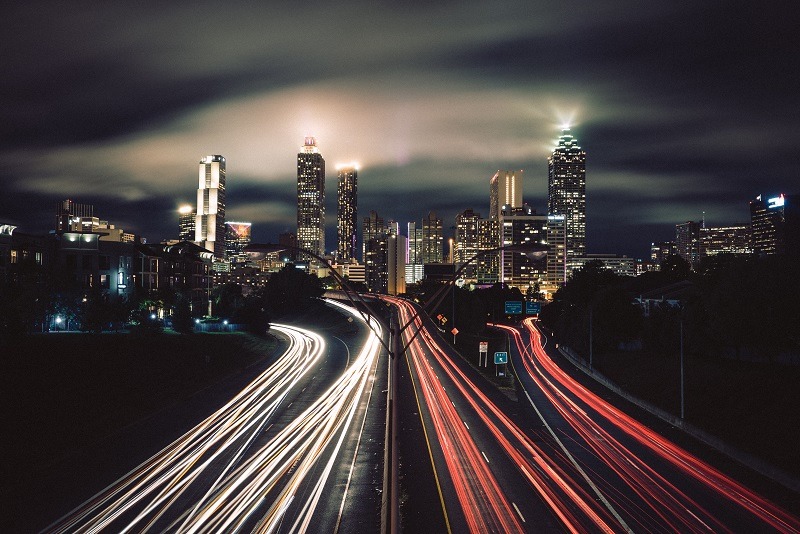
One of the most iconic uses of slow shutter is capturing the colorful streaks of car lights in urban environments. By setting your camera on a tripod and using exposures ranging from a few seconds to several minutes, you can turn busy streets into dynamic ribbons of light. For more on this style, check out our guide on how to photograph car motion, which covers tips for timing, composition, and exposure.
Water Blur and Dreamy Landscapes
Long exposures are frequently used to smooth out the surface of water, giving rivers, waterfalls, and seascapes a soft, misty appearance. By experimenting with different shutter durations, you can control how much motion blur appears in your scene. For a deeper dive into this technique, read about using long exposure for water to achieve those classic silky effects.
Abstract Effects with Intentional Camera Movement
Slow shutter speeds aren’t just for capturing the movement of your subject—they can also be used to move the camera itself. By deliberately panning, tilting, or rotating your camera during a long exposure, you can create painterly, abstract images that emphasize color and form over detail. This approach is often called Intentional Camera Movement (ICM).
Experiment with different motions and exposure times to see how they affect your results. Combining ICM with subjects like trees, city lights, or colorful backgrounds can yield especially striking images.
Essential Gear and Settings for Slow Shutter Photography
To make the most of slow shutter techniques, having the right equipment and settings is crucial. Here’s what you’ll need:
- Tripod: Keeps your camera steady during long exposures, preventing unwanted blur.
- Remote Shutter Release or Self-Timer: Minimizes camera shake when triggering the shutter.
- Neutral Density (ND) Filter: Reduces the amount of light entering the lens, allowing for longer exposures even in bright conditions.
- Manual Mode: Gives you full control over shutter speed, aperture, and ISO.
Start by setting your camera to manual or shutter priority mode. Choose a low ISO (100–200) to minimize noise, and adjust your aperture based on the desired depth of field. Then, select a shutter speed that matches the effect you want—anywhere from 1/10th of a second to several minutes, depending on the scene and available light.
Don’t forget to review your histogram and adjust exposure as needed. If you’re shooting in changing light, bracket your exposures to ensure you capture the best possible image.
Tips for Success with Creative Slow Shutter Photography
Getting great results with slow shutter photography requires both technical know-how and creative vision. Here are some practical tips to help you succeed:
- Scout Locations: Look for scenes with interesting movement—busy intersections, flowing water, or windy landscapes.
- Plan for Light: Golden hour, blue hour, and nighttime are ideal for long exposures. For more on how light shapes your images, see this in-depth guide to the importance of light in photography.
- Use a Remote or Timer: Even the slightest touch can introduce blur. Use a remote shutter release or your camera’s timer function.
- Experiment with Exposure: Try different shutter speeds to see how they affect motion blur and overall mood.
- Combine Techniques: Mix slow shutter with panning, zooming, or intentional camera movement for unique effects.
Remember, practice is key. Review your images, analyze what works, and don’t be afraid to try unconventional approaches. Over time, you’ll develop a personal style that makes your slow shutter images stand out.

Exploring More Creative Blur Techniques
If you’re interested in expanding your creative toolkit, consider learning about the creative use of blur and sharpness. Combining areas of motion blur with sharply focused elements can add depth and visual interest to your images. You might also want to explore creative slow shutter shots for more inspiration and advanced techniques.
Frequently Asked Questions
What is the best shutter speed for capturing light trails?
The ideal shutter speed for light trails depends on the amount of traffic and ambient light. Typically, exposures between 5 and 30 seconds work well for cityscapes and highways. Experiment with different durations to achieve the desired length and brightness of the trails.
How can I avoid overexposure when using slow shutter speed during the day?
To prevent overexposure in bright conditions, use a neutral density (ND) filter to reduce the amount of light entering your lens. Additionally, set your ISO to its lowest value and use a narrower aperture (higher f-stop) to further limit light.
Do I always need a tripod for slow shutter photography?
While a tripod is highly recommended for sharp, stable images, you can experiment with handheld slow shutter techniques for creative blur effects. However, for most applications—especially when you want stationary objects to remain sharp—a tripod is essential.
Conclusion
Exploring the possibilities of using slow shutter speed creatively can elevate your photography and help you see familiar scenes in new ways. From light trails to dreamy landscapes and abstract motion, the techniques discussed here offer a foundation for artistic experimentation. With the right gear, thoughtful planning, and a willingness to try new approaches, you’ll soon discover the unique visual language that slow shutter photography can bring to your work.
This article contains affiliate links. We may earn a commission at no extra cost to you.
This article contains affiliate links. We may earn a commission at no extra cost to you.
This article contains affiliate links. We may earn a commission at no extra cost to you.
This article contains affiliate links. We may earn a commission at no extra cost to you.