

Light Reflections on Glass
From city skylines at dusk to the subtle gleam of a windowpane, light reflections on glass create captivating visual effects that intrigue photographers, artists, and scientists alike. Understanding how light interacts with transparent surfaces is essential not only for capturing striking images but also for appreciating the physics behind everyday phenomena. This article explores the science, artistry, and practical considerations of photographing and observing these luminous patterns.
Whether you’re fascinated by the way sunlight dances across a glass table or you’re seeking to master reflection techniques in your photography, learning about these effects opens up creative and technical possibilities. For those interested in expanding their visual storytelling, exploring topics like using light for visual rhythm can further enhance your understanding of composition and mood.
The Science Behind Reflections on Transparent Surfaces
When light hits a glass surface, several things happen simultaneously. Some of the light passes through, some is absorbed, and some is reflected. The amount and quality of the reflected light depend on factors such as the angle of incidence, the smoothness of the glass, and the environment around the glass.
At its core, the phenomenon is governed by the laws of reflection and refraction. The angle of incidence (the angle at which light strikes the surface) equals the angle of reflection. This is why, when you look at a window from a certain angle, you may see a clear reflection of the room behind you or the world outside, depending on lighting conditions.
Refraction, on the other hand, occurs as light passes through the glass, bending due to the change in medium. This bending can create interesting distortions or double images, especially with thicker or curved glass.
Capturing Glass Reflections in Photography
Photographing reflections on glass requires careful attention to light, angle, and surroundings. The interplay of direct and reflected light can either enhance or detract from your intended composition. Here are some practical tips for capturing these effects:
- Choose the Right Angle: Move around your subject to find the angle where the reflection is most pronounced or visually appealing.
- Control the Light: Reflections are strongest when there is a significant difference in brightness between the reflected scene and the background. Shooting at dusk or dawn, or using artificial lighting, can help control this contrast.
- Use a Polarizing Filter: A polarizer can reduce unwanted glare and allow you to selectively enhance or suppress reflections, giving you more creative control.
- Clean the Glass: Smudges, dust, or fingerprints can disrupt the clarity of reflections. Always clean your glass surfaces before shooting.
- Experiment with Depth of Field: Using a wide aperture can blur the background and focus attention on the reflection itself, while a narrow aperture can keep both the glass and its reflection sharp.
Creative Uses of Reflected Light in Art and Design
Artists and designers often leverage light reflections on glass to create dynamic compositions and evoke mood. In architecture, reflective glass facades can mirror the sky, surrounding buildings, or even the movement of people, adding a sense of depth and vibrancy to urban landscapes. In interior design, strategically placed mirrors and glass panels can amplify natural light and visually expand small spaces.
Photographers, meanwhile, use reflections to introduce symmetry, abstraction, or narrative layers to their images. For example, capturing the reflection of a bustling street scene in a shop window can tell a story within a story, blending the inside and outside worlds. If you’re interested in exploring more about motion and blur in photography, the article on creative use of blur and sharpness offers additional techniques to experiment with.
Common Challenges and How to Overcome Them
Working with glass surfaces can present several obstacles, from unwanted glare to distracting background elements. Here are some solutions to common issues:
- Managing Glare: Adjust your shooting position or use a polarizing filter to minimize harsh reflections that obscure your subject.
- Background Distractions: Simplify the scene behind the glass or use a shallow depth of field to blur out unwanted details.
- Double Reflections: Double-pane windows or thick glass can create ghostly secondary reflections. Moving closer to the glass or changing your angle can help reduce this effect.
- Lighting Balance: If photographing indoors, try to match the brightness levels inside and outside to avoid overexposed or underexposed areas in your shot.

Practical Applications and Further Exploration
The study and use of reflected light on glass go beyond photography and art. In science and engineering, understanding these principles is crucial for designing optical instruments, safety glass, and energy-efficient buildings. For those eager to deepen their technical knowledge, resources like the science and art of photography lighting provide a comprehensive look at how light can be manipulated for various effects.
Experimenting with slow shutter speeds can also produce dramatic results, especially when capturing moving lights reflected in glass. For inspiration, check out tips on creative slow shutter shots and how to photograph car motion for techniques that combine motion blur with reflective surfaces.
Frequently Asked Questions
What causes the rainbow colors sometimes seen in glass reflections?
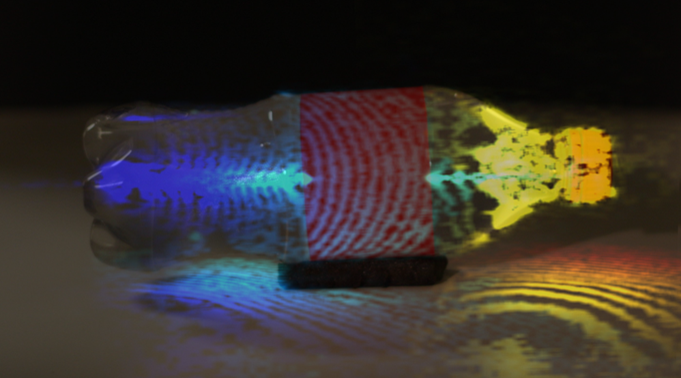
Rainbow colors, or iridescence, occur when light waves interfere with each other after reflecting off thin layers on the glass surface, such as oil films or coatings. This phenomenon is known as thin-film interference and is similar to the colors seen in soap bubbles.
How can I avoid unwanted reflections when photographing through glass?
To minimize unwanted reflections, shoot at an angle rather than straight on, use a polarizing filter, and get as close to the glass as possible. Wearing dark clothing and shading the camera with your hand or a lens hood can also help reduce visible reflections.
Are there creative ways to use reflections for storytelling in photography?
Absolutely. Reflections can add layers of meaning, symmetry, or abstraction to your images. For example, capturing a subject’s reflection in a window can suggest introspection or duality, while city lights mirrored in a glass facade can evoke energy and movement.
Conclusion
Mastering the art and science of light reflections on glass opens up a world of creative and technical opportunities. By understanding the underlying principles and practicing thoughtful techniques, you can harness these effects to enhance your photography, art, or design projects. Whether you’re capturing the shimmer of city lights or the subtle interplay of sunlight on a window, the possibilities are as endless as your imagination.
This article contains affiliate links. We may earn a commission at no extra cost to you.
This article contains affiliate links. We may earn a commission at no extra cost to you.
This article contains affiliate links. We may earn a commission at no extra cost to you.
This article contains affiliate links. We may earn a commission at no extra cost to you.