

Contrast Lighting Photography
Contrast lighting photography is a powerful technique that uses the interplay between light and shadow to create visually striking images. By emphasizing the difference between bright and dark areas, photographers can add drama, depth, and mood to their work. Whether you're capturing portraits, landscapes, or urban scenes, understanding how to harness contrast can elevate your images and make them stand out.
Learning to control and manipulate contrast is essential for anyone looking to improve their photographic skills. This guide explores the fundamentals of high-contrast lighting, practical tips for achieving dynamic results, and creative ideas to inspire your next shoot. For those interested in exploring related creative approaches, check out creative use of blur and sharpness for additional inspiration.
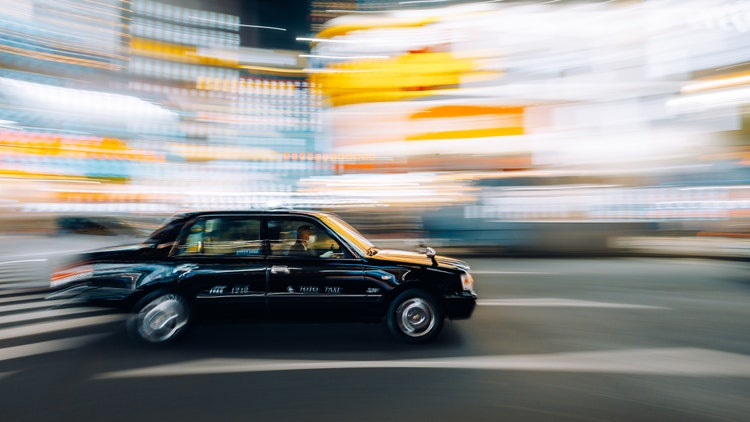
Understanding High-Contrast Lighting in Photography
At its core, high-contrast lighting refers to scenes where there is a significant difference between the brightest highlights and the darkest shadows. This technique draws the viewer’s eye to the subject and can evoke strong emotions or emphasize particular features. It is commonly used in genres like portraiture, street, and architectural photography.
There are two main types of contrast to consider:
- Tonal contrast: The difference in brightness between light and dark areas.
- Color contrast: The juxtaposition of different hues, which can also enhance the sense of depth and separation.
Mastering both types allows photographers to create more visually engaging images that capture attention and tell a story.
Why Use Contrast Lighting Techniques?
Incorporating strong contrast in your images can serve several purposes:
- Adds drama and mood: Deep shadows and bright highlights can create a sense of mystery or intensity.
- Directs viewer attention: High-contrast lighting naturally draws the eye to the subject or focal point.
- Shapes and defines: The interplay of light and shadow helps define shapes, textures, and contours.
- Enhances storytelling: Contrast can be used to highlight important elements or convey a particular atmosphere.
For more on how lighting can influence composition and mood, explore this comprehensive guide to light in photography.
Essential Equipment for Dynamic Lighting Effects
While natural light can be used to achieve dramatic results, having the right gear can offer greater control over your images. Here are some tools that can help:
- External flashes and strobes: Allow you to add or shape light as needed.
- Reflectors: Bounce light into shadowed areas, helping to control the intensity of contrast.
- Light modifiers: Softboxes, umbrellas, and grids can direct or diffuse light for more nuanced effects.
- ND filters: Useful for balancing exposure in high-contrast outdoor scenes.
Investing in quality lighting equipment can make it easier to experiment with different setups and achieve consistent results.

Camera Settings for Strong Contrast
Getting the most out of high-contrast scenes often comes down to your camera settings. Here are some tips to help you capture the full range of tones:
- Shoot in RAW: This format preserves more detail in both highlights and shadows, giving you greater flexibility in post-processing.
- Use spot metering: Meter for the subject or the most important part of the scene to avoid overexposing highlights or losing shadow detail.
- Adjust exposure compensation: Dialing exposure up or down can help retain detail in the area you want to emphasize.
- Keep ISO low: Lower ISO settings reduce noise, which is especially important in shadow areas.
Experimenting with these settings will help you find the right balance for each scene.
Creative Approaches to Contrast Lighting
There are many ways to use contrast creatively in your photography. Here are a few ideas to try:
- Silhouettes: Place your subject against a bright background and expose for the highlights to create a dramatic outline.
- Chiaroscuro: Inspired by classical painting, this technique uses strong directional light to sculpt faces and forms with shadow.
- Backlighting: Shoot towards the light source to create rim lighting and emphasize edges.
- Night photography: Urban scenes at night often feature pools of artificial light and deep shadows, perfect for high-contrast images.
For those interested in capturing movement and light together, see how to photograph car motion for additional techniques.

Post-Processing Tips for Enhanced Contrast
Editing plays a crucial role in refining the look of your high-contrast images. Here are some post-processing techniques to consider:
- Adjust the tone curve: Use the curve tool in your editing software to deepen shadows and brighten highlights.
- Dodge and burn: Selectively lighten or darken areas to enhance depth and focus attention.
- Increase clarity and texture: These adjustments can make edges and details stand out, adding to the sense of contrast.
- Convert to black and white: Removing color can further emphasize tonal differences and create timeless images.
Remember to avoid over-processing, as too much contrast can result in loss of detail or unnatural-looking images.
Common Challenges and How to Overcome Them
Working with high-contrast scenes can present some difficulties. Here are a few common issues and solutions:
- Blown highlights: Meter for the brightest part of the scene and recover shadows in post-processing.
- Blocked shadows: Use fill light or reflectors to add detail to dark areas.
- Unwanted color casts: Adjust white balance to ensure accurate color reproduction.
- Loss of detail: Shoot in RAW and use careful editing to preserve as much information as possible.
Patience and practice are key to mastering these challenges and producing consistently strong images.
Inspiration and Further Learning
Exploring the work of other photographers can provide new ideas and approaches. Try studying classic film noir, fashion editorials, or street photography for examples of effective use of contrast. For more ideas on using light creatively, see using light for visual rhythm and creative slow shutter shots.
Experiment with different lighting setups, locations, and subjects to discover what works best for your style. The more you practice, the more intuitive working with contrast will become.
Frequently Asked Questions
What is the best time of day for high-contrast photography?
The golden hour (shortly after sunrise or before sunset) and midday sun both offer strong, directional light that can create pronounced contrast. However, harsh midday light can be challenging to control, so using reflectors or diffusers can help manage shadows.
Can I achieve dramatic contrast with just natural light?
Yes, natural light can be very effective for creating contrast, especially when shooting near windows, in alleyways, or outdoors during bright sunlight. Positioning your subject relative to the light source is key to maximizing the effect.
How do I avoid losing detail in shadows or highlights?
Shooting in RAW format and carefully metering your exposure will help retain more information in both bright and dark areas. In post-processing, use the tone curve and local adjustments to recover detail as needed.
This article contains affiliate links. We may earn a commission at no extra cost to you.
This article contains affiliate links. We may earn a commission at no extra cost to you.
This article contains affiliate links. We may earn a commission at no extra cost to you.
This article contains affiliate links. We may earn a commission at no extra cost to you.