

Understanding Exposure Triangle
The foundation of mastering photography lies in controlling how light interacts with your camera. One of the most essential concepts for photographers, whether beginners or advanced, is the exposure triangle. This principle explains how three core camera settings—aperture, shutter speed, and ISO—work together to determine the brightness and overall quality of an image. By gaining a solid grasp of these elements, you can move beyond automatic modes and start making creative decisions that shape the look and feel of your photographs.
Learning to balance these three settings is crucial for capturing well-exposed images in any lighting condition. Each component of the triangle affects not only exposure but also other visual aspects such as motion blur, depth of field, and image noise. As you read on, you'll discover how these factors interact and how to use them to your advantage.
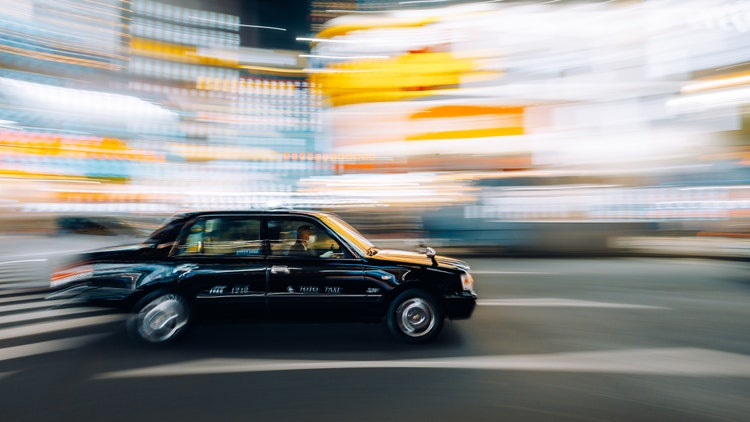
For those interested in exploring how light can be used to enhance visual storytelling, check out using light for visual rhythm for practical tips on shaping mood and movement in your images.
What Is the Exposure Triangle?
The term exposure triangle refers to the relationship between three key camera settings: aperture, shutter speed, and ISO. Each of these controls a different aspect of how your camera collects light:
- Aperture: The size of the lens opening, which controls how much light enters the camera and affects depth of field.
- Shutter Speed: The length of time the camera’s sensor is exposed to light, influencing motion blur and sharpness.
- ISO: The sensitivity of your camera’s sensor to light, impacting image brightness and noise.
Adjusting any one of these settings will affect the exposure of your photo. To maintain a balanced exposure, changes to one element often require compensating adjustments to the others. Mastering this balance is the key to creative control in photography.
Aperture: Controlling Light and Depth
Aperture is measured in f-stops (such as f/2.8, f/5.6, or f/16). A lower f-stop number means a larger opening, allowing more light to reach the sensor. A higher number means a smaller opening and less light.
- Wide aperture (low f-stop): More light, shallow depth of field (blurry background), ideal for portraits.
- Narrow aperture (high f-stop): Less light, greater depth of field (more in focus), suitable for landscapes.
Choosing the right aperture not only affects exposure but also determines how much of your scene appears sharp. This is especially important for creative effects like background blur or ensuring everything from foreground to background is in focus.
Shutter Speed: Freezing or Blurring Motion
Shutter speed is measured in seconds or fractions of a second (such as 1/1000s, 1/60s, or 2s). Faster shutter speeds freeze motion, while slower speeds can introduce blur—either intentionally or unintentionally.
- Fast shutter speed: Freezes action, useful for sports or wildlife photography.
- Slow shutter speed: Captures motion blur, great for creative effects like light trails or smooth water.
When working in low light, you may need to use a slower shutter speed to let in more light, but this increases the risk of camera shake. Using a tripod or image stabilization can help counteract this.

ISO: Sensitivity and Image Quality
ISO determines how sensitive your camera’s sensor is to light. Lower ISO values (such as 100 or 200) produce cleaner images with less noise, while higher ISO values (like 1600 or 3200) increase sensitivity but can introduce graininess.
- Low ISO: Best for bright conditions or when image quality is a priority.
- High ISO: Useful in low-light situations, but may reduce image clarity due to noise.
Finding the right ISO setting is about balancing the need for brightness with the desire for sharp, noise-free images. Modern cameras often handle higher ISO values better, but it’s still a good practice to keep ISO as low as possible for the best results.
How the Three Elements Work Together
The real power of the exposure triangle comes from understanding how aperture, shutter speed, and ISO interact. Changing one setting often requires adjusting the others to maintain proper exposure. For example:
- If you open the aperture wider (lower f-stop), you can use a faster shutter speed or a lower ISO.
- If you increase the ISO, you might be able to use a smaller aperture or a faster shutter speed.
- If you slow down the shutter speed, you may need to close the aperture or lower the ISO to avoid overexposure.
Experimenting with these settings helps you develop a feel for how they affect your images. Over time, you’ll be able to make quick adjustments to achieve your creative vision in any scenario.
Creative Applications and Practical Tips
Once you’re comfortable with the basics, you can use the exposure triangle for creative effects. For example, using a slow shutter speed can create dramatic light trails or smooth out moving water, as discussed in creative slow shutter shots. Adjusting aperture lets you control background blur for portraits or keep everything sharp for landscapes.
Here are a few practical tips for working with these settings:
- Use aperture priority mode to control depth of field while letting the camera handle shutter speed.
- Switch to shutter priority mode when you want to freeze or blur motion.
- In manual mode, experiment with all three settings for full creative control.
- Always review your images and check the histogram to ensure proper exposure.
For more on how light affects your photography, see this detailed guide on the impact of light in photography.

Common Mistakes and How to Avoid Them
Many photographers struggle with exposure when first learning about the triangle. Here are some common pitfalls and how to address them:
- Overexposed or underexposed images: Double-check your settings and use your camera’s exposure meter for guidance.
- Unwanted blur: Make sure your shutter speed is fast enough for handheld shots or use a tripod for stability.
- Too much noise: Keep ISO as low as possible and use noise reduction in post-processing if needed.
- Shallow or deep depth of field issues: Adjust your aperture to control how much of the scene is in focus.
Practice is key. Take time to experiment in different lighting conditions and review your results to understand how each setting influences your photos.
Further Learning and Related Techniques
Once you have a handle on the exposure triangle, you can explore more advanced techniques. For example, learning about creative use of blur and sharpness can help you add artistic flair to your work. Similarly, understanding how to photograph car motion or using long exposure for water can open up new creative possibilities.
As you continue to practice, you’ll find that mastering these fundamentals gives you the confidence to experiment and develop your own style.
Frequently Asked Questions
What is the easiest way to start learning about the exposure triangle?
Begin by experimenting with aperture priority and shutter priority modes on your camera. This allows you to focus on one setting at a time while the camera adjusts the others. Over time, move to manual mode to gain full control.
How do I know which setting to adjust first?
It depends on your creative goal. If you want to control background blur, start with aperture. If you need to freeze or blur motion, begin with shutter speed. Adjust ISO as needed to achieve a balanced exposure.
Can I use auto mode and still benefit from understanding the exposure triangle?
Yes, even if you shoot in auto mode, knowing how aperture, shutter speed, and ISO work together will help you troubleshoot exposure issues and make better decisions when you want more creative control.
This article contains affiliate links. We may earn a commission at no extra cost to you.
This article contains affiliate links. We may earn a commission at no extra cost to you.
This article contains affiliate links. We may earn a commission at no extra cost to you.
This article contains affiliate links. We may earn a commission at no extra cost to you.