

How to Photograph Moving Animals
Capturing sharp, dynamic images of animals in motion is one of the most rewarding challenges in photography. Whether you’re photographing pets at play, birds in flight, or wildlife on the move, understanding how to photograph moving animals can elevate your skills and help you achieve striking results. This guide covers essential camera settings, techniques, and creative tips to help you freeze action or artistically blur movement, all while adapting to unpredictable animal behavior and changing light.
Before diving into the technical details, it’s helpful to explore related topics such as creative low light movement photography, which can provide inspiration and additional techniques for working in challenging conditions.
Essential Camera Settings for Action Shots
Getting the right camera settings is crucial when photographing animals in motion. The following adjustments will help you capture sharp, well-exposed images even when your subject is unpredictable:
- Shutter Speed: Use a fast shutter speed (1/1000s or faster) to freeze rapid movement. For slower animals or to intentionally blur motion, experiment with slower speeds.
- Continuous Autofocus (AI Servo/AF-C): Set your camera to continuous autofocus mode to track moving subjects and maintain focus as they move across the frame.
- Burst Mode: Enable burst or continuous shooting to capture a sequence of images. This increases your chances of getting the perfect moment.
- ISO: Adjust ISO to maintain proper exposure with fast shutter speeds, especially in low light. Modern cameras handle higher ISO values with less noise, so don’t be afraid to increase it when needed.
- Aperture: A wider aperture (lower f-number) lets in more light and can help isolate your subject from the background, but be mindful of depth of field when tracking fast-moving animals.
Techniques for Photographing Fast-Moving Subjects
Mastering animal action photography requires more than just technical know-how. Here are some practical tips to improve your results:
- Anticipate Movement: Spend time observing your subject’s behavior to predict where they might move next. This helps you position yourself for the best angle and composition.
- Panning: For a sense of speed, try panning with your subject. Move your camera horizontally at the same rate as the animal’s movement while using a slower shutter speed (e.g., 1/60s to 1/250s). This technique keeps the subject sharp while blurring the background.
- Focus Points: Use a single focus point or a small group of points to maintain precise focus on the animal’s eyes or head.
- Pre-Focus: If you know where the animal will move, pre-focus on that spot and wait for the action to enter your frame.

Lighting Tips for Photographing Animals in Motion
Lighting can make or break your action shots. Natural light is often ideal, but it’s not always available or predictable. Here’s how to adapt:
- Shoot During Golden Hour: Early morning or late afternoon light is softer and more flattering, reducing harsh shadows and blown highlights.
- Use Artificial Lighting: When shooting indoors or in low light, consider using portable LED panels or flashes. For more on the role of lighting, check out this in-depth article on the importance of light in photography.
- Adjust White Balance: Set your white balance to match the lighting conditions, especially if you’re mixing natural and artificial sources.
- Control Light Direction: Position yourself so that the light falls on your subject’s face or eyes, bringing out detail and expression.
For more advanced techniques, you might also explore using filters to control light and manage challenging environments.
Choosing the Right Gear for Animal Action Photography
The right equipment can make a significant difference when capturing animals on the move. Here’s what to consider:
- Camera Body: Look for models with fast autofocus, high burst rates, and good low-light performance.
- Lenses: Telephoto lenses (70-200mm, 100-400mm) let you photograph wildlife from a distance. For pets or zoo animals, a standard zoom (24-70mm) can also work well.
- Stabilization: Image stabilization in your lens or camera body helps reduce blur from camera shake, especially when using longer focal lengths.
- Accessories: A monopod or tripod can provide extra stability, while weather protection keeps your gear safe outdoors.
Creative Approaches to Capturing Animal Movement
While sharp, frozen images are often the goal, experimenting with creative techniques can add drama and emotion to your photos:
- Intentional Motion Blur: Use slower shutter speeds to blur wings, tails, or legs, conveying a sense of motion and energy.
- Backlighting: Shoot with the light source behind your subject to create silhouettes or highlight fur and feathers.
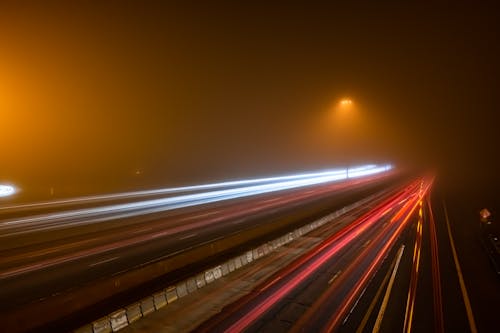
- Abstract Effects: Combine movement and light for artistic results. For more inspiration, see light and motion in abstract photography.
- Color and Contrast: Use backgrounds that contrast with your subject for greater visual impact. Learn more about understanding color contrast to make your images pop.
Adapting to Changing Light and Environments
Outdoor conditions can shift rapidly, especially when photographing wildlife. Being able to adjust your settings and approach on the fly is essential:
- Monitor the Light: Watch for clouds, shifting sun, or changes in weather that affect exposure and color.
- Quick Adjustments: Learn to change ISO, aperture, and shutter speed quickly so you don’t miss key moments.
- Use Exposure Compensation: When shooting against bright skies or in dappled light, use exposure compensation to avoid underexposed subjects.
- Practice in Different Conditions: Try photographing in various lighting scenarios to become comfortable with rapid adjustments. For more tips, read how to shoot in changing light.
Frequently Asked Questions
What shutter speed should I use for photographing animals in motion?
For most fast-moving animals, a shutter speed of 1/1000s or faster is recommended to freeze action. For slower movement or to create intentional blur, experiment with speeds between 1/60s and 1/500s depending on the effect you want.
How do I keep animals in focus when they move unpredictably?
Use continuous autofocus mode (AI Servo for Canon, AF-C for Nikon/Sony) and select a focus point over the animal’s eyes or head. Burst shooting and tracking focus can help you capture sharp images even when the subject changes direction suddenly.
What’s the best time of day for photographing animals outdoors?
The golden hour—shortly after sunrise or before sunset—offers soft, warm light that flatters animals and reduces harsh shadows. Overcast days can also provide even, diffused lighting that works well for action shots.
Do I need special equipment to photograph moving animals?
While you can start with basic gear, a camera with fast autofocus and a telephoto lens will make it easier to capture sharp images of distant or fast-moving subjects. Image stabilization and burst mode are also helpful features.
How can I add creativity to my animal action photos?
Try panning, intentional motion blur, backlighting, or experimenting with color and contrast. These techniques can add energy and emotion to your images, making them stand out from standard action shots.
This article contains affiliate links. We may earn a commission at no extra cost to you.
This article contains affiliate links. We may earn a commission at no extra cost to you.
This article contains affiliate links. We may earn a commission at no extra cost to you.
This article contains affiliate links. We may earn a commission at no extra cost to you.
This article contains affiliate links. We may earn a commission at no extra cost to you.