

Creative Low Light Movement Photography
Creative low light movement photography offers photographers a unique way to capture the world in a different light—literally. By embracing darkness and motion, you can produce images that are dynamic, abstract, and full of energy. Whether you’re an experienced photographer or just starting out, experimenting with movement in dim conditions can open up new artistic possibilities and challenge your technical skills.
Low light conditions, such as dusk, nighttime, or dimly lit interiors, often require a different approach compared to shooting in bright daylight. Instead of fighting the darkness, this style encourages you to use it as a canvas for motion, color, and creative effects. In this guide, we’ll explore essential techniques, gear recommendations, and tips for making the most of these challenging but rewarding scenarios. For those interested in expanding their toolkit, learning about using filters to control light can further enhance your results and control over exposure.
Understanding the Appeal of Motion in Dim Environments
Capturing movement in low light isn’t just about technical mastery—it’s about storytelling. The interplay between darkness and motion can evoke emotion, mystery, and excitement. Blurred lines, streaks of color, and ghostly figures all contribute to a sense of energy that static images often lack. This approach is especially popular in genres like street photography, urban exploration, and abstract art.
Photographers are drawn to this style because it allows for creative freedom. You can break the rules, experiment with exposure times, and embrace imperfections. The results are often unpredictable, which adds to the excitement and satisfaction when you capture something truly unique.
Essential Gear for Capturing Movement in Low Light
While you don’t need the most expensive equipment to get started, having the right tools can make a significant difference. Here are some essentials for anyone interested in this style:
- Camera with Manual Controls: Being able to adjust shutter speed, aperture, and ISO is crucial for controlling exposure and motion blur.
- Tripod: A sturdy tripod helps stabilize your camera during long exposures, reducing unwanted shake and keeping static elements sharp.
- Fast Lenses: Lenses with wide apertures (like f/1.8 or f/2.8) allow more light to reach the sensor, making it easier to shoot in dim conditions.
- Remote Shutter Release: This accessory minimizes camera shake when triggering the shutter, especially for exposures longer than a second.
- ND Filters: Neutral density filters can help you achieve longer exposures even in situations where there’s still some ambient light.
For more on how filters can impact your images, check out resources on using filters to control light.
Camera Settings for Creative Low Light Movement Shots
Getting the right settings is key to successful results. Here’s what to consider:
- Shutter Speed: Slow shutter speeds (1/10 second or longer) allow moving subjects to blur, creating trails or ghostly effects. Experiment with different durations to see how they affect the look of your images.
- Aperture: A wide aperture lets in more light, but also affects depth of field. Balancing sharpness and exposure is important, especially if you want certain elements to remain crisp.
- ISO: Increasing ISO makes your camera more sensitive to light, but can introduce noise. Find a balance that gives you enough exposure without sacrificing too much image quality.
- Manual Focus: Autofocus can struggle in low light, so switching to manual focus ensures you have control over what’s sharp.
Don’t be afraid to experiment. The beauty of this genre is that there’s no single “correct” setting—each scene and subject will require its own approach.
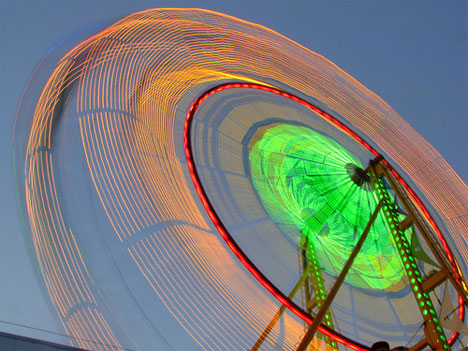
Techniques for Expressive Motion Photography in Low Light
There are several creative techniques you can try to make your images stand out:
- Panning: Move your camera along with a moving subject during a slow exposure. This keeps the subject relatively sharp while blurring the background, emphasizing speed and direction.
- Intentional Camera Movement (ICM): Deliberately move your camera during the exposure to create abstract patterns and streaks of light. This works especially well with city lights or illuminated objects.
- Zoom Burst: While the shutter is open, zoom your lens in or out. This creates a dynamic, radiating effect from the center of the image.
- Multiple Exposures: Some cameras allow you to combine several exposures into one frame, layering different movements and light sources for a surreal look.
Experimenting with these approaches can help you find your own style and produce images that are truly one-of-a-kind.
Lighting Tips for Low Light and Motion
Lighting plays a crucial role in this type of photography. While ambient light is often limited, you can use artificial sources to add drama or highlight specific elements. For beginners, understanding the basics of lighting is essential. Consider reading this guide to photography lighting for beginners for foundational knowledge.
- Use Available Light: Streetlights, neon signs, and passing cars can all become creative light sources. Look for interesting colors and patterns that add depth to your images.
- Add Flash: A brief burst of flash can freeze part of the motion, creating a sharp subject against a blurred background. Experiment with rear curtain sync for more natural-looking trails.
- Light Painting: Move a flashlight or other light source through the frame during a long exposure to “paint” shapes and lines into your photo.
Combining different lighting techniques can yield unexpected and exciting results, especially when working with moving subjects.

Inspiration and Further Learning
Looking for more ideas? Exploring related topics can help you refine your approach. For example, understanding light and motion in abstract photography can offer insight into how to blend movement with creative composition. Similarly, learning about understanding color contrast will help you make your images pop, even in the darkest settings.
Don’t forget to review techniques for how to shoot in changing light, as conditions can shift quickly during dusk or at night. Mastering these skills will make you more adaptable and confident in any scenario.
Common Challenges and How to Overcome Them
Working in low light with moving subjects presents unique obstacles. Here are some common issues and solutions:
- Camera Shake: Use a tripod and remote shutter release to minimize blur from unintentional movement.
- Focus Difficulties: Switch to manual focus and use live view magnification to ensure your subject is sharp.
- High Noise Levels: Keep ISO as low as possible, and consider noise reduction during post-processing.
- Unpredictable Results: Embrace experimentation. Take multiple shots and review them to see what works best.
Patience and practice are key. The more you shoot, the better you’ll become at anticipating and solving these challenges.
Showcasing and Editing Your Low Light Motion Images
Post-processing can enhance the impact of your images. Adjusting contrast, color balance, and sharpness can help emphasize the movement and mood you captured. Don’t be afraid to crop or straighten your photos to improve composition.
Sharing your work online or in print is a great way to get feedback and inspire others. Consider joining photography communities or participating in themed challenges to stay motivated.
FAQ
What is the best shutter speed for capturing movement in low light?
The ideal shutter speed depends on your subject and desired effect. For pronounced motion blur, try starting with 1/10 second or slower. For subtle blur, experiment with slightly faster speeds. Always review your results and adjust as needed.
How can I reduce noise in my low light photographs?
Keep your ISO as low as possible while maintaining a proper exposure. Use a tripod to allow for longer exposures without increasing ISO. In post-processing, apply noise reduction carefully to avoid losing detail.
Do I need expensive equipment to try this style of photography?
No, you can achieve compelling results with basic gear. A camera with manual controls and a tripod are the most important tools. Fast lenses and remote releases are helpful but not strictly necessary.
Where can I find more tips for combining light and motion?
For additional guidance, explore articles like capturing shadows in motion and other resources on creative techniques for working with light and movement.
This article contains affiliate links. We may earn a commission at no extra cost to you.
This article contains affiliate links. We may earn a commission at no extra cost to you.
This article contains affiliate links. We may earn a commission at no extra cost to you.
This article contains affiliate links. We may earn a commission at no extra cost to you.
This article contains affiliate links. We may earn a commission at no extra cost to you.