

Using Filters to Control Light
Mastering the art of using filters to control light is a fundamental skill for photographers and visual artists. Filters allow you to manipulate the quality, direction, and intensity of light, opening up creative possibilities and solving technical challenges in various lighting conditions. Whether you are shooting landscapes, portraits, or abstract compositions, understanding how filters interact with light can significantly improve your results.
In this guide, we’ll explore the types of filters available, their practical uses, and how they can help you achieve greater control over your images. For those interested in expanding their knowledge on related topics, consider reading about creating drama with lighting to further enhance your lighting techniques.
Why Light Control Matters in Photography
Light is the foundation of every photograph. Its quality, direction, and color temperature influence the mood, clarity, and impact of your images. However, natural and artificial light sources are not always ideal. Harsh sunlight, reflections, glare, or mixed lighting can create unwanted effects. This is where light-controlling filters become essential tools.
By selectively filtering light, you can:
- Reduce glare and reflections on surfaces like water or glass
- Balance exposure in scenes with high contrast
- Enhance or subdue colors for creative effect
- Achieve longer exposures for motion blur or smoothing effects
Filters provide a non-destructive way to manage these challenges directly in-camera, reducing the need for extensive post-processing.
Types of Filters for Managing Light
There are several types of filters designed to help photographers shape and control light. Each serves a distinct purpose and can be used individually or in combination for more nuanced effects.
Polarizing Filters
Polarizers are among the most popular tools for controlling light with filters. They work by blocking certain light waves, reducing reflections and glare from non-metallic surfaces. This results in richer colors, deeper blue skies, and improved contrast. Polarizing filters are especially useful in landscape photography, where managing reflections on water or foliage can make a dramatic difference.
Neutral Density (ND) Filters
ND filters reduce the amount of light entering the lens without affecting color balance. This allows you to use slower shutter speeds or wider apertures even in bright conditions. ND filters are indispensable for capturing motion blur in waterfalls, rivers, or moving crowds. They also help achieve shallow depth of field in daylight portraits by preventing overexposure.
Graduated ND Filters
Graduated neutral density filters are partially darkened, allowing you to balance exposure between bright skies and darker foregrounds. They are ideal for landscape scenes where the sky is much brighter than the land, helping to retain detail in both areas without digital blending.
Color Filters
Color filters alter the color temperature or tint of the light entering your camera. They can be used for creative effects or to correct color casts in specific lighting conditions. For example, warming filters can add a golden hue to sunset shots, while cooling filters can neutralize overly warm indoor lighting.
Practical Applications of Light-Controlling Filters
Understanding when and how to use filters is key to maximizing their benefits. Here are some common scenarios where filters make a significant impact:
- Reducing Glare: Polarizers are effective for minimizing reflections on water, glass, and wet surfaces, making them essential for outdoor and architectural photography.
- Long Exposures: ND filters enable you to use slow shutter speeds in daylight, capturing smooth water, streaked clouds, or blurred movement for creative effects.
- Balancing Exposure: Graduated ND filters help manage scenes with extreme contrast, such as sunsets or sunrises, preserving detail in both highlights and shadows.
- Enhancing Colors: Both polarizers and color filters can intensify or modify colors, adding vibrancy or mood to your images.
For more insight into working with challenging lighting, you might find how to shoot in changing light helpful as well.
Choosing the Right Filter for Your Needs
Selecting the appropriate filter depends on your subject, lighting conditions, and creative goals. Here are some tips to help you decide:
- Assess the Scene: Identify the main lighting challenge—glare, high contrast, or color cast—and choose a filter that addresses it.
- Quality Matters: Invest in high-quality filters to avoid introducing unwanted color shifts or image degradation.
- Compatibility: Ensure your filters fit your lens diameter and are compatible with your camera system.
- Stacking Filters: While stacking can combine effects (e.g., ND plus polarizer), be cautious of vignetting or loss of sharpness on wide-angle lenses.
Experimenting with different filters and settings will help you develop an intuitive sense for when and how to use each type.
Tips for Effective Filter Use
- Keep Filters Clean: Dust, fingerprints, or smudges can degrade image quality. Use a microfiber cloth and lens cleaning solution regularly.
- Watch for Vignetting: Especially when stacking filters, check the corners of your frame for darkening, particularly on wide lenses.
- Adjust Exposure Settings: Filters reduce the amount of light reaching your sensor. Compensate by adjusting shutter speed, aperture, or ISO as needed.
- Use Live View: Many cameras allow you to preview the effect of a filter in real time, making it easier to fine-tune your composition.
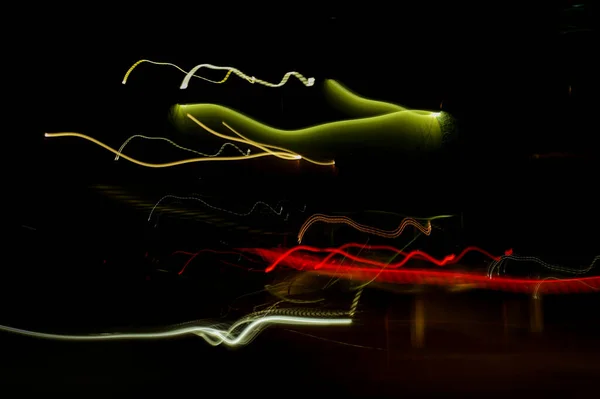
For more creative inspiration, explore light and motion in abstract photography to see how filters can be used in experimental work.
Common Mistakes to Avoid
While filters are powerful tools, improper use can lead to disappointing results. Here are some pitfalls to watch out for:
- Overusing Filters: Not every scene requires a filter. Use them purposefully to solve specific problems or achieve a desired effect.
- Ignoring Color Casts: Cheap or low-quality filters may introduce unwanted color shifts. Always check your images and consider using custom white balance if needed.
- Forgetting to Remove Filters: Leaving an ND or polarizer on when it’s not needed can reduce image quality or cause exposure issues.
To deepen your understanding of how light interacts with your subject, you can read this comprehensive guide to light in photography.
FAQ: Filters and Light Control
What is the main benefit of using filters in photography?
Filters allow you to manage challenging lighting conditions, reduce glare, balance exposures, and enhance colors directly in-camera. This gives you more creative control and can minimize the need for post-processing adjustments.
Can I stack different filters together?
Yes, you can combine filters such as a polarizer and an ND filter for compounded effects. However, stacking too many filters can cause vignetting or reduce image sharpness, especially on wide-angle lenses. Always check your composition and image quality when stacking.
Do filters affect autofocus or image sharpness?
High-quality filters have minimal impact on autofocus and sharpness. However, low-quality or dirty filters can degrade image quality. It’s important to invest in reputable brands and keep your filters clean for optimal results.
Conclusion
Learning to use filters for light management is a practical way to elevate your photography. By understanding the strengths and limitations of each filter type, you can confidently tackle a variety of lighting scenarios and unlock new creative possibilities. Whether you’re striving for technical perfection or artistic expression, filters are indispensable tools in any photographer’s kit.
This article contains affiliate links. We may earn a commission at no extra cost to you.
This article contains affiliate links. We may earn a commission at no extra cost to you.
This article contains affiliate links. We may earn a commission at no extra cost to you.