

Creating Drama with Lighting
Lighting is one of the most powerful tools in a photographer’s arsenal. The way you shape, position, and control light can completely transform a scene, adding intensity, mood, and visual interest. Whether you’re capturing portraits, landscapes, or urban scenes, creating drama with lighting is about more than just illuminating your subject—it’s about telling a compelling story through contrast, color, and shadow.
Mastering dramatic lighting techniques can elevate your images, making them stand out and resonate emotionally with viewers. By understanding how to manipulate light sources, use shadows creatively, and experiment with exposure, you can bring a sense of energy and depth to your photography. For those interested in exploring related techniques, you might also enjoy reading about creative use of blur and sharpness to further enhance the mood in your images.
Understanding the Elements of Dramatic Lighting
To achieve a sense of drama in your photos, it’s essential to understand the core elements that contribute to a striking lighting setup. These include:
- Contrast: High contrast between light and shadow draws the viewer’s eye and adds depth.
- Direction: The angle and placement of your light source can sculpt your subject and emphasize textures.
- Color Temperature: Warm or cool tones can evoke different emotions and set the mood.
- Intensity: Adjusting the brightness of your light source helps control the overall feel—subtle or bold.
By combining these elements, you can create images that are visually engaging and emotionally impactful. For a deeper dive into the science and artistry behind these concepts, check out this comprehensive guide to mastering light in photography.
Techniques for Adding Mood and Impact
There are several practical methods photographers use to introduce drama into their work. Here are some of the most effective:
1. Using Hard Light for Strong Shadows
Hard light—produced by small, focused sources like direct sunlight or a bare flash—creates crisp, defined shadows. This technique is perfect for emphasizing form and adding a sense of mystery or tension. Position your light at an angle to your subject to maximize shadow play and highlight textures.
2. Backlighting and Rim Lighting
Placing your light source behind your subject can create a glowing outline, known as rim lighting. This effect separates the subject from the background and adds a cinematic quality to your images. Experiment with exposure to control how much detail remains in the shadows versus the highlights.
3. Low-Key and High-Key Setups
Low-key photography uses predominantly dark tones and minimal lighting to create a moody, dramatic effect. High-key setups, on the other hand, use bright, even lighting for a more ethereal feel. Both approaches can be used to tell different stories and evoke specific emotions.
Creative Approaches to Dramatic Lighting
Beyond the basics, there are advanced techniques that can further enhance the sense of drama in your photos:
- Colored Gels: Adding colored gels to your lights can introduce bold hues and shift the mood of your scene.
- Silhouettes: Exposing for the background and letting your subject fall into shadow creates striking, graphic shapes.
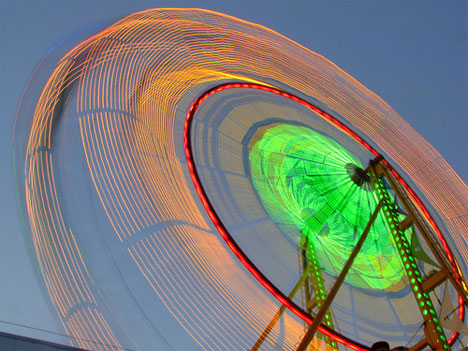
- Motion Blur: Combining dramatic lighting with intentional blur can add energy and movement to your images. For more on this, see our article on how to photograph car motion.
Practical Tips for Achieving Dramatic Results
When aiming to infuse your photography with drama, consider these practical tips:
- Scout Your Location: Look for environments with interesting natural or artificial light sources, such as streetlights, neon signs, or windows.
- Control Ambient Light: Use flags, reflectors, or blackout curtains to block unwanted light and focus attention where you want it.
- Experiment with Angles: Move around your subject to see how different lighting directions affect the mood and composition.
- Adjust Exposure: Slight underexposure can deepen shadows and enhance contrast, while overexposure can wash out details for a high-key effect.
- Combine Techniques: Don’t be afraid to mix hard and soft light, or blend natural and artificial sources for unique results.
For those interested in how light can create rhythm and flow within a composition, our article on using light for visual rhythm offers additional insights.

Common Mistakes and How to Avoid Them
While experimenting with dramatic lighting, photographers sometimes encounter pitfalls that can detract from the final image. Here are a few to watch out for:
- Overexposing Highlights: Intense light can easily blow out details. Use your camera’s histogram to ensure you’re not losing important information.
- Flat Lighting: Avoid placing your light source directly in front of your subject, as this can eliminate shadows and reduce depth.
- Ignoring White Balance: Mixed lighting sources can result in unwanted color casts. Set your white balance manually for consistent tones.
- Neglecting the Background: A cluttered or brightly lit background can distract from your subject. Use shallow depth of field or position your subject carefully.
Learning from these common mistakes will help you refine your technique and consistently achieve more striking, professional results.
Frequently Asked Questions
What types of lighting equipment are best for dramatic effects?
Both natural and artificial light sources can be used to create drama. Speedlights, LED panels, and studio strobes offer control and flexibility. Modifiers like softboxes, grids, and reflectors help shape the light. For beginners, a single off-camera flash is a versatile starting point.
How can I create dramatic lighting on a budget?
You don’t need expensive gear to achieve bold results. Household lamps, flashlights, or even candles can be used creatively. Experiment with positioning and modifiers—such as sheets, curtains, or cardboard—to control and direct the light.
Can dramatic lighting be used outdoors?
Absolutely. Natural light at sunrise or sunset (the golden hour) is ideal for dramatic effects. Look for strong directional light, such as sunlight streaming through trees or buildings, and use reflectors or diffusers to shape it as needed.
Conclusion
Mastering the art of creating drama with lighting can transform ordinary scenes into visually compelling stories. By understanding the principles of contrast, direction, and color, and by experimenting with different techniques, you’ll develop a unique style that captivates viewers. For more inspiration on working with light, explore our insights on light intensity photography and using long exposure for water. With practice and creativity, you’ll find endless ways to make your images stand out through the power of light.
This article contains affiliate links. We may earn a commission at no extra cost to you.
This article contains affiliate links. We may earn a commission at no extra cost to you.
This article contains affiliate links. We may earn a commission at no extra cost to you.
This article contains affiliate links. We may earn a commission at no extra cost to you.
This article contains affiliate links. We may earn a commission at no extra cost to you.