

How to Capture Emotion with Light
Light is one of the most powerful tools in a photographer’s arsenal. It shapes the mood, guides the viewer’s eye, and can transform an ordinary scene into something deeply moving. Understanding how to capture emotion with light is essential for anyone looking to create images that resonate on a personal level. Whether you’re working with natural daylight or artificial sources, the way you use illumination can dramatically affect the emotional impact of your photos.
In this guide, we’ll explore practical techniques and creative approaches to evoke feeling through your lighting choices. We’ll also highlight how different qualities of light—such as direction, color, and intensity—can be used to convey specific moods. For those interested in expanding their skills, you might also find inspiration in using light for visual rhythm, which explores another dimension of expressive photography.
Understanding the Emotional Power of Light
Light does more than just illuminate a subject; it sets the tone and atmosphere of an image. Soft, diffused lighting often creates a sense of calm or nostalgia, while harsh, directional light can introduce drama or tension. The interplay between highlights and shadows can suggest mystery, hope, or melancholy, depending on how it’s used.
For example, a portrait lit with gentle window light might evoke warmth and intimacy, while a scene with strong backlighting could feel ethereal or even lonely. The emotional response is shaped by both the technical and creative decisions you make with your lighting setup.
Key Techniques for Evoking Feeling with Illumination
To effectively communicate emotion through your images, consider these essential lighting strategies:
- Direction: The angle of your light source dramatically influences mood. Side lighting enhances texture and depth, often adding a sense of drama. Backlighting can create silhouettes, emphasizing shape and mystery.
- Quality: Soft light, such as that from a cloudy sky or a large diffuser, produces gentle transitions between light and shadow, ideal for conveying tranquility. Hard light, from a bare bulb or midday sun, creates sharp contrasts and can heighten intensity.
- Color Temperature: Warm tones (yellows and reds) typically evoke comfort and happiness, while cooler tones (blues and greens) can suggest sadness or serenity. Adjusting white balance or using gels can help you fine-tune the emotional undertone.
- Intensity: Bright, high-key lighting often feels energetic and optimistic, while low-key setups with deep shadows can feel moody or introspective.
Experimenting with these variables allows you to tailor the emotional message of your photographs. If you’re interested in more advanced lighting concepts, the article on light intensity photography provides further insights into controlling exposure for creative effect.
Practical Examples: Using Light to Express Emotion
Let’s look at some real-world scenarios where lighting choices directly influence the emotional tone of an image:
- Portraits: Positioning your subject near a window with soft, natural light can create a sense of vulnerability or peace. Adding a reflector to fill in shadows can soften the look even further.
- Street Photography: Shooting during golden hour, when the sun is low, bathes scenes in warm, flattering light that often feels nostalgic or hopeful.
- Night Scenes: Utilizing artificial lights—such as neon signs or street lamps—can introduce a sense of isolation or urban energy, depending on the context and color palette.
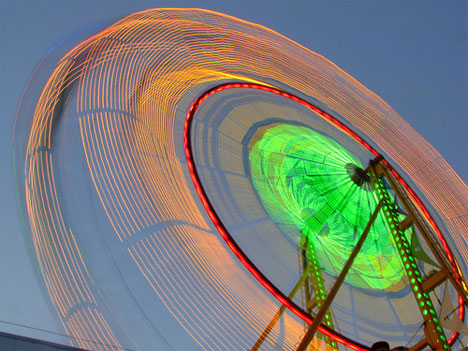
- Motion and Blur: Combining creative lighting with motion blur can amplify feelings of excitement, chaos, or movement. For more on this topic, see the guide to creative use of blur and sharpness.
Creative Approaches for Emotional Impact
Beyond technical mastery, creativity plays a crucial role in using light to stir emotion. Here are a few ideas to inspire your next shoot:
- Experiment with Shadows: Deep shadows can add a sense of mystery or tension. Try positioning your subject so that only part of their face is illuminated, leaving the rest in darkness.
- Play with Color Gels: Adding colored gels to your lights can instantly change the mood. Reds and oranges feel passionate or urgent, while blues and purples evoke calm or melancholy.
- Use Reflections and Diffusion: Shooting through frosted glass, sheer curtains, or even a rainy window can soften light and add a dreamy, introspective quality to your images.
- Motion and Light Trails: Incorporating movement, such as light painting or long exposures, can create dynamic, energetic photos that convey excitement or chaos. For more on this, check out how to photograph car motion.

Natural vs. Artificial: Choosing the Right Source
Both natural and artificial light have unique advantages when it comes to expressing emotion. Natural light is often softer and more variable, making it ideal for candid, organic moments. Artificial lighting, on the other hand, offers precise control over direction, intensity, and color, allowing for more deliberate mood creation.
For those new to working with daylight, the natural light photography tutorial provides an excellent overview of techniques and considerations. Understanding how to balance and modify both types of light will expand your creative options and help you better convey the feelings you want to express.
Tips for Mastering Emotional Lighting
- Observe the Environment: Pay attention to how light changes throughout the day and how it interacts with your subject and surroundings.
- Pre-visualize the Mood: Before you shoot, decide what emotion you want to convey and plan your lighting accordingly.
- Experiment and Review: Don’t be afraid to try unconventional setups. Review your images and adjust your approach based on what works best for your vision.
- Use Tools Wisely: Modifiers like reflectors, diffusers, and gels can help you sculpt light to achieve the desired emotional effect.
- Learn from Others: Study the work of photographers who excel at using light expressively. Analyze how their choices impact the mood of their images.
For those interested in exploring long exposure techniques, especially for landscapes or water scenes, the article on using long exposure for water offers practical advice for creating serene or dramatic effects.
Frequently Asked Questions
What type of light is best for capturing emotion in portraits?
Soft, diffused light—such as that from a window or a large softbox—tends to be most flattering for portraits and helps convey warmth, intimacy, or vulnerability. However, dramatic side or backlighting can also be used to introduce tension or mystery, depending on the desired mood.
How can I use color to influence the emotional tone of my photos?
Color temperature plays a significant role in emotional perception. Warm tones like yellow and orange evoke happiness and comfort, while cooler tones like blue and green can create a sense of calm or sadness. Using colored gels or adjusting your white balance allows you to fine-tune the mood of your images.
Are there any recommended resources for learning more about lighting techniques?
Yes, there are many excellent tutorials and articles available. For a comprehensive introduction to working with daylight, consider the natural light photography tutorial. Exploring articles on topics like light intensity photography and creative use of blur and sharpness can also deepen your understanding of expressive lighting.
Mastering the art of using light to evoke emotion takes practice, observation, and a willingness to experiment. By understanding the principles outlined here and exploring related resources, you’ll be well on your way to creating images that truly connect with viewers on an emotional level.
This article contains affiliate links. We may earn a commission at no extra cost to you.
This article contains affiliate links. We may earn a commission at no extra cost to you.
This article contains affiliate links. We may earn a commission at no extra cost to you.
This article contains affiliate links. We may earn a commission at no extra cost to you.