

Understanding Color Light in Photos
Capturing compelling images involves more than just framing and focus. One of the most influential elements in photography is color light. The way light interacts with a scene can dramatically alter mood, depth, and the overall impact of a photograph. Whether you are a beginner or an experienced photographer, gaining insight into how different hues and lighting conditions affect your images is essential for creative control and technical excellence.
This guide explores the principles behind color and light, how they work together in photography, and practical techniques for using them to enhance your work. If you are interested in expanding your knowledge further, you may also want to explore using light for visual rhythm, which delves into advanced lighting concepts.
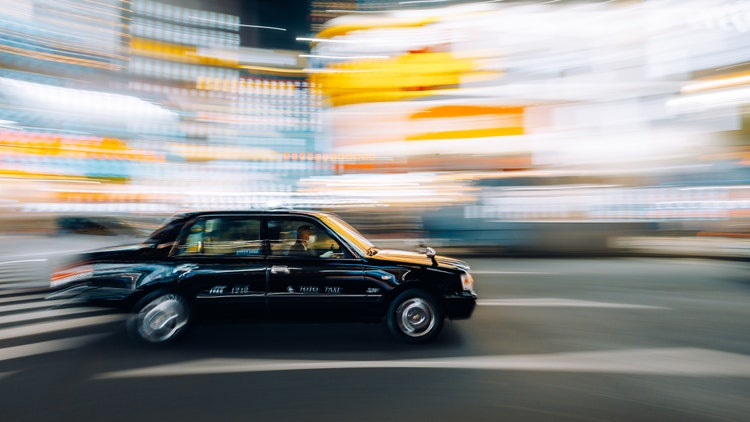
The Science Behind Color and Light in Photography
To fully appreciate how color and light shape photographs, it helps to understand some basic science. Light is made up of different wavelengths, each corresponding to a particular color. When light hits an object, some wavelengths are absorbed while others are reflected. The colors we perceive in a photo depend on which wavelengths reach our eyes or the camera sensor.
In photography, the color temperature of light is measured in Kelvin (K). Lower values (around 2,000–3,000K) produce warm, yellowish tones, while higher values (above 5,000K) create cooler, bluish hues. The time of day, weather, and artificial lighting all influence the color temperature and, consequently, the mood of your images.
Understanding these principles allows photographers to anticipate how different lighting conditions will affect the final result. For a deeper dive into the role of natural illumination, check out this comprehensive guide to natural light photography.
How Color Light Impacts Mood and Storytelling
Color is a powerful storytelling tool in photography. The hues present in an image can evoke specific emotions and direct the viewer’s attention. For example, warm tones like reds and oranges often convey energy, excitement, or comfort, while cool tones such as blues and greens can suggest calmness, melancholy, or distance.
Photographers use these associations to reinforce the narrative of their images. By intentionally choosing the time of day or adjusting white balance settings, you can control the emotional tone of your photos. Experimenting with different lighting sources—natural sunlight, tungsten bulbs, or LED panels—also allows for creative expression through color.

Techniques for Controlling Color Light in Your Photos
Mastering the use of color light requires both technical skill and creative vision. Here are some practical techniques to help you harness the power of color in your photography:
- White Balance Adjustment: Most cameras allow you to manually set the white balance. Adjusting this setting helps neutralize unwanted color casts and ensures accurate color reproduction.
- Use of Filters: Color correction filters can be placed over your lens to enhance or modify the color temperature of your images. For example, a warming filter can add golden tones to a scene shot under cool daylight.
- Light Modifiers: Reflectors, diffusers, and gels can be used to manipulate the quality and color of light hitting your subject. Gels, in particular, are useful for adding creative color effects to artificial lighting setups.
- Post-Processing: Editing software enables fine-tuning of color balance, saturation, and contrast. Adjusting these parameters can help you achieve the desired mood or correct color imbalances caused by mixed lighting sources.
For those interested in dynamic effects, exploring the creative use of blur and sharpness can further enhance the interplay between color and light in your compositions.
Common Lighting Scenarios and Their Effects on Color
Different lighting situations present unique challenges and opportunities for photographers. Here are a few common scenarios and how they impact the colors in your images:
- Golden Hour: The period shortly after sunrise or before sunset produces soft, warm light that flatters skin tones and adds a magical glow to landscapes.
- Blue Hour: The time just before sunrise or after sunset casts a cool, blueish hue, ideal for moody cityscapes or tranquil scenes.
- Artificial Light: Streetlights, neon signs, and indoor bulbs can introduce strong color casts. Balancing these with your camera’s white balance or using gels can help manage unwanted tints.
- Mixed Lighting: Shooting in environments with multiple light sources (e.g., daylight and fluorescent) can result in complex color shifts. Manual white balance and selective editing are essential in these cases.

Tips for Beginners: Getting Started with Color Light
If you are new to photography, experimenting with color light can be both fun and educational. Here are some tips to help you get started:
- Observe Natural Light: Pay attention to how sunlight changes throughout the day and how it affects the colors in your environment.
- Practice with Different Sources: Try shooting under various artificial lights, such as lamps or LEDs, to see how they influence your images.
- Experiment with White Balance: Take the same photo using different white balance presets to understand their impact on color rendition.
- Review and Analyze: Compare your photos and note how different lighting conditions alter the mood and appearance of your subjects.
For those interested in motion and dynamic effects, learning how to photograph car motion can provide additional insights into working with light and color in fast-paced environments.
Advanced Approaches: Creative Color Lighting Techniques
Once you are comfortable with the basics, you can explore more advanced techniques to push your creative boundaries. Here are a few ideas:
- Colored Gels: Place colored gels over your light sources to cast dramatic hues and create unique atmospheres.
- Light Painting: Use handheld lights or glow sticks to "paint" color into long-exposure shots, adding movement and vibrancy.
- Split Toning: In post-processing, apply different color tones to highlights and shadows for a cinematic effect.
- Intentional Color Casts: Sometimes, embracing a strong color cast can enhance the story or mood of your image, especially in creative or abstract photography.
For more inspiration on using slow shutter speeds and color, take a look at creative slow shutter shots and see how motion and light can combine for stunning results.
Frequently Asked Questions
How does white balance affect the colors in my photos?
White balance determines how your camera interprets the color temperature of the light in a scene. Setting it correctly ensures that whites appear neutral and other colors are rendered accurately. Incorrect white balance can result in unwanted color casts, such as overly blue or yellow images.
What is the best lighting for capturing vibrant colors?
Natural daylight, especially during the golden hour, often produces the most vibrant and pleasing colors. Overcast conditions can also be beneficial, as clouds diffuse sunlight and reduce harsh shadows. If shooting indoors, using daylight-balanced bulbs or adding color-correcting filters can help maintain color accuracy.
Can I fix color issues in post-processing?
Yes, most color issues can be corrected in editing software. Adjusting white balance, saturation, and hue allows you to fine-tune the colors in your images. However, it’s best to capture the most accurate colors possible in-camera to minimize the need for extensive corrections later.
Conclusion
Mastering the interplay between color and light is a key skill for any photographer. By understanding how different lighting conditions affect color, and by practicing techniques to control and enhance these effects, you can create more impactful and visually appealing images. Continue exploring related topics, such as using long exposure for water, to further expand your creative toolkit and elevate your photography.
This article contains affiliate links. We may earn a commission at no extra cost to you.
This article contains affiliate links. We may earn a commission at no extra cost to you.
This article contains affiliate links. We may earn a commission at no extra cost to you.
This article contains affiliate links. We may earn a commission at no extra cost to you.