

How Light Affects Photography
Understanding how light affects photography is fundamental for anyone looking to improve their images, whether using a smartphone or a professional camera. Light is the core element that shapes every photograph, influencing exposure, color, mood, and even the story an image tells. By learning to recognize and control different lighting conditions, photographers can elevate their work and consistently achieve the results they envision.
This article explores the essential role of light in photography, from the science behind exposure to practical tips for working with natural and artificial sources. Along the way, you’ll find guidance on using light creatively, as well as a helpful resource on the impact of light in photographic composition. Whether you’re a beginner or looking to refine your technique, understanding the nuances of lighting will help you make more intentional and striking images.
The Fundamental Role of Light in Image Creation
At its core, photography is the art of capturing light. Every camera, from the simplest point-and-shoot to advanced DSLRs, records the way light interacts with a scene. The direction, quality, and intensity of illumination determine how subjects appear, what details are visible, and the overall atmosphere of the photo.
Light can be soft or harsh, warm or cool, direct or diffused. Each of these characteristics impacts the final image in unique ways. For example, soft, diffused light on a cloudy day reduces shadows and creates gentle transitions, while harsh midday sun produces strong contrasts and deep shadows. Recognizing these differences allows photographers to make informed choices about when and how to shoot.
Exposure: Balancing Light for the Perfect Shot
One of the most important aspects of how light affects photography is exposure—the amount of light that reaches the camera sensor. Exposure is controlled by three main settings: aperture, shutter speed, and ISO.
- Aperture: The size of the lens opening. A wider aperture lets in more light, resulting in brighter images and a shallower depth of field.
- Shutter Speed: The length of time the shutter remains open. Faster speeds freeze motion, while slower speeds can create motion blur or allow more light in low-light situations.
- ISO: The sensitivity of the camera sensor. Higher ISO values make the sensor more sensitive to light, which is useful in darker environments but can introduce noise.
Mastering the relationship between these settings is essential for achieving correct exposure in any lighting condition. Too much light results in overexposed, washed-out images, while too little light leads to underexposed, dark photos.
Natural Versus Artificial Lighting
Photographers often work with two main types of light: natural and artificial. Each offers distinct advantages and challenges.
Working with Natural Light
Sunlight is the most common natural light source. Its quality changes throughout the day, affecting the mood and color of photos. Early morning and late afternoon, often called the “golden hour,” provide soft, warm light that flatters portraits and landscapes. Midday sun, on the other hand, can be harsh and unflattering, creating deep shadows and high contrast.
Overcast days act as a giant diffuser, softening shadows and reducing contrast. This is ideal for even, balanced exposures, especially in portrait or macro photography.
Using Artificial Light Sources
Artificial lighting includes everything from household bulbs to professional studio strobes and LED panels. These sources offer control and consistency, allowing photographers to shape light precisely. Flash units can freeze motion or fill in shadows, while continuous lights help with composition and focus in real time.
The color temperature of artificial lights can vary, affecting the overall tone of an image. Understanding how to balance or modify these sources—using gels, diffusers, or reflectors—enables creative control over the final result.
Creative Effects: Manipulating Light for Artistic Impact
Beyond technical considerations, light can be used creatively to evoke emotion, highlight subjects, or add drama. Techniques such as backlighting, silhouette creation, and long exposures all rely on manipulating illumination for artistic effect.
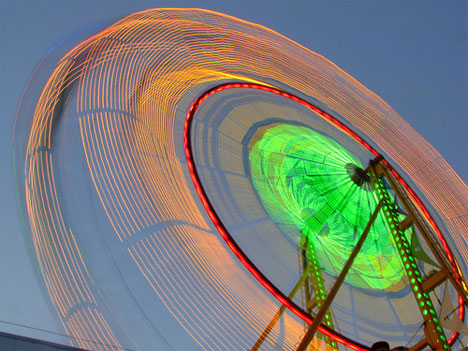
For example, shooting into the sun can create striking silhouettes, while using slow shutter speeds at night captures light trails and motion blur. Experimenting with different light sources and directions can transform ordinary scenes into visually compelling images.

Color Temperature and White Balance
The color of light, measured in Kelvin, affects the mood and accuracy of photos. Warm light (lower Kelvin values) creates a cozy, inviting atmosphere, while cool light (higher Kelvin values) feels crisp and clinical. Cameras interpret these colors differently, so adjusting white balance is crucial for true-to-life results.
Most cameras offer presets for common scenarios—daylight, shade, tungsten, fluorescent—or allow manual adjustments. Correcting white balance ensures that whites appear neutral and colors remain consistent, regardless of the light source.
Tips for Mastering Lighting in Your Photography
- Observe the Light: Pay attention to how light falls on your subject and the scene. Notice the direction, quality, and color.
- Use Reflectors and Diffusers: These tools help control shadows and soften harsh light, especially in portraits.
- Experiment with Angles: Changing your position relative to the light source can dramatically alter the look of your photo.
- Embrace Golden and Blue Hours: Early morning and late evening offer unique lighting opportunities for stunning images.
- Adjust Camera Settings: Don’t be afraid to tweak aperture, shutter speed, and ISO to adapt to changing conditions.
Frequently Asked Questions
Why is light so important in photography?
Light determines exposure, color, and mood in every photograph. Without proper illumination, images can appear flat, lack detail, or miss the intended atmosphere. Mastery of lighting allows photographers to create visually compelling and technically sound photos.
How does the time of day affect my photos?
The quality and color of natural light change throughout the day. Early morning and late afternoon provide soft, warm tones, while midday sun is harsher and creates strong shadows. Understanding these shifts helps photographers plan shoots for the desired effect.
What is the difference between hard and soft light?
Hard light comes from small, direct sources and creates sharp shadows and high contrast. Soft light is diffused, often from larger sources or through clouds, producing gentle transitions and flattering portraits. Both types can be used creatively depending on the subject and desired mood.
How can I improve my photos in low-light conditions?
In low-light situations, use a wider aperture, slower shutter speed, or higher ISO to allow more light into the camera. Stabilize your camera with a tripod to avoid blur, and consider adding artificial light sources or using a flash for better results.
For more in-depth information on the subject, visit this comprehensive guide to light in photography.