

Flash Duration and Motion
Understanding how flash duration and motion interact is essential for photographers aiming to capture crisp, dynamic images. The relationship between the length of a flash burst and the movement of a subject can make the difference between a sharp, frozen moment and a blurred, indistinct photograph. Whether you're shooting sports, dance, wildlife, or creative studio work, mastering this aspect of lighting will give you greater control over your results.
Many photographers focus on shutter speed when thinking about freezing action. However, the duration of your flash—how long the burst of light actually lasts—can be just as important, especially in low-light or studio environments. By learning how these elements work together, you can achieve the desired effect, whether that's stopping motion entirely or artistically blending blur and clarity.
For those interested in exploring the creative side of lighting, you may want to read about creative light shadows photography for more inspiration on how light and movement interact in photography.
What Is Flash Duration?
Flash duration refers to the actual time span that a flash emits light during a single burst. It's typically measured in fractions of a second, often expressed as t.1 or t.5 values. The t.1 value is the time during which the flash output is above 10% of its peak intensity, while t.5 is the time above 50%. For freezing fast action, the t.1 value is more relevant, as it represents the period when most of the exposure is being made.
Shorter flash durations (such as 1/2000s or faster) are better for freezing rapid movement. Longer durations may result in motion blur, especially if your subject is moving quickly. This makes flash duration a critical specification to consider when selecting lighting equipment for action photography.
The Relationship Between Flash and Subject Movement
When photographing moving subjects, both the camera's shutter speed and the flash duration influence the final image. In a dark environment where the flash is the primary light source, the flash duration effectively becomes your "shutter speed" for freezing motion. If the flash is very brief, it can capture a razor-sharp image of a fast-moving subject, regardless of the camera's actual shutter speed (as long as ambient light is minimal).
However, if there is significant ambient light or the flash duration is relatively long, you may see motion blur caused by the subject's movement during the exposure. This is why understanding and controlling both flash and ambient exposure is crucial for action shots.
How Flash Duration Affects Motion Blur
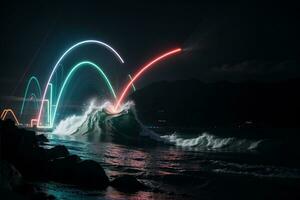
The ability to freeze or blur motion depends on how long the subject is illuminated. If the flash fires for only 1/5000s, any movement during that tiny window is effectively stopped in the image. If the burst lasts 1/200s, a fast-moving subject may appear blurred, as it has time to move during the exposure.
For example, when photographing a dancer leaping across a stage, a short flash duration will capture every detail sharply, from the tips of their fingers to the flow of fabric. A longer flash duration, or a mix of flash and ambient light, can create a sense of motion by allowing some blur, which can be used creatively.
It's important to note that not all flashes are created equal. Some studio strobes and speedlights offer adjustable power settings, which can affect flash duration. Lower power settings often result in shorter bursts, making them better suited for freezing action.
Balancing Shutter Speed and Flash for Moving Subjects
In situations with significant ambient light, both the camera's shutter speed and the flash duration play a role in determining motion blur. The shutter speed controls how much ambient light is recorded and how much movement is captured outside the flash burst. The flash duration, meanwhile, determines how much of the subject's movement is frozen during the burst of light.
To minimize blur, use a fast shutter speed in combination with a short flash duration. If you want to introduce creative blur, slow down the shutter speed to allow more ambient light and movement to be recorded, while still using the flash to add sharpness to certain parts of the image.
For a deeper dive into how exposure time affects your images, you can check out this guide on understanding exposure time.
Choosing the Right Lighting Equipment
When selecting lighting gear for action photography, pay close attention to the manufacturer's specifications for flash duration. Some flashes are optimized for high-speed work, offering extremely short bursts at lower power settings. Others may have longer durations, which are better suited for portraits or still life.
Look for flashes that specify t.1 durations, as these are more indicative of real-world performance when freezing motion. Speedlights often have shorter flash durations at lower power, while some studio strobes maintain fast bursts even at higher outputs. Testing your equipment with moving subjects can help you understand its capabilities and limitations.
For more on how different lighting setups can affect your images, you might find the article on broad lighting vs short lighting helpful.
Creative Uses of Motion and Flash
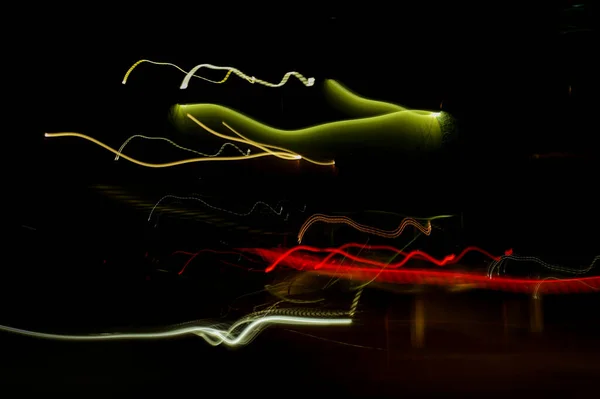
While many photographers aim to eliminate blur, combining motion and flash can produce striking artistic effects. By balancing ambient exposure and flash, you can create images where part of the subject is sharp and another part is blurred, suggesting movement and energy. Techniques like rear curtain sync (where the flash fires at the end of the exposure) can enhance this effect, making light trails or ghostly patterns behind a sharply defined subject.
Experimenting with different flash durations and shutter speeds opens up a world of creative possibilities. Whether you want to freeze a splash of water or capture the dynamic flow of a dancer, understanding the interplay between light and movement is key.
To further explore dramatic lighting styles, consider reading about chiaroscuro in photography, which delves into the use of strong contrasts between light and shadow.
Practical Tips for Freezing or Blurring Motion
- Use the lowest possible flash power for the shortest duration when you need to freeze very fast action.
- Control ambient light by lowering ISO, closing the aperture, or increasing shutter speed to ensure the flash is the dominant light source.
- Test your setup with moving subjects to see how your specific flash handles action at different power levels.
- Experiment with rear or front curtain sync to control how motion blur appears in your images.
- Combine flash with longer exposures for creative effects, blending sharpness and blur.
For further reading on working with natural and artificial light, the Cambridge in Colour tutorial on natural light photography provides an excellent overview of lighting fundamentals.
Frequently Asked Questions
How does flash duration differ from shutter speed?
Flash duration is the length of time the flash emits light, while shutter speed is how long the camera's sensor is exposed to light. In low-light situations where flash is the primary light source, the flash duration often determines how much motion is frozen, not the shutter speed.
Can I freeze motion with any flash?
Not all flashes are equally effective at freezing motion. Flashes with shorter t.1 durations are better for stopping fast action. Check your flash's specifications and test it at different power levels to find the best settings for your needs.
What settings should I use to avoid motion blur?
Use a low flash power for a shorter burst, a fast shutter speed to limit ambient light, and ensure your subject is primarily lit by the flash. Adjust ISO and aperture as needed to balance exposure and minimize blur.