

How to Capture Motion Indoors
Photographing movement inside presents unique challenges and opportunities. Whether you're documenting dancers, athletes, children at play, or creative light trails, understanding how to capture motion indoors can help you produce dynamic, visually striking images. Indoor environments often mean lower light and less space, requiring careful attention to camera settings, lighting, and technique. This guide will walk you through the essential steps and tips to freeze or blur action effectively, even when shooting inside.
Before diving into techniques, it's important to note that mastering indoor motion photography involves a blend of technical knowledge and creative experimentation. For those looking to further refine their approach, exploring topics like motion photography camera settings can provide additional insight into optimizing your results.
Understanding the Basics of Indoor Motion Photography
Capturing movement indoors requires balancing several factors: available light, subject speed, and the effect you want to achieve. Do you want to freeze the action sharply, or create a sense of movement with intentional blur? The answer will guide your choices for shutter speed, aperture, ISO, and lighting.
- Shutter Speed: The most critical setting for motion. Fast shutter speeds (1/250s or faster) freeze action, while slower speeds (1/30s or slower) introduce blur.
- Aperture: A wider aperture (lower f-number) lets in more light, which is helpful indoors, but also affects depth of field.
- ISO: Increasing ISO boosts your camera's sensitivity to light, allowing for faster shutter speeds, but can introduce noise.
- Lighting: Indoor lighting is often weaker than daylight. Supplementing with artificial lights or flashes can make a significant difference.
For a deeper understanding of how your camera measures and responds to light, check out light metering explained.
Choosing the Right Equipment for Indoor Action Shots
While you can capture movement with almost any camera, certain gear will make the process smoother and more reliable. Here are some recommendations:
- Camera: DSLRs and mirrorless cameras offer the most control, but many advanced compacts also perform well indoors.
- Lenses: Fast prime lenses (f/1.8, f/2.8) are ideal for low-light conditions and provide beautiful background blur. Zoom lenses with image stabilization can also help.
- Tripod or Monopod: Useful for panning shots or when using slower shutter speeds to create motion blur.
- External Flash or Continuous Lighting: Adding light can help freeze action and improve image quality. For those looking to invest in lighting, consider options like photography lighting kits.
Mastering Camera Settings for Motion Indoors
Getting the right exposure and motion effect indoors means adjusting your camera thoughtfully. Here are some tips for setting up your camera:
Freezing Fast Action
To capture sharp images of moving subjects, use a fast shutter speed. Start at 1/250s and increase as needed for very quick movements. Open your aperture wide (such as f/2.8) and raise your ISO until you achieve a well-exposed image. If possible, use burst mode to increase your chances of getting the perfect moment.
Creating Motion Blur
Sometimes, a sense of movement is more compelling than a frozen moment. To achieve this, slow your shutter speed to 1/30s or lower. Use a tripod to steady your camera, and ask your subject to move through the frame. Experiment with panning—moving your camera along with the subject—to keep them sharp while blurring the background.
For more creative inspiration, explore creative exposure techniques that can add drama and energy to your photos.
Lighting Techniques for Indoor Motion Photography
Light is the foundation of every photograph, but it plays an even more critical role when capturing movement indoors. Here are some strategies to improve your lighting:
- Use Available Light: Position your subject near windows or under the brightest indoor lights. Avoid mixed lighting (e.g., daylight and tungsten) to prevent color casts.
- Add Artificial Light: Continuous LED panels or flashes can help you use faster shutter speeds. Bounce flash off walls or ceilings for softer, more natural-looking results.
- Control Light Direction: Side lighting can emphasize movement and texture, while backlighting can create dramatic silhouettes or rim lighting effects.
To dive deeper into the science and art of lighting, visit this resource on mastering light in photography.
Creative Ideas for Indoor Motion Shots
Once you've mastered the technical aspects, try experimenting with different subjects and styles:
- Dance and Performance: Use slow shutter speeds to capture flowing movement, or freeze jumps and spins with a burst of light.
- Sports and Action: Indoor sports like basketball or gymnastics offer plenty of fast motion. Anticipate the action and use continuous autofocus.
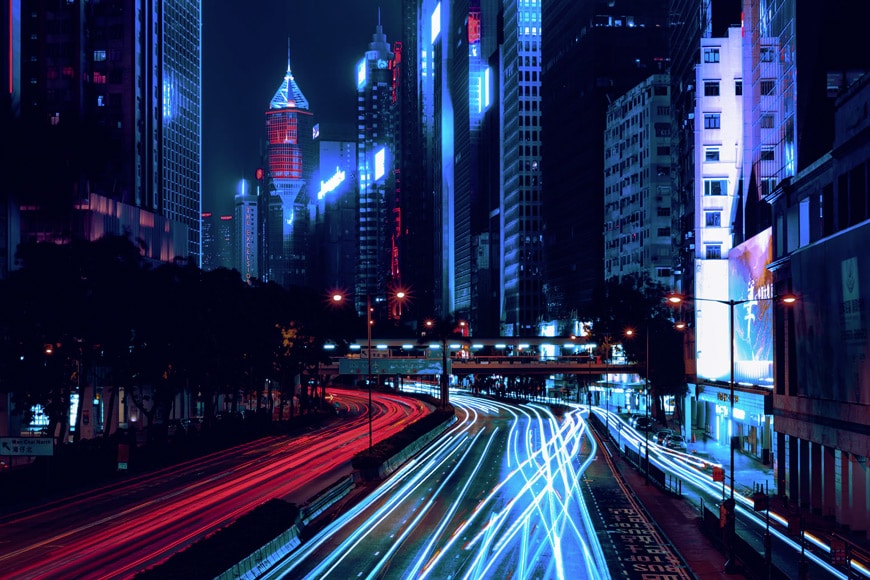
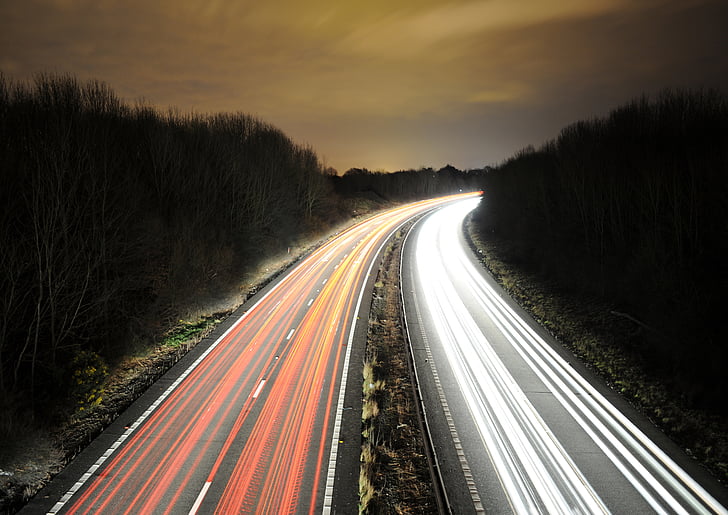
- Light Trails: Use long exposures to capture the path of moving lights, such as glow sticks, sparklers, or neon signs. For more inspiration, explore neon light photography.
- Still Life with Motion: Incorporate movement into still life setups by introducing elements like pouring liquids, falling objects, or spinning props. Learn more about this approach in using motion in still life.
Troubleshooting Common Indoor Motion Photography Issues
Even experienced photographers encounter challenges when working indoors. Here are solutions to some frequent problems:
- Blurry Images: Increase shutter speed, stabilize your camera, or add more light. Use continuous autofocus for moving subjects.
- Excessive Noise: High ISO can introduce grain. Try to add light or use noise reduction software in post-processing.
- Unwanted Color Casts: Set your white balance manually or shoot in RAW for easier color correction later.
- Missed Focus: Use single-point autofocus and track your subject carefully. Pre-focus on a spot if the action is predictable.
FAQ
What shutter speed should I use for indoor motion photography?
The ideal shutter speed depends on your subject's speed and the effect you want. For freezing action, start at 1/250s or faster. For intentional blur, experiment with speeds between 1/30s and 1/8s. Adjust based on your results and available light.
How can I reduce motion blur when shooting indoors?
To minimize unwanted blur, use a faster shutter speed, increase your ISO, open your aperture wider, and add more light if possible. Using a flash or continuous lighting can help freeze movement more effectively.
Is it possible to capture creative motion effects indoors without professional gear?
Yes, you can achieve creative results with basic equipment. Use available light, experiment with slower shutter speeds, and try panning or intentional camera movement. While professional gear offers more control, creativity and practice are just as important.