

Slow Sync Flash Photography
Slow sync flash photography is a creative lighting technique that combines a burst of flash with a slow shutter speed. This approach allows photographers to capture both a well-lit subject and the ambient background, resulting in images that are dynamic, vibrant, and full of motion. Whether you’re shooting portraits at night, capturing action in low light, or experimenting with artistic effects, mastering this method can add a new dimension to your photography toolkit.
Many photographers struggle to balance foreground and background lighting when shooting in dim conditions. Using a standard flash often leads to harsh, isolated subjects with dark, lifeless backgrounds. By learning how to use slow shutter speeds alongside flash, you can create images with balanced exposure, motion trails, and a sense of atmosphere. If you’re interested in exploring other dramatic lighting styles, you might also find value in reading about the split lighting technique for portraits.
Understanding the Basics of Slow Shutter Flash
At its core, this technique involves using a slower shutter speed than you would typically use with flash. The flash freezes your subject, while the longer exposure time allows ambient light to register on the sensor. This results in images where the subject is sharp, but the background is bright and sometimes shows motion blur or light trails.
There are two main types of slow sync flash: front curtain sync and rear curtain sync. Front curtain sync fires the flash at the beginning of the exposure, while rear curtain sync triggers the flash at the end. Rear curtain sync is often preferred for action shots because it places motion trails behind the subject, creating a more natural sense of movement.
When to Use Slow Shutter and Flash Together
This approach is especially useful in low-light environments where you want to capture both your subject and the surrounding atmosphere. Common scenarios include:
- Nighttime portraits with city lights in the background
- Indoor events where ambient lighting sets the mood
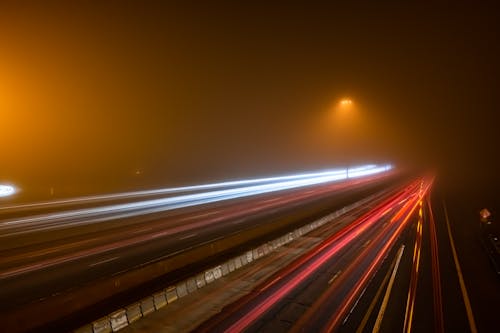
- Creative action shots with light trails
- Concerts, parties, or dance floors where you want to show movement
By using a slow shutter with flash, you avoid the “black hole” effect of typical flash photos and instead create images that feel alive and immersive.

Camera Settings for Creative Results
Getting the most out of this lighting method requires understanding your camera’s manual controls. Here are the key settings to consider:
- Shutter Speed: Typically ranges from 1/30 to several seconds, depending on the effect you want. Slower speeds allow more ambient light and motion blur.
- Aperture: Controls depth of field and the amount of light hitting the sensor. Use a wider aperture (lower f-number) for brighter backgrounds.
- ISO: Adjust ISO to balance sensitivity and noise. Higher ISO can help brighten the background but may introduce grain.
- Flash Power: Lower flash power for subtle fill, or higher for dramatic subject isolation.
- Sync Mode: Set your flash to rear curtain sync for natural-looking motion trails.
Experimenting with these settings will help you find the right balance for your scene. For a deeper dive into how shutter speed affects your images, check out this resource on understanding exposure time.
Tips for Successful Slow Sync Flash Shots
Achieving great results with this technique takes practice and attention to detail. Here are some practical tips:
- Use a tripod or stabilize your camera to prevent unwanted blur from camera shake.
- Direct your subject to stay as still as possible during the exposure, especially if using very slow shutter speeds.
- Experiment with movement—ask your subject to move slightly, or pan the camera to create intentional light trails.
- Control the ambient light by adjusting shutter speed and ISO, not flash power.
- Review your images and adjust settings as needed for the desired effect.
Combining these tips with patience will help you master the art of balancing flash and ambient light.
Common Challenges and How to Overcome Them
Like any advanced lighting technique, using a slow shutter with flash can present challenges. Here are some common issues and solutions:
- Unwanted blur: If your subject moves too much, they may appear ghosted. Use shorter shutter speeds or ask your subject to remain still.
- Overexposed backgrounds: If the ambient light is too strong, reduce ISO or use a narrower aperture.
- Harsh flash shadows: Diffuse your flash or bounce it off a surface for softer light.
- Flash not syncing properly: Make sure your camera and flash are set to the correct sync mode (front or rear curtain).
Troubleshooting these issues will help you gain confidence and consistency in your results.
Creative Applications and Inspiration
This lighting method opens up a world of creative possibilities. Some photographers use it to capture the energy of a dance floor, while others create surreal portraits with streaks of colored light. You can experiment with colored gels on your flash, combine it with long exposure night shots, or blend it with other lighting styles such as chiaroscuro in photography for dramatic effects.
For those new to lighting, there are excellent guides on photography lighting for beginners that can help you understand the basics before diving into more advanced techniques.
Frequently Asked Questions
What is the difference between front curtain and rear curtain sync?
Front curtain sync fires the flash at the start of the exposure, while rear curtain sync triggers it at the end. Rear curtain sync is often preferred for motion effects because it places light trails behind the subject, creating a more natural sense of movement.
Do I need special equipment for this lighting technique?
Most modern cameras and external flashes support slow shutter sync modes. A tripod is highly recommended to prevent camera shake, and a flash with adjustable power and sync settings will give you the most control.
How can I avoid blurry subjects in my photos?
To keep your subject sharp, use a shorter shutter speed, ask your subject to remain still, and ensure your flash is powerful enough to freeze motion. Reviewing your images and adjusting your technique will help minimize unwanted blur.
Can I use this method for daylight photography?
While it’s most commonly used in low-light situations, you can use slow shutter and flash in daylight by using neutral density filters to reduce the amount of light entering the lens, allowing for longer exposures without overexposing the image.
Conclusion
Mastering the use of slow shutter speeds with flash can transform your photography, allowing you to capture both the energy of your subject and the atmosphere of your setting. With practice, experimentation, and a solid understanding of your camera’s controls, you’ll be able to create images that stand out for their depth, vibrancy, and creativity. Don’t hesitate to explore related topics such as blur vs sharpness in photography to further refine your skills and artistic vision.