

Capturing Light Reflections
Mastering the art of capturing light reflections can transform ordinary photographs into visually striking images. Whether you’re a beginner or an experienced photographer, understanding how to work with reflective surfaces and control light is essential for creating dynamic compositions. This guide explores practical techniques, creative ideas, and technical tips to help you make the most of reflective elements in your photography.
Reflections add depth, symmetry, and intrigue to photos. From shimmering water to glossy city streets, reflective surfaces can be found everywhere. By learning to notice and utilize these opportunities, you can elevate your visual storytelling and create images that stand out. For those interested in related creative techniques, exploring creative use of blur and sharpness can further enhance your approach to light and motion.
Understanding the Basics of Reflective Photography
Photographing reflections is about more than just pointing your camera at a shiny surface. It requires an understanding of how light behaves and interacts with different materials. Surfaces like water, glass, metal, and polished stone all reflect light in unique ways. The angle of light, the quality of the surface, and your shooting position all play a role in the final image.
When working with reflections, consider the following:
- Angle of incidence: The direction from which light hits a surface affects how and where the reflection appears.
- Surface texture: Smooth surfaces create clear, mirror-like reflections, while rough or rippled surfaces produce more abstract, distorted effects.
- Lighting conditions: Soft, diffused light often works best for capturing subtle reflections, while harsh light can create strong highlights and deep shadows.
For a deeper dive into the role of light in photography, check out this comprehensive guide to light in photography.
Techniques for Photographing Light Reflections
To achieve compelling results when photographing reflective surfaces, experiment with different techniques and camera settings. Here are some proven methods:
- Use a tripod: Stability is crucial, especially in low light or when using slow shutter speeds to capture more detail in reflections.
- Adjust your perspective: Move around your subject to find the most interesting angle. Sometimes, getting low to the ground or close to the reflective surface can reveal unique compositions.
- Control exposure: Reflections can trick your camera’s metering system. Use exposure compensation or manual mode to avoid blown highlights or underexposed areas.
- Polarizing filters: A circular polarizer can reduce unwanted glare and enhance the clarity of reflections, especially on water or glass.
- Focus carefully: Decide whether you want the reflection, the subject, or both to be sharp. Use manual focus if your camera struggles to lock onto the right area.
Combining these technical skills with creative vision will help you make the most of reflective opportunities in any setting.

Creative Approaches to Reflective Imagery
Beyond technical mastery, creativity plays a major role in making images with reflections truly memorable. Here are some ideas to inspire your next shoot:
- Symmetry and abstraction: Use reflections to create symmetrical compositions or abstract patterns that challenge the viewer’s perception.
- Layering and depth: Combine reflections with real-world elements to add layers and depth to your photos.
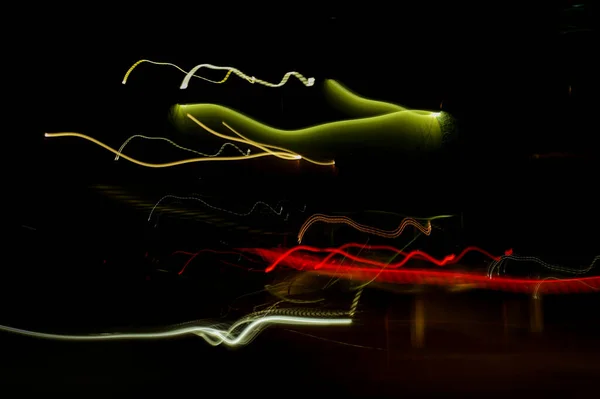
- Motion and blur: Experiment with slow shutter speeds to capture the movement of light across reflective surfaces. This technique can produce dreamy, painterly effects. For more on this, see our article on creative slow shutter shots.
- Night photography: Urban environments at night offer endless opportunities, with neon signs, wet streets, and glass windows all reflecting colorful lights.
Let your surroundings guide you. Sometimes, the most compelling reflections are found in unexpected places, such as puddles after rain, metallic car surfaces, or even sunglasses.
Common Challenges and How to Overcome Them
Working with reflections can present unique obstacles. Here are some common issues and solutions:
- Unwanted reflections: Sometimes, you’ll capture distracting elements (like yourself or your camera) in the reflection. Adjust your angle, use a lens hood, or block the reflection with an object.
- Overexposed highlights: Bright spots can easily become blown out. Use your camera’s histogram to monitor exposure and bracket your shots if needed.
- Focus difficulties: Autofocus may struggle with shiny surfaces. Switch to manual focus for greater control.
- Dirty or streaky surfaces: Clean your reflective subject before shooting to avoid distracting marks or smudges.
Patience and experimentation are key. Each reflective scene is different, and sometimes small adjustments can make a big difference in the final result.
Incorporating Reflections into Your Visual Storytelling
Reflections are more than just a technical trick—they can be a powerful storytelling tool. Use them to suggest duality, create visual metaphors, or add emotional resonance to your images. For example, a portrait reflected in a window can evoke introspection, while a cityscape mirrored in a puddle can highlight contrasts between nature and urban life.
Consider combining reflection techniques with other creative methods, such as using light for visual rhythm or photographing car motion, to produce images that are both technically strong and visually engaging.
Tips for Enhancing Reflections in Post-Processing
Editing software can help you fine-tune your reflective images. Here are some post-processing tips:
- Adjust contrast and clarity: Enhancing these settings can make reflections stand out more.
- Crop for composition: Tighten your framing to emphasize symmetry or remove distractions.
- Clone out unwanted elements: Use healing tools to remove spots, dust, or accidental intrusions.
- Balance color: Reflections can sometimes introduce color casts. Use white balance adjustments to correct them.
Remember, subtlety is key. Over-editing can make reflections look unnatural. Aim for a balanced, realistic look that highlights the best qualities of your image.
Frequently Asked Questions
What camera settings work best for photographing reflections?
Settings depend on the scene, but generally, use a low ISO for minimal noise, a small aperture (like f/8–f/16) for greater depth of field, and a tripod for stability. Manual focus and exposure control are often helpful when dealing with tricky lighting or surfaces.
How can I avoid capturing myself in the reflection?
Change your shooting angle, step to the side, or use a longer lens to keep yourself out of the frame. Sometimes, placing an object between you and the reflective surface can also help block your reflection.
Are there specific times of day that are best for reflective photography?
Early morning and late afternoon often provide softer, more diffused light, which can enhance reflections without harsh highlights. However, nighttime city scenes with artificial lights can also produce dramatic results.
By practicing these techniques and staying observant, you’ll discover endless opportunities for capturing light reflections in your photography. With patience and creativity, reflective surfaces can become a signature element in your visual storytelling.
This article contains affiliate links. We may earn a commission at no extra cost to you.
This article contains affiliate links. We may earn a commission at no extra cost to you.
This article contains affiliate links. We may earn a commission at no extra cost to you.
This article contains affiliate links. We may earn a commission at no extra cost to you.