

Muted Color Wall Art Minimal: Soft, Subdued Tones for Calm Rooms
Decorating with muted color wall art minimal designs has become a popular approach for those seeking a peaceful and sophisticated atmosphere in their living spaces. These artworks, characterized by gentle hues and understated forms, offer a calming effect that complements a wide range of interior styles. Whether you’re furnishing a bedroom, living room, or office, incorporating subtle wall art can transform the ambiance without overwhelming the senses.
Minimalist art with soft, desaturated colors is especially effective for creating a restful environment. Instead of bold, vibrant palettes, these pieces use gentle earth tones, pastels, and neutral shades to evoke tranquility. The result is a space that feels open, airy, and inviting, making it easier to relax and unwind.
For those interested in exploring other creative approaches to visual design, you might enjoy reading about creating motion illusion in stills, which offers a unique perspective on dynamic art for interiors.
Why Choose Subdued Minimalist Wall Art?
Opting for wall decor with muted tones and minimal forms brings several advantages to your home or workspace. First, these pieces are highly versatile—they blend seamlessly with a variety of color schemes and furniture styles, from Scandinavian to contemporary and even rustic themes. Because they don’t demand attention, they allow other elements in the room to shine, creating a balanced and harmonious look.
Another benefit is the psychological impact. Research shows that soft colors can help reduce stress and promote a sense of calm. Minimalist compositions, free from clutter and excessive detail, contribute to a feeling of order and serenity. This makes them ideal for bedrooms, meditation areas, and any space where relaxation is a priority.
Key Elements of Muted Color Minimalist Art
When selecting or creating muted color wall art minimal pieces, consider the following elements:
- Color Palette: Look for artwork featuring gentle shades such as dusty pinks, sage greens, soft blues, taupes, and warm grays. These colors are easy on the eyes and work well in both natural and artificial lighting.
- Simple Forms: Minimalist art often uses basic geometric shapes, abstract lines, or organic forms. The focus is on composition and negative space rather than intricate detail.
- Texture and Material: Subtle textures—like canvas grain, watercolor washes, or matte finishes—add depth without overpowering the design.
- Scale and Placement: Larger pieces can serve as gentle focal points, while smaller works can be grouped for a cohesive gallery wall effect.
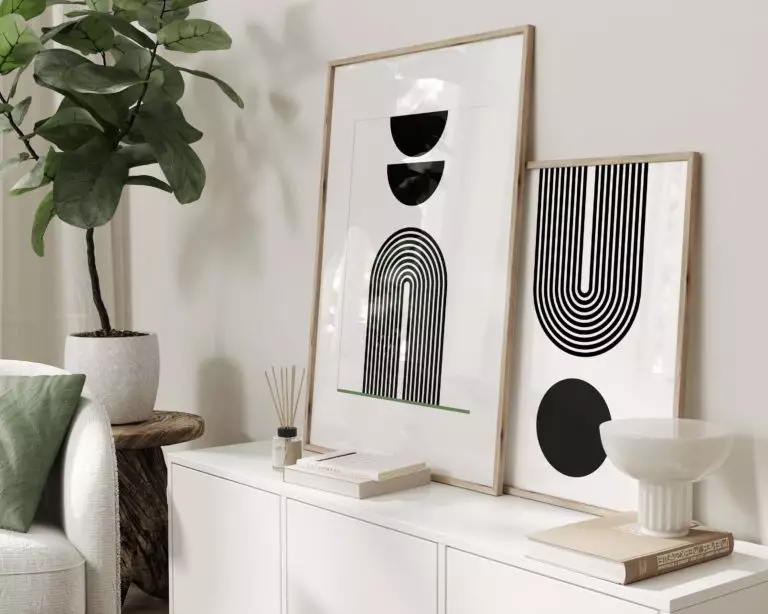
Incorporating Muted Minimal Art into Your Space
Integrating soft-hued, minimalist wall art into your decor doesn’t require a complete overhaul. Here are some practical tips to help you get started:
- Balance with Neutrals: Pair your artwork with neutral walls and furnishings to maintain a cohesive, calming look.
- Layer with Texture: Combine framed prints with textiles such as linen curtains, wool throws, or jute rugs to add warmth and interest.
- Mix with Natural Elements: Incorporate plants, wooden accents, or stone decor to enhance the organic feel of your space.
- Vary the Arrangement: Experiment with single large canvases for a statement or create a gallery wall using several smaller pieces in complementary tones.
If you’re interested in how lighting can further enhance the mood of your room, check out this guide on mixing natural and artificial light for additional inspiration.

Popular Styles and Trends in Soft Minimalist Wall Decor
The world of muted color wall art minimal decor is rich with variety. Some of the most sought-after styles include:
- Abstract Geometrics: Clean lines and shapes in gentle colors create a modern yet soothing effect.
- Nature-Inspired Motifs: Botanical prints, landscapes, and organic forms rendered in soft hues bring a touch of the outdoors inside.
- Watercolor Washes: Fluid, blended tones evoke a sense of calm and movement without sharp contrasts.
- Line Art: Simple, continuous lines on neutral backgrounds offer elegance and subtlety.
For a deeper dive into the evolution of minimalist art and its influence on contemporary interiors, visit this comprehensive editorial on modern wall art trends.
Tips for Selecting the Right Piece
Choosing the best artwork for your space involves more than just picking a color you like. Consider the following:
- Room Function: Select calming pieces for bedrooms and meditation spaces, while slightly more dynamic forms may suit living areas or offices.
- Lighting: Soft art looks best in well-lit spaces, whether from natural or artificial sources. Adjust placement to avoid glare and shadows.
- Personal Connection: Choose designs that resonate with you emotionally, as this will enhance the sense of comfort in your home.
For those interested in capturing subtle movement and tranquility in their own photography, the article on how to photograph candle movement provides useful techniques that can inspire your own wall art choices.
Maintaining a Calm and Cohesive Look
Once you’ve selected your artwork, maintaining the tranquil atmosphere is key. Here are a few ways to ensure your space remains harmonious:
- Keep clutter to a minimum to let your art and decor breathe.
- Rotate pieces seasonally or as your tastes evolve to keep the space feeling fresh.
- Use consistent framing and matting styles for a unified gallery wall.
Understanding how visual elements interact, such as light, color, and form, can deepen your appreciation for minimalist decor. If you want to learn more about the technical side of visual perception, the guide on understanding motion artifacts is an excellent resource.
FAQ
What makes muted color minimalist wall art different from other styles?
This style focuses on simplicity and subtlety, using gentle color palettes and uncomplicated forms. Unlike bold or highly detailed art, these pieces are designed to create a peaceful backdrop, enhancing the room’s tranquility rather than dominating it.
How do I choose the right size for my wall art?
Consider the wall space and the function of the room. Large canvases can serve as a soft focal point above a sofa or bed, while smaller pieces work well in groups or in narrow spaces like hallways. Always ensure the scale complements your furniture and overall room layout.
Can I mix muted minimalist art with other decor styles?
Absolutely. These artworks are highly adaptable and can blend with various aesthetics, including modern, rustic, Scandinavian, and eclectic interiors. The key is to maintain a cohesive color scheme and avoid overcrowding the space with too many competing elements.