

Earth Tone Minimalist Wall Art: Warm, Natural Organic Designs
Bringing a sense of calm and connection to nature into your home is easier than ever with earth tone minimalist wall art. These designs combine the soothing qualities of natural colors with the simplicity of minimalism, resulting in decor that feels both modern and timeless. Whether you’re furnishing a new space or looking to refresh your current environment, organic-inspired artwork in warm, earthy shades can transform any room into a welcoming retreat.
This guide explores the appeal of pared-back, nature-inspired wall decor, offering practical advice for choosing, styling, and sourcing pieces that fit your personal taste. You’ll also find helpful resources and inspiration to help you make the most of this enduring trend. If you’re interested in exploring related creative techniques, check out our article on creating motion illusion in stills for more ideas on adding visual interest to your space.
Why Choose Earthy Minimalist Art for Your Home?
The popularity of earth tone minimalist wall art is rooted in its ability to evoke tranquility and balance. Earth tones—such as terracotta, ochre, sand, clay, olive, and muted greens—are drawn from the natural world. When paired with minimalist design principles, these colors create artwork that feels grounded and uncluttered, making it suitable for a wide range of interiors.
- Timeless Appeal: Neutral and earthy shades don’t go out of style, ensuring your decor remains relevant for years.
- Versatility: These pieces complement various aesthetics, from Scandinavian and Japandi to boho and contemporary spaces.
- Calming Atmosphere: The organic palette promotes relaxation and can make even busy rooms feel more serene.
- Easy Coordination: Earthy minimalist art pairs well with natural materials like wood, linen, and stone, as well as with other accent colors.
Key Elements of Organic Minimalist Wall Decor
To achieve the understated elegance of this style, focus on a few essential characteristics:
- Color Palette: Stick to warm, muted hues inspired by soil, clay, sand, and foliage. Avoid overly bright or saturated colors.
- Simplicity: Minimalist art relies on clean lines, negative space, and uncluttered compositions. Look for abstract forms, gentle curves, or simple geometric shapes.
- Natural Motifs: Many pieces feature organic shapes, botanical silhouettes, or subtle landscape references, reinforcing the connection to nature.
- Texture: Some artworks incorporate texture through brushstrokes, layered paper, or mixed media, adding depth while maintaining simplicity.
How to Style Earth Tone Wall Art in Different Rooms
Integrating earthy minimalist artwork into your home is all about balance and harmony. Here are some practical tips for various spaces:
Living Room
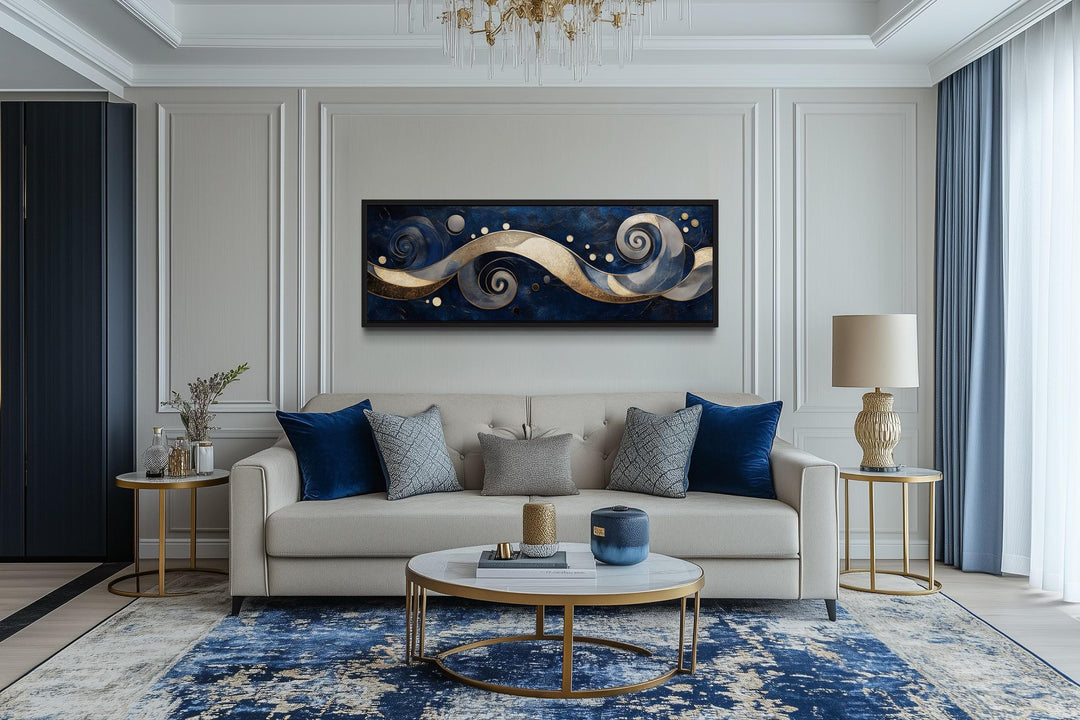
Anchor your seating area with a large, neutral-toned abstract piece above the sofa. For added interest, create a gallery wall using a mix of framed prints and canvases in complementary earth tones. Pair with textured throws and natural wood furniture for a cohesive look.
Bedroom
Select calming, organic designs for above the headboard or on a feature wall. Soft, earth-inspired hues help create a restful environment. Consider pairing the artwork with linen bedding and woven baskets for a layered, tranquil effect.
Kitchen and Dining Area
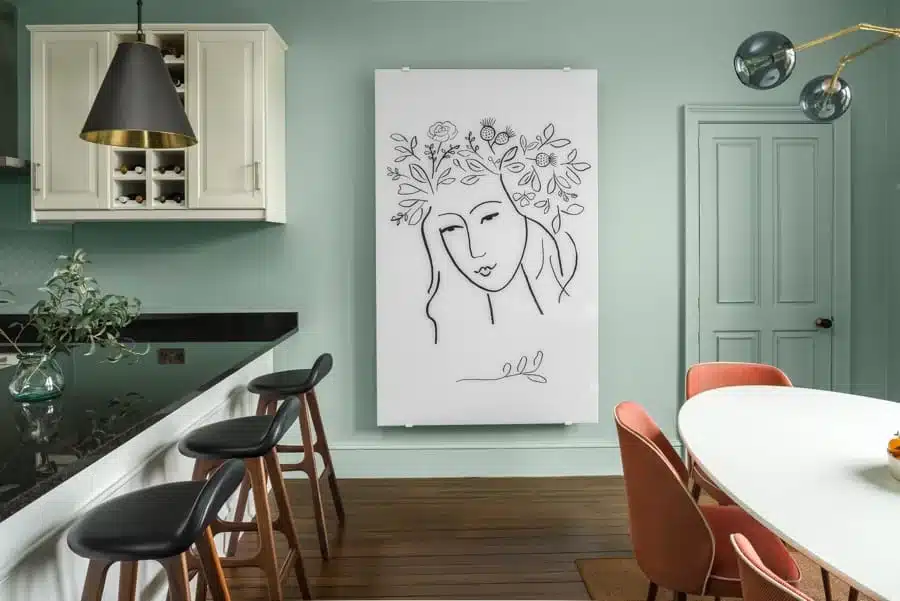
Bring warmth to these functional spaces with smaller prints or a series of minimalist botanical illustrations. Earthy tones can soften the look of modern kitchens and add a welcoming touch to dining rooms.
Choosing the Right Size and Placement
The impact of earth tone minimalist wall art depends on thoughtful placement and scale. Here are some guidelines:
- Above Furniture: Artwork should be roughly two-thirds the width of the furniture below it (such as a sofa or console table) and hung at eye level.
- Gallery Walls: Mix sizes and shapes, but keep frames and spacing consistent for a unified look.
- Standalone Pieces: Large canvases or prints can serve as focal points in entryways or open-plan living areas.
Where to Find Minimalist Art in Earthy Tones
There are many sources for high-quality, organic-inspired wall decor. For a curated selection of prints and posters in this style, visit minimalist wall art collections online. You can also explore local galleries, independent artists, or even create your own DIY pieces using natural pigments and simple shapes.
Tips for Mixing and Matching with Other Decor
Minimalist wall art in earthy shades works best when integrated thoughtfully with your existing decor. Here are some suggestions:
- Layer Textures: Combine artwork with tactile elements like woven rugs, ceramic vases, and wooden accents.
- Balance Neutrals: Use a mix of light and dark earth tones to create depth without overwhelming the space.
- Incorporate Greenery: Houseplants and botanical prints complement organic wall art, reinforcing the natural theme.
- Play with Light: Position art where it benefits from natural or layered lighting. For ideas on enhancing your display, see our guide on mixing natural and artificial light.
FAQ
What colors are considered earth tones in minimalist wall art?
Earth tones include shades inspired by nature, such as terracotta, ochre, beige, taupe, olive green, clay, and muted browns. These colors create a warm and calming effect, making them ideal for minimalist artwork.
How do I choose the right size of wall art for my space?
Measure the wall and the furniture below where you plan to hang the art. A good rule of thumb is to select a piece that is about two-thirds the width of the furniture. For gallery walls, mix sizes but keep the arrangement balanced and cohesive.
Can earth tone minimalist art work in small spaces?
Absolutely. The simplicity and neutral palette of this style can make small rooms feel larger and more open. Choose smaller prints or a single statement piece to avoid overwhelming the space.
Is it possible to mix earth tone minimalist art with other styles?
Yes, these designs are highly versatile. They pair well with bohemian, Scandinavian, mid-century modern, and even industrial decor. The key is to maintain a consistent color palette and avoid overcrowding your walls.