

How to Photograph Moving Subjects
Capturing sharp, dynamic images of moving subjects is one of the most rewarding yet challenging aspects of photography. Whether you’re interested in sports, wildlife, street scenes, or creative light trails, knowing how to photograph moving subjects can help you freeze action, convey motion, and tell compelling visual stories. This guide covers essential techniques, camera settings, and practical tips to help you master the art of photographing motion, ensuring your images are both crisp and expressive.
Understanding the fundamentals of motion photography will also deepen your grasp of related concepts like panning photography technique, lighting, and dynamic range. Let’s explore how you can elevate your skills and consistently produce stunning results when working with subjects in motion.
Essential Camera Settings for Action Shots
Getting the right camera settings is crucial when you want to capture moving subjects effectively. The following adjustments will help you achieve sharpness, control blur, and adapt to changing conditions:
- Shutter Speed: Use a fast shutter speed (1/500s or faster) to freeze action. For creative blur, try slower speeds (1/30s–1/125s) while tracking your subject.
- Autofocus Mode: Switch to continuous autofocus (AI Servo for Canon, AF-C for Nikon/Sony) so your camera tracks the subject as it moves.
- Burst Mode: Enable continuous shooting to take multiple frames per second, increasing your chances of capturing the perfect moment.
- ISO: Raise ISO as needed to maintain fast shutter speeds, especially in low light. Modern cameras handle higher ISO with less noise.
- Aperture: Use a wider aperture (lower f-number) to let in more light and help isolate your subject from the background.
Experiment with these settings to find the right balance for your scene. For more on how light affects your photos, check out this resource on the importance of lighting in photography.
Techniques for Capturing Motion
Beyond settings, technique plays a major role in photographing subjects in motion. Here are some proven methods to help you get the best results:
Freezing Action
To capture a subject sharply in mid-motion—like a runner, cyclist, or bird—use a high shutter speed and focus on the point where the action peaks. Anticipate the movement and press the shutter just before the decisive moment. Burst mode can help you select the sharpest frame from a sequence.
Conveying Motion with Blur
Sometimes, a sense of speed or movement is more important than absolute sharpness. By intentionally using a slower shutter speed, you can blur the background or parts of your subject to communicate motion. This is especially effective for vehicles, dancers, or athletes.
Panning for Dynamic Shots
Panning involves moving your camera horizontally to follow a moving subject. With the right technique, the subject remains sharp while the background blurs, emphasizing speed and direction. This method is ideal for cars, bikes, or runners. If you want to dive deeper, explore the panning photography technique for step-by-step guidance.
Lighting Considerations for Moving Subjects
Lighting can make or break your motion shots. Good illumination allows for faster shutter speeds and reduces blur, while creative use of light can add drama and depth. Here are some tips:
- Natural Light: Shoot during the golden hour for soft, directional light. Overcast days provide even lighting, minimizing harsh shadows.
- Artificial Light: Use flashes or continuous lights to freeze motion indoors or at night. LED panels are portable and versatile for many situations. Learn more about using LED lights in photography to enhance your setup.
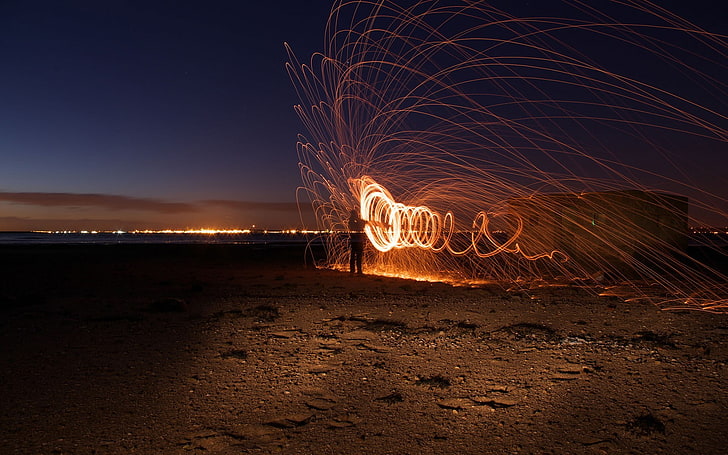
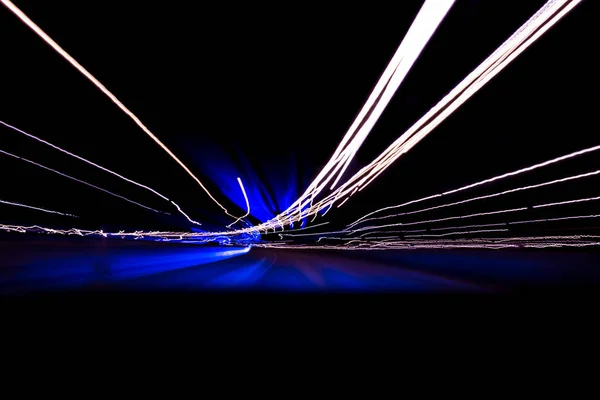
- Light Trails: For creative effects, slow your shutter and capture moving lights, such as cars at night or sparklers. This technique adds energy and visual interest to your images.

Tips for Consistent Results When Shooting Motion
Success in photographing moving subjects comes with practice and attention to detail. Here are some practical suggestions to help you improve:
- Pre-focus: If your subject will pass a specific spot, pre-focus on that area to reduce lag and increase sharpness.
- Predict Movement: Anticipate where your subject will go and compose your shot accordingly. This is especially important for sports and wildlife photography.
- Use the Right Lens: Telephoto lenses are great for distant action, while wide angles can exaggerate speed and context.
- Stabilize Your Camera: Use a monopod or tripod when possible, especially for panning or slower shutter speeds.
- Review and Adjust: Check your images on the camera’s screen and adjust settings as needed. Don’t be afraid to experiment with different techniques.
Understanding how to balance exposure, light, and motion will help you achieve more creative and technically sound results. For more advanced topics, consider reading about understanding dynamic range and color temperature explained to further refine your approach.
Common Challenges and How to Overcome Them
Even experienced photographers encounter obstacles when working with moving subjects. Here are some frequent issues and solutions:
- Motion Blur: Increase shutter speed, use burst mode, or add more light to minimize unwanted blur.
- Missed Focus: Use continuous autofocus and select a focus point that tracks your subject. Practice panning smoothly to keep the subject in the frame.
- Low Light: Raise your ISO, open your aperture, or introduce artificial lighting. Consider using LED panels or flashes for extra illumination.
- Overexposed Highlights: Monitor your histogram and use exposure compensation to avoid blown-out areas, especially in bright environments.
With patience and regular practice, you’ll develop the instincts needed to adapt quickly and capture compelling images, no matter how fast your subject is moving.
Frequently Asked Questions
What is the best shutter speed for photographing action?
The ideal shutter speed depends on the speed of your subject and the effect you want. For freezing fast action, use at least 1/500s or faster. For creative blur or panning, slower speeds like 1/30s to 1/125s can work well.
How do I keep my subject in focus while it moves?
Switch your camera to continuous autofocus mode (AI Servo or AF-C) and use a single focus point or a small group of points. Track your subject as it moves and use burst mode to increase your chances of getting a sharp shot.
Can I photograph moving subjects in low light?
Yes, but you’ll need to raise your ISO, open your aperture, and possibly use artificial lighting. Fast lenses and external lights like LEDs or flashes can help you maintain sharpness and reduce blur in dim conditions.
How can I create light trails in my photos?
To capture light trails, use a tripod and set your camera to a slow shutter speed (several seconds or more). This works well for photographing cars at night or other moving lights, resulting in streaks that show the path of motion.
Conclusion
Learning to photograph subjects in motion is a skill that opens up creative possibilities across many genres of photography. By mastering camera settings, practicing techniques like panning, and understanding the role of light, you’ll be able to produce images that are both technically strong and visually engaging. Keep experimenting, review your results, and don’t hesitate to explore related topics such as creating depth with light to further enhance your photography journey.
This article contains affiliate links. We may earn a commission at no extra cost to you.