

Understanding Dynamic Range
The concept of understanding dynamic range is fundamental in photography, audio, and imaging. It refers to the span between the darkest and brightest elements that a device or medium can capture or reproduce. Whether you’re a photographer aiming for detailed shadows and highlights, or a videographer seeking balanced exposure, mastering this topic is essential for producing high-quality visuals.
Dynamic range impacts every aspect of image creation, from how much detail is preserved in a landscape’s shadows to the vibrancy of a portrait’s highlights. Knowing how to manage and optimize it can elevate your creative work and help you avoid common pitfalls like blown-out highlights or muddy shadows. For those interested in lighting techniques, exploring resources like rim lighting techniques can further expand your understanding of how light and contrast interact in photography.
What Is Dynamic Range?
Dynamic range describes the ratio between the maximum and minimum measurable light intensities. In photography, it’s often measured in stops, with each stop representing a doubling of light. A camera sensor with a wide dynamic range can record more detail in both the darkest shadows and the brightest highlights of a scene.
For example, when shooting a landscape at sunrise, the sky may be extremely bright while the ground remains in shadow. If your camera’s dynamic range is limited, you’ll have to choose between exposing for the sky (losing detail in the shadows) or the ground (blowing out the highlights). Cameras with a broader range can capture more information in both areas, resulting in a more balanced and detailed image.
Why Dynamic Range Matters in Photography
Capturing scenes with a wide range of brightness is a common challenge. The ability to record both subtle shadow details and bright highlights is crucial for realistic and visually appealing images. Here’s why dynamic range is so important:
- Preserves detail in both shadows and highlights, avoiding loss of information.
- Enables flexibility in post-processing, allowing for greater adjustments without introducing noise or artifacts.
- Improves print quality by retaining more tonal information, resulting in richer, more lifelike images.
Understanding how to work with dynamic range helps photographers make informed decisions about exposure, lighting, and editing. For those interested in lighting setups, learning about using LED lights in photography can also enhance your ability to manage contrast and exposure.
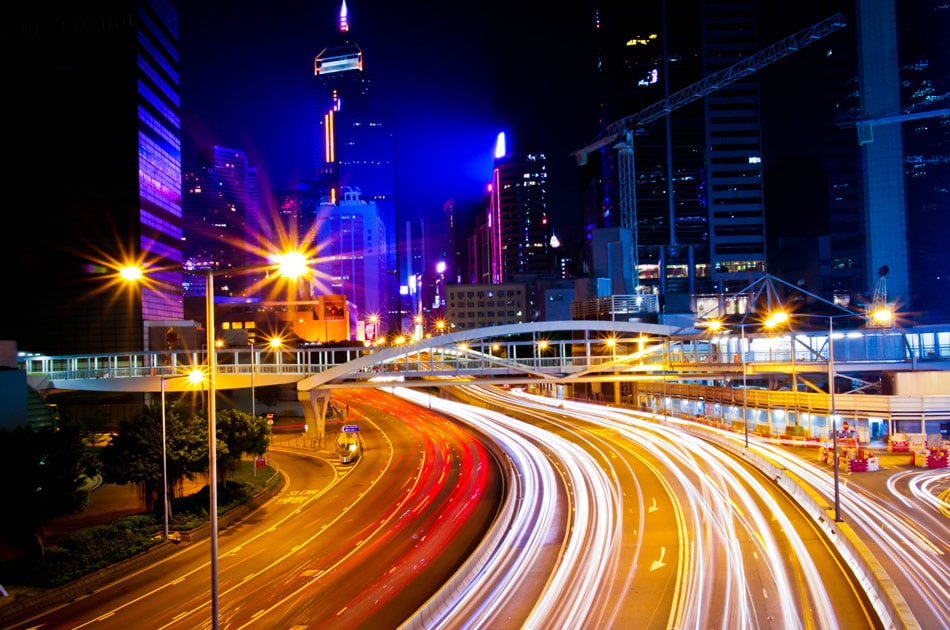
How Sensors and Film Handle Contrast
Different cameras and mediums have varying abilities to record a wide range of brightness. Modern digital sensors typically offer between 10 and 15 stops of dynamic range, while film can vary depending on the type and processing. High-end cameras, especially those designed for professional photography or cinematography, tend to have broader ranges, making them better suited for challenging lighting conditions.
Smartphones and entry-level cameras often have more limited capabilities, but advances in sensor technology and computational photography are narrowing the gap. Features like HDR (High Dynamic Range) mode combine multiple exposures to extend the effective dynamic range, helping to balance highlights and shadows in difficult scenes.
Techniques for Maximizing Dynamic Range
To get the most out of your camera’s capabilities, consider these practical tips:
- Shoot in RAW: RAW files retain more image data than JPEGs, allowing for greater recovery of shadow and highlight detail during editing.
- Use exposure bracketing: Take multiple shots at different exposures and blend them in post-processing to create a balanced final image.
- Control lighting: Use reflectors, diffusers, or artificial lights to reduce contrast in the scene. For more on this, see using reflectors for portraits.
- Monitor your histogram: The histogram helps you see if you’re losing detail in the shadows or highlights and adjust your exposure accordingly.
These techniques help you capture as much tonal information as possible, leading to images with depth and realism.

Dynamic Range in Post-Processing
Editing software like Adobe Lightroom or Capture One provides powerful tools for recovering lost details and balancing exposure. When working with RAW files, you can often bring back information from both shadows and highlights that would be lost in a JPEG. However, there are limits—if the information wasn’t captured by the sensor, it can’t be recovered.
Use adjustment sliders for highlights, shadows, whites, and blacks to fine-tune your image. Be cautious not to push the settings too far, as this can introduce noise or unnatural artifacts. The goal is to achieve a natural-looking result that preserves as much detail as possible.
Common Challenges and Solutions
Scenes with high contrast, such as backlit portraits or sunsets, often exceed the dynamic range of most cameras. Here are some ways to address these situations:
- Graduated ND filters: These filters darken only part of the image (usually the sky), helping to balance exposure in landscape photography.
- Fill flash: Adding light to shadowed areas can reduce contrast and bring out details in portraits or close-up shots.
- HDR blending: Combine multiple exposures to create a single image with extended dynamic range.
For more on the role of light in image creation, check out this detailed explanation of the importance of light in photography.
Dynamic Range and Color
Dynamic range isn’t just about brightness; it also affects color accuracy and vibrancy. When highlights are blown out, color information is lost, resulting in dull or washed-out areas. Similarly, crushed shadows can lose subtle color variations. Cameras with higher dynamic range tend to produce richer, more accurate colors, especially in challenging lighting conditions.
For those interested in the relationship between light and color, the article on color temperature explained provides additional insights into how different lighting conditions affect the look and feel of your images.
Dynamic Range in Audio and Video
While this guide has focused on photography, the concept is equally important in audio and video. In audio, dynamic range refers to the difference between the quietest and loudest sounds a system can reproduce without distortion. In video, it determines how much detail is visible in both bright and dark areas of the frame. High dynamic range (HDR) video formats are becoming standard, offering more lifelike images and greater creative flexibility.
Frequently Asked Questions
What Is a Good Dynamic Range for a Camera?
Most modern digital cameras offer between 12 and 15 stops of dynamic range, which is sufficient for most situations. Professional models may provide even more, allowing for greater flexibility in challenging lighting conditions.
How Can I Improve Dynamic Range in My Photos?
Shooting in RAW, using exposure bracketing, and carefully controlling your lighting are effective ways to maximize the tonal range in your images. Post-processing tools also help recover details, but starting with a well-exposed photo is key.
Does Dynamic Range Affect Image Quality?
Yes, a wider dynamic range allows for more detail in both shadows and highlights, resulting in images that appear more natural and visually pleasing. It also provides greater flexibility during editing and printing.
Is Dynamic Range the Same as Contrast?
While related, they are not the same. Dynamic range refers to the total span of brightness a device can capture, while contrast describes the difference between the darkest and brightest parts within a specific scene or image.
Conclusion
Grasping the principles of dynamic range is essential for anyone looking to improve their photography or videography. By understanding how your camera handles light and shadow, and by using practical techniques to maximize tonal information, you can consistently produce images with depth, detail, and impact. Whether you’re working with natural light, artificial sources, or a combination of both, mastering this aspect of exposure will help you achieve your creative vision.
This article contains affiliate links. We may earn a commission at no extra cost to you.