

Long Exposure Night Shots
Capturing the beauty of the night with a camera can be both challenging and rewarding. Long exposure night shots allow photographers to reveal details and movements that are invisible to the naked eye, from glowing city lights to the mesmerizing trails of stars and vehicles. Mastering this technique opens up creative possibilities, whether you’re photographing urban scenes, landscapes, or experimenting with light painting.
Before diving into the technical aspects, it’s important to understand that this approach relies on keeping the camera’s shutter open for extended periods. This lets in more light and records motion, resulting in images that can be dramatic, ethereal, or abstract. If you’re interested in exploring related creative techniques, check out motion photography in nature for more inspiration on capturing movement in different environments.
Understanding the Basics of Nighttime Long Exposures
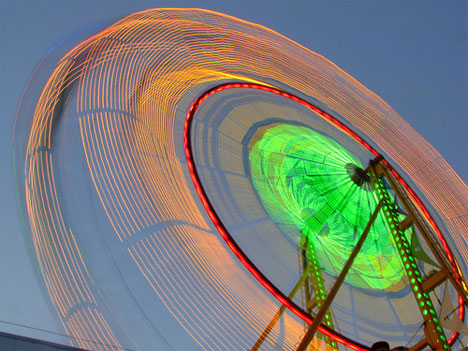
At its core, a long exposure involves using a slow shutter speed—typically anywhere from a few seconds to several minutes. This allows the camera sensor to gather more light in dark conditions, making it ideal for nighttime photography. The extended exposure also records any movement in the frame, creating effects like light trails, smooth water, or ghostly figures.
To achieve sharp and compelling results, a tripod is essential. Even the slightest camera shake can blur your image during a long exposure. A remote shutter release or your camera’s timer function can further minimize vibrations. For those interested in artificial lighting, learning about understanding strobe lighting can add another layer of creativity to your night photography.
Essential Gear for Stunning Results
While you don’t need a professional setup to get started, a few key pieces of equipment will make a significant difference:
- Sturdy tripod: Prevents camera shake during long exposures.
- Camera with manual controls: DSLRs, mirrorless, or advanced compacts that allow you to adjust shutter speed, aperture, and ISO.
- Remote shutter release: Reduces the risk of blur from pressing the shutter button.
- Wide-angle lens: Useful for capturing expansive nightscapes or city scenes.
- Extra batteries: Long exposures can drain power quickly, especially in cold conditions.
Optional accessories like neutral density (ND) filters can help you extend exposure times even in areas with ambient light, while a flashlight or headlamp is handy for setting up in the dark.
Camera Settings for Nighttime Exposures
Getting the right settings is crucial for successful night photography. Here’s a starting point for your camera configuration:
- Shutter speed: Experiment with exposures from 5 seconds up to several minutes, depending on the effect you want and the available light.
- Aperture: A wider aperture (lower f-number) lets in more light but reduces depth of field. For landscapes, try f/8 to f/11 for sharpness.
- ISO: Keep ISO as low as possible (ISO 100–400) to minimize noise, but increase it if you need more sensitivity.
- Manual focus: Autofocus can struggle in low light. Use live view and magnify the image to focus manually on a bright point.
- White balance: Set manually or use daylight/tungsten presets for consistent color, or shoot in RAW for flexibility in post-processing.
Every scene is different, so don’t hesitate to review your images, adjust settings, and try again. For creative lighting effects, you might want to explore softbox lighting setup techniques, which can be adapted for outdoor or indoor night scenes.
Creative Techniques for Unique Night Photos
Long exposures at night aren’t just about capturing more light—they’re an opportunity to experiment with movement and color. Here are some popular techniques:
- Light trails: Position yourself near roads or moving vehicles to capture streaks of headlights and taillights.
- Star trails: Point your camera at the night sky and use exposures of 15 minutes or more to record the apparent movement of stars.
- Light painting: Move a flashlight, glow stick, or other light source within the frame during the exposure to “paint” shapes or words.
- Smooth water: Use long exposures to turn rivers, lakes, or fountains into glassy, surreal surfaces.
- Ghostly figures: Have a person move into the frame for part of the exposure to create a transparent, ethereal effect.
For more on how different light sources can affect your images, see this comprehensive guide on how light affects photography.

Tips for Success with Extended Night Exposures
Getting the most out of this technique requires patience and a willingness to experiment. Here are some practical tips:
- Scout your location in advance: Visit during the day to find interesting compositions and identify potential hazards.
- Check the weather: Clear nights are ideal for star trails, while a bit of fog or mist can add atmosphere to urban scenes.
- Arrive early: Set up before dark to avoid fumbling with gear in low light.
- Use manual mode: Take full control of your camera’s settings for consistent results.
- Bracket exposures: Take multiple shots at different settings to ensure you capture the best possible image.
- Be mindful of noise: Long exposures can introduce digital noise. Use in-camera noise reduction or clean up your images in post-processing.
- Bring a friend: Night photography can be more enjoyable and safer with company.
For those who enjoy working with candlelight or low-light scenes, explore candlelight photography techniques for additional creative ideas.
Common Challenges and How to Overcome Them
Even with the right gear and preparation, you may encounter some obstacles:
- Unwanted light sources: Streetlights or passing cars can introduce glare or unwanted colors. Use your hand or a lens hood to block stray light, or adjust your composition.
- Focus issues: If manual focus is difficult, use a flashlight to illuminate your subject temporarily while focusing.
- Battery drain: Cold temperatures and long exposures can quickly deplete batteries. Keep spares warm in your pocket.
- Condensation: Moving from warm to cold environments can cause lens fogging. Allow your gear to acclimate gradually.
With practice, these challenges become easier to manage, and your confidence in shooting at night will grow.
FAQ
What is the ideal shutter speed for nighttime long exposures?
There’s no single “ideal” shutter speed—it depends on your subject and the effect you want. For light trails or smooth water, try exposures between 10 and 30 seconds. For star trails, exposures can last several minutes or more. Always review your results and adjust as needed.
How can I reduce noise in my night photos?
Keep your ISO as low as possible, use in-camera long exposure noise reduction if available, and consider post-processing software to clean up any remaining noise. Shooting in RAW format gives you more flexibility for noise reduction later.
Can I use my smartphone for long exposure night photography?
Many modern smartphones offer manual controls or dedicated long exposure modes. While results may not match those from a DSLR or mirrorless camera, you can still achieve creative effects, especially with a tripod and third-party camera apps.
Conclusion
Experimenting with long exposure night shots is a rewarding way to expand your photographic skills and creativity. With the right preparation, equipment, and a willingness to try new techniques, you can capture stunning images that reveal the hidden beauty of the night. Don’t hesitate to explore different lighting setups, such as those used in silhouette photography lighting, to further enhance your nighttime photography adventures.
This article contains affiliate links. We may earn a commission at no extra cost to you.