

Japandi Wall Art Minimal: Where Japanese and Nordic Styles Meet
The fusion of Japanese and Scandinavian design—known as Japandi wall art minimal—has become a defining trend for those seeking tranquility and simplicity in their living spaces. This distinctive aesthetic draws from the serene, nature-inspired elements of Japanese interiors and the clean, functional lines of Nordic style. The result is a calming, clutter-free environment that feels both warm and sophisticated.
Minimalist wall decor in the Japandi tradition is more than just a visual statement; it’s a philosophy that values balance, harmony, and intentional living. Whether you’re updating a single room or curating an entire home gallery, understanding the principles behind this style can help you create a space that feels both modern and timeless.
For more inspiration on pared-back decor, you might enjoy exploring minimalist wall art inspiration ideas that showcase different gallery layouts and concepts.
Understanding the Essence of Japandi Minimalism
At its core, Japandi minimalism is about blending the best of two worlds: the Japanese appreciation for natural materials and wabi-sabi imperfection, and the Scandinavian focus on functionality and comfort. This approach to wall art emphasizes:
- Neutral color palettes—think soft whites, beiges, muted greys, and earthy tones.
- Organic shapes and lines that evoke calmness and flow.
- Natural materials such as wood, linen, and handmade paper.
- Intentional negative space to allow each piece to breathe.
By keeping artwork simple and uncluttered, Japandi decor encourages a sense of mindfulness and peace in the home.
Key Elements of Japandi Wall Art Minimal Styles
When curating a Japandi-inspired wall, focus on pieces that reflect both cultures’ love for simplicity and nature. Here are some defining features:
- Abstract compositions with soft brushstrokes or geometric forms.
- Botanical prints featuring bamboo, grasses, or minimalist florals.
- Monochrome or two-tone artwork that highlights contrast without overwhelming the senses.
- Textured surfaces—for example, canvas with visible grain or handmade paper with subtle fibers.
These elements work together to create a cohesive, tranquil atmosphere that feels both curated and effortless.

Choosing the Right Artwork for Japandi-Inspired Spaces
Selecting wall decor for a Japandi setting means prioritizing quality over quantity. Instead of filling every inch of wall space, opt for a few well-chosen pieces that reflect your personal taste and the room’s purpose. Consider these tips:
- Pick large-scale prints or canvases to create a focal point without visual clutter.
- Use pairs or triptychs of minimalist art for a balanced look.
- Frame artwork in natural woods or black for a subtle, grounded effect.
- Mix geometric line art prints with organic motifs for visual interest.
Remember, negative space is just as important as the artwork itself. Allowing breathing room around each piece enhances the overall sense of calm.
How to Arrange Minimalist Japandi Wall Art
Placement and arrangement are key in achieving a harmonious look. Here’s how to approach it:
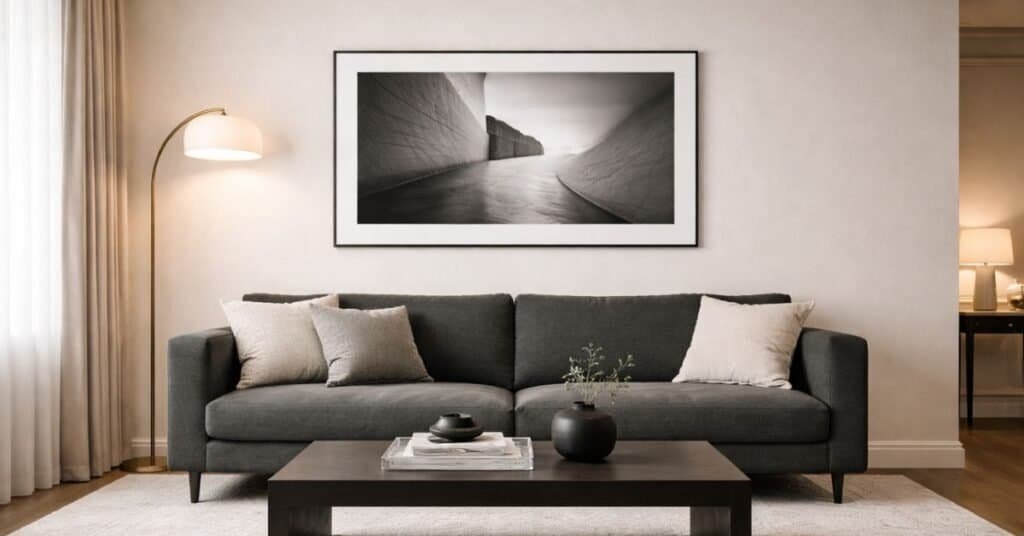
- Center one large piece on a main wall—such as above a sofa or bed—for instant impact.
- For gallery walls, stick to symmetrical layouts and consistent spacing.
- Align artwork with furniture edges for a cohesive, intentional feel.
- Keep frames and matting simple to maintain a minimalist vibe.
For more ideas on quick layouts and styling, check out these simple wall styling ideas that work well in both small and large spaces.
Materials and Textures in Japandi Minimalist Decor
Material choice is crucial in this style. Japandi wall art often features:
- Wooden frames in oak, ash, or walnut for warmth and authenticity.
- Canvas and linen for subtle texture and depth.
- Handmade paper or washi for a touch of Japanese tradition.
- Occasional use of ceramics or woven textiles as wall hangings.
These materials not only add tactile interest but also reinforce the connection to nature that is central to both Japanese and Nordic design philosophies.
Color Palettes and Mood
The color schemes in Japandi wall art minimal decor are intentionally understated. You’ll often see:
- Shades of white, cream, taupe, and sand.
- Accents of charcoal, slate, or muted blue for contrast.
- Occasional earthy greens or terracotta for warmth.
These colors promote a restful atmosphere and allow the shapes and textures of the artwork to take center stage. For more on how color and form interact in minimal spaces, explore minimal interior design wall art for architecture-inspired ideas.
Where to Find Japandi Minimalist Wall Art
There are many sources for finding the right pieces, from independent artists to curated online shops. If you’re looking for a curated selection of minimalist prints and ideas, you might enjoy browsing the best minimalist wall art ideas for inspiration and shopping tips.
When shopping, look for authenticity in materials and craftsmanship. Pieces that are handmade or feature unique textures will bring more character and depth to your space than mass-produced prints.
Maintaining a Balanced, Minimalist Look
To keep your space feeling serene and uncluttered, remember these principles:
- Rotate artwork seasonally to keep the environment fresh.
- Resist the urge to overfill walls—embrace negative space.
- Pair wall art with simple, functional furnishings and natural light.
- Use modern framed minimal prints for a professional, gallery-like finish.
By following these guidelines, you’ll create a home that feels both peaceful and visually engaging, true to the Japandi spirit.
Frequently Asked Questions
What makes Japandi wall art different from other minimalist styles?
Japandi wall decor uniquely blends Japanese and Scandinavian influences, focusing on natural materials, organic forms, and a harmonious balance of negative space. Unlike other minimalist styles, it emphasizes warmth and subtle imperfection alongside simplicity.
How do I choose the right size artwork for my space?
Consider the scale of your wall and furniture. Large, single pieces work well above sofas or beds, while smaller pieces can be grouped in pairs or triptychs. Always allow for ample negative space around each artwork for a balanced look.
Can I mix Japandi wall art with other decor styles?
Yes, Japandi minimalism is versatile and can complement other understated decor styles. Just keep the overall palette neutral and avoid overcrowding the space with too many competing elements.