

Creative Light Leaks Photography
Creative light leaks photography is a captivating approach that blends technical skill with artistic experimentation. By intentionally introducing streaks, flares, and bursts of light into your images, you can evoke mood, add atmosphere, and transform ordinary scenes into visually striking works of art. Whether you’re a beginner or a seasoned photographer, learning how to harness light leaks can open up new avenues for creative expression and help your photos stand out.
Light leaks, once considered a flaw in film photography, have become a sought-after effect in the digital era. They add unpredictability, warmth, and a sense of nostalgia to images. In this guide, we’ll explore the fundamentals of this style, practical methods for achieving it, and tips for integrating light leaks into your workflow. For those interested in understanding how lighting impacts every aspect of photography, you might also find value in reading about understanding artificial lighting and how it shapes your creative process.
What Are Light Leaks and Why Use Them?
Light leaks occur when stray light enters a camera, exposing parts of the film or sensor and creating unpredictable color washes or streaks. In the film era, these effects were often accidental, caused by worn camera seals or mishandling. Today, many photographers intentionally add light leaks to their digital images, either in-camera or through post-processing, to infuse their work with a sense of spontaneity and vintage charm.
Incorporating light leaks can:
- Add visual interest and depth to otherwise static scenes
- Create a dreamy, ethereal, or nostalgic mood
- Draw attention to specific areas of the frame
- Distinguish your style from conventional photography
For those looking to master movement and lighting, exploring topics such as capturing dynamic movement can further expand your creative toolkit.
Techniques for Achieving Artistic Light Leaks
There are several ways to create light leak effects, ranging from analog methods to digital post-processing. Here are some of the most effective approaches:
1. In-Camera Methods
- Film Cameras: Use old or toy cameras with imperfect seals, or briefly open the camera back in a dark environment to let in a controlled amount of light. This technique is unpredictable but can yield beautiful, organic results.
- Digital Cameras: Hold colored gels, transparent objects, or even your fingers near the lens edge while shooting. Shooting directly into strong light sources, such as the sun or streetlights, can also create natural flares and leaks.
2. Post-Processing Techniques
- Overlay Textures: Download or create light leak overlays and blend them with your images using photo editing software. Adjust opacity and blending modes for a natural look.
- Adjustment Layers: Use gradient tools, brushes, and color adjustments to manually paint light leaks onto your photos. This method gives you full control over placement and intensity.
For more on how different lighting setups impact your results, check out resources like dynamic lighting in photography.
Camera Settings and Equipment for Light Leak Effects
While creative light leaks photography is about experimentation, certain settings and gear can help you achieve more consistent results:
- Wide Apertures: Use a low f-stop (e.g., f/1.8–f/2.8) to allow more light into the lens, increasing the chance of flares and leaks.
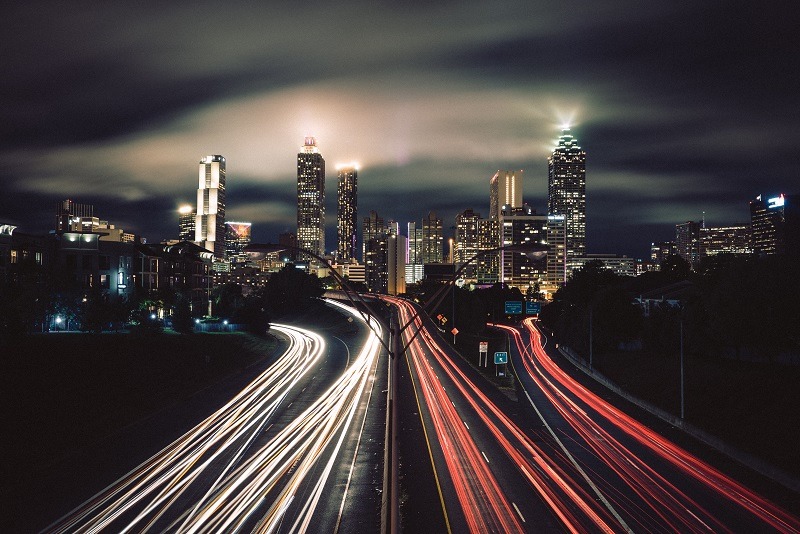
- Slow Shutter Speeds: Longer exposures can amplify ambient light and motion blur, enhancing the effect.
- Prime Lenses: Older or inexpensive prime lenses often produce more pronounced flares and leaks due to their optical characteristics.
- Manual Focus: Autofocus can sometimes struggle with strong light sources. Switching to manual focus gives you more control.
Experiment with different combinations to see what works best for your style. For those shooting in challenging lighting conditions, learning about lighting for moving subjects can be especially helpful.

Tips for Integrating Light Leaks into Your Workflow
To make the most of light leaks, consider the following tips:
- Plan Your Composition: Think about where you want the light leak to appear and how it will interact with your subject.
- Balance Subtlety and Impact: Overusing light leaks can distract from your main subject. Use them to enhance, not overpower, your image.
- Experiment with Color: Light leaks can introduce warm reds, cool blues, or any hue you choose. Match the color to the mood you want to convey.
- Combine with Other Techniques: Pair light leaks with motion blur, double exposures, or creative cropping for even more dynamic results.
Understanding the fundamentals of lighting, such as those explained in light metering explained, can help you predict and control the outcome of your creative experiments.
Common Mistakes and How to Avoid Them
While experimenting is encouraged, there are a few pitfalls to watch out for:
- Overdoing the Effect: Too many or too strong light leaks can make your photo look artificial. Start subtle and build up as needed.
- Ignoring Subject Placement: Ensure the leak doesn’t obscure important details or faces unless it’s intentional.
- Poor Color Harmony: Mismatched colors can clash with your overall palette. Adjust hues in post-processing for a cohesive look.
- Technical Oversights: Don’t forget to check focus, exposure, and white balance. Light leaks should enhance, not mask, technical quality.
For a deeper understanding of how light influences your images, you can read more about the importance of light in photography and its role in creative expression.
Frequently Asked Questions
How do I create light leaks without expensive equipment?
You can achieve light leak effects using everyday objects like colored plastic, transparent tape, or even your hand near the lens. Many free and paid overlays are also available for post-processing in popular editing software.
Are light leaks suitable for professional work?
When used thoughtfully, light leaks can enhance editorial, fashion, and commercial photography by adding atmosphere and uniqueness. However, always consider your client’s preferences and the intended message of the image.
Can I add light leaks to smartphone photos?
Yes, many mobile editing apps offer light leak filters and overlays. Experiment with different apps to find one that offers the control and quality you need.
Conclusion
Exploring creative light leaks photography can breathe new life into your portfolio and help you develop a distinctive visual style. By understanding the origins, techniques, and best practices for this effect, you’ll be able to use light leaks intentionally and artistically. Remember to experiment, stay curious, and let your creativity guide you as you incorporate these vibrant bursts of light into your photographic journey.