

Soft Minimal Home Aesthetic: Creating a Warm and Cozy Atmosphere
Embracing a soft minimal home aesthetic is about finding the sweet spot between simplicity and warmth. This approach to interior design blends clean lines and uncluttered spaces with inviting textures, gentle colors, and personal touches. The result is an environment that feels both serene and welcoming—never cold or sterile. Whether you're starting from scratch or looking to refresh your space, this guide will walk you through the principles and practical steps for achieving a harmonious, cozy look that stands the test of time.
Minimalism doesn't have to mean bare walls and empty rooms. By incorporating soft elements and thoughtful decor, you can create a home that feels both visually calm and emotionally comforting. We'll explore how to layer textures, choose a soothing palette, and select artwork and accessories that add character without overwhelming the senses.
For those interested in expanding their wall decor options, you might find inspiration in minimalist wall art inspiration ideas, which offer creative ways to enhance your living space while maintaining a tranquil vibe.
Understanding the Essence of Soft Minimalism
The core of this design philosophy lies in balancing minimalism's clarity with the comfort of soft, tactile elements. Unlike traditional minimalism, which can sometimes feel austere, this approach introduces warmth through plush textiles, gentle lighting, and subtle color variations. The goal is to create a space that feels lived-in and personal, yet remains uncluttered and visually restful.
- Neutral color schemes with warm undertones
- Natural materials like wood, linen, and wool
- Curved shapes and organic forms
- Intentional use of negative space
By focusing on these elements, you can achieve a look that is both modern and inviting.
Choosing a Calming Color Palette
Color plays a pivotal role in setting the mood for any room. For a soft, minimal-inspired home, opt for neutrals such as off-white, beige, taupe, and soft gray. These hues provide a gentle backdrop that makes rooms feel open and airy. To prevent the space from feeling flat, layer in subtle variations—think warm creams paired with sandy tones or muted pastels for a hint of color.
Accent colors should be used sparingly and thoughtfully. A single blush pink throw or a sage green cushion can add interest without disrupting the overall harmony. The key is to maintain a cohesive palette that soothes rather than stimulates.
Layering Textures for Warmth
Texture is essential for creating depth and comfort in a pared-back setting. Incorporate a mix of materials to engage the senses and add visual interest. Consider the following combinations:
- Soft wool or cotton throws draped over a linen sofa
- Chunky knit cushions on a sleek armchair
- Natural fiber rugs underfoot
- Sheer curtains that diffuse natural light
These elements work together to soften hard edges and make your home feel more inviting. Even in a minimalist context, a variety of textures can transform a simple room into a cozy retreat.
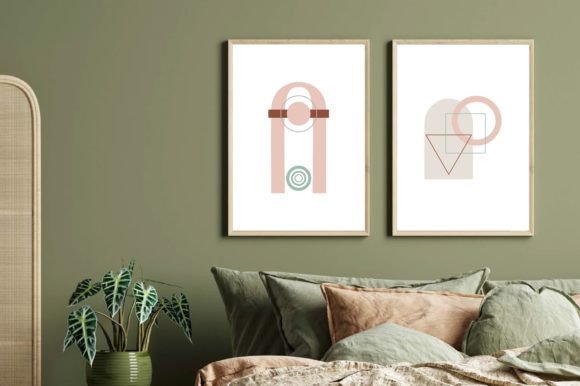
Curating Art and Accessories for a Minimalist Look
Wall art and decor are powerful tools for expressing personality in a subtle way. When selecting pieces, look for artwork that features gentle shapes, abstract forms, or calming landscapes. Avoid overcrowding your walls; instead, choose a few meaningful pieces that complement your color scheme and overall vibe.
For more ideas on selecting the right prints, you can explore geometric line art prints or modern framed minimal prints to find options that suit a soft, understated style. Minimalist wall decor can elevate your space while keeping it uncluttered and harmonious.
Accessories should be functional and beautiful. Think ceramic vases, woven baskets, or a single sculptural lamp. The aim is to add interest without creating visual noise.
Lighting for a Cozy Minimalist Home
Lighting has a significant impact on the atmosphere of any room. In a soft, minimal-inspired setting, prioritize natural light during the day by using sheer curtains or blinds that let sunlight filter in. For evenings, layer different light sources—such as floor lamps, table lamps, and wall sconces—to create a warm, inviting glow.
Choose fixtures with simple lines and natural materials, like wood or matte metal, to maintain a cohesive look. Dimmable lights and warm-toned bulbs can help you adjust the mood throughout the day, making your home feel comfortable at any hour.
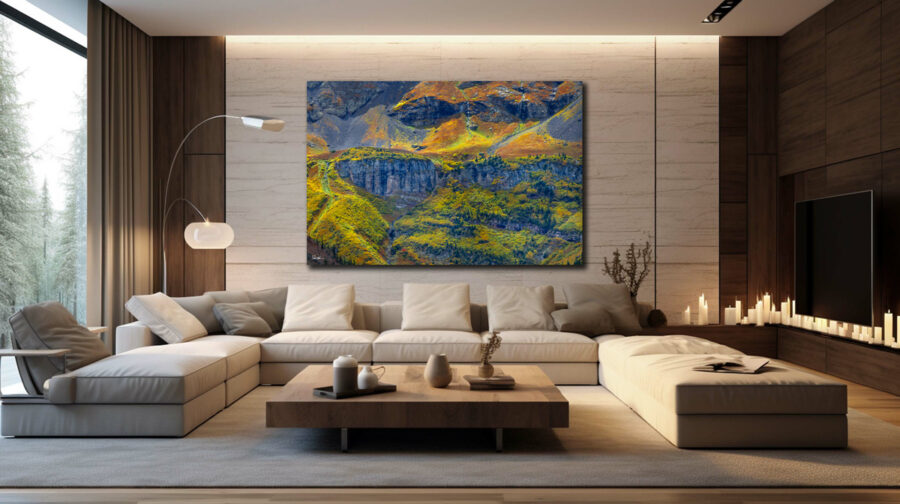
Decluttering and Mindful Organization
One of the hallmarks of a soft minimal approach is a clutter-free environment. This doesn't mean stripping away all belongings, but rather curating what you display and keeping surfaces tidy. Use storage solutions that blend seamlessly with your decor, such as woven baskets, low-profile cabinets, or open shelving with carefully chosen items.
Regularly edit your possessions to ensure that every piece has a purpose or brings you joy. This practice not only enhances visual calm but also supports a more mindful, intentional lifestyle.
Bringing Nature Indoors
Incorporating natural elements is a simple way to add warmth and life to a pared-back interior. Houseplants, dried grasses, or a vase of fresh flowers can soften the look of a room and improve air quality. Choose easy-care varieties like snake plants, pothos, or peace lilies for a low-maintenance touch of greenery.
Natural wood accents—such as a coffee table, picture frames, or shelving—also contribute to a grounded, organic feel. These touches help connect your home to the outdoors and reinforce the sense of tranquility.
Expert Tips for Achieving a Balanced Soft Minimal Home
- Start with a neutral base and layer in soft, tactile materials.
- Limit decorative objects to a few favorites for a curated look.
- Use mirrors to reflect light and make rooms feel more spacious.
- Opt for multi-functional furniture to maximize space and reduce clutter.
- Stay consistent with your color palette throughout the home for a unified feel.
For more in-depth guidance on wall decor, check out this complete guide to minimalist wall art, which covers everything from selecting art to arranging it for maximum impact.
Frequently Asked Questions
What is the difference between soft minimalism and traditional minimalism?
Traditional minimalism focuses on simplicity, clean lines, and a lack of ornamentation, which can sometimes feel stark. Soft minimalism, on the other hand, introduces warmth through textures, subtle colors, and natural materials, resulting in a more inviting and comfortable space.
How can I make a minimalist home feel cozy?
To add coziness to a minimalist space, layer different textures (like wool, linen, and cotton), use warm lighting, and incorporate natural elements such as wood and plants. Choose a neutral color palette with warm undertones and add a few personal touches through art and accessories.
What kind of artwork works best in a soft minimal-inspired home?
Abstract pieces, gentle landscapes, and line art prints are ideal for this style. Look for artwork with soft shapes, muted colors, and simple frames. Avoid overcrowding your walls; instead, select a few meaningful pieces that enhance the calm atmosphere.
Can I use color in a soft minimal home?
Yes, but it's best to stick with muted or pastel tones and use them sparingly. The primary palette should be neutral, with color introduced through small accents like cushions, throws, or artwork to maintain a serene and cohesive look.
Conclusion
Adopting a soft minimal home aesthetic is about more than just design—it's a way to create a peaceful, nurturing environment that supports relaxation and well-being. By focusing on gentle colors, tactile materials, and thoughtful organization, you can enjoy a space that feels both modern and deeply comforting. Whether you're updating a single room or your entire home, these principles will help you achieve a look that's timeless, functional, and uniquely yours.
If you're seeking more quick ways to refresh your space, consider exploring simple wall styling ideas for additional inspiration that aligns with this inviting and uncluttered approach.