
Poster Style Minimalist Art: Bold Graphics and Clean Typography
Poster style minimalist art has become a defining trend in modern interiors, celebrated for its striking visuals and uncluttered approach. This artistic direction focuses on the essentials—using bold shapes, limited color palettes, and crisp type to make a statement without overwhelming a space. Whether you’re a collector, a designer, or simply someone looking to refresh your walls, understanding the principles and appeal of this style can help you create a visually engaging environment that feels both contemporary and timeless.
Minimalist posters often draw inspiration from mid-century design, Scandinavian aesthetics, and the Bauhaus movement. The result is artwork that feels fresh, versatile, and easy to integrate into a variety of settings. By stripping away unnecessary details, these pieces allow color, form, and typography to take center stage, making them ideal for those who appreciate subtle sophistication and impactful design.
If you’re searching for more ways to incorporate clean, modern visuals into your space, you might enjoy exploring minimalist wall art inspiration ideas for additional concepts and gallery layouts.
Key Elements of Minimalist Poster Design
At the heart of poster style minimalist art are a few defining characteristics that set it apart from other decorative trends. These elements work together to create a look that’s both bold and understated:
- Simplified Graphics: Minimalist posters rely on geometric shapes, abstract forms, and negative space. This reductionist approach ensures that every element serves a purpose.
- Limited Color Palettes: Most pieces use one to three colors, often sticking to neutrals or muted tones. Occasional pops of vibrant color can add energy without disrupting the overall calm.
- Clean Typography: Fonts are chosen for their clarity and impact. Sans-serif typefaces, strong letter spacing, and strategic placement help communicate messages directly.
- Balanced Composition: Careful attention is paid to alignment, proportion, and spacing. The result is artwork that feels harmonious and visually pleasing.
These features make minimalist posters a versatile choice for living rooms, bedrooms, offices, and even commercial spaces. They complement a wide range of decor styles, from ultra-modern to transitional, and can serve as either subtle accents or bold focal points.
Why Choose Minimalist Posters for Your Space?
There are several reasons why this pared-back approach to wall art continues to gain popularity:
- Timeless Appeal: By focusing on the essentials, minimalist posters avoid trends that quickly become dated. Their simplicity ensures they remain relevant year after year.
- Versatility: These pieces work well in nearly any setting, whether you’re decorating a cozy apartment or a sleek office. They can be mixed and matched, layered, or displayed solo.
- Easy Integration: The restrained color schemes and clean lines blend seamlessly with existing decor. This makes it easy to update your space without a complete overhaul.
- Visual Impact: Despite their simplicity, minimalist posters can make a strong statement. The use of bold graphics and typography draws the eye and creates a focal point.
For those interested in exploring more geometric and mathematical influences in minimal art, geometric line art prints offer another compelling direction.
Typography’s Role in Minimalist Poster Art
Typography is a cornerstone of minimalist poster design. The right font can transform a simple phrase or word into a powerful visual element. Here’s how typography is used to enhance the overall effect:
- Legibility: Clean, sans-serif fonts are favored for their readability. This ensures that any message or quote is immediately understood.
- Hierarchy: Designers use font size, weight, and spacing to guide the viewer’s eye and emphasize key words or phrases.
- Contrast: Pairing bold type with ample white space creates a dramatic effect, allowing the text to stand out without competing with other elements.
- Emotional Tone: The choice of typeface can convey mood—whether it’s playful, serious, modern, or retro. This subtlety adds depth to otherwise simple compositions.
For those who appreciate a professional finish, modern framed minimal prints can elevate the look of any poster, adding structure and polish to the presentation.

How to Style Minimalist Posters in Your Home
Integrating minimalist poster art into your living or work space is straightforward, but a few tips can help you achieve the best results:
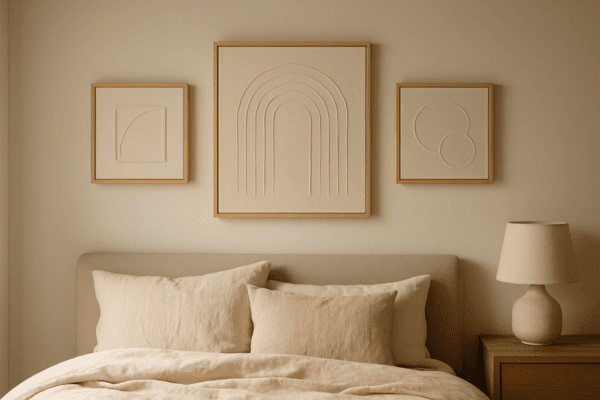
- Choose a Focal Point: Select one or two larger posters to anchor a room. Place them above a sofa, bed, or desk for maximum impact.
- Create a Gallery Wall: Arrange several smaller pieces in a grid or linear pattern. Stick to a consistent color palette and frame style for cohesion.
- Mix with Other Textures: Pair posters with tactile elements like wood, metal, or fabric to add warmth and depth to the minimalist look.
- Let the Art Breathe: Avoid overcrowding. Leave plenty of white space around each piece so the design can stand out.
- Rotate Seasonally: Swap out posters throughout the year to keep your decor feeling fresh and relevant.
For a softer take on minimalism, consider exploring the soft modern wall decor aesthetic, which introduces gentle contours and warm tones into the mix.
Where to Find High-Quality Minimalist Posters
There are many sources for purchasing or downloading minimalist poster prints. Online galleries, independent artists, and specialty shops all offer a wide range of options. For a curated selection of prints that embody the essence of this style, consider browsing minimalist wall art prints and posters from reputable online collections.
When shopping, pay attention to print quality, paper type, and framing options. High-resolution giclée prints and archival papers will ensure your artwork remains vibrant and durable for years to come.
Incorporating Minimalist Posters into Interior Design
Minimalist posters are a favorite among interior designers for their ability to tie together a room’s aesthetic. Here’s how they can enhance different spaces:
- Living Rooms: Use a single large poster above the sofa for a dramatic focal point, or group several smaller prints for a curated gallery effect.
- Bedrooms: Opt for calming abstract designs or inspirational quotes to create a soothing atmosphere.
- Home Offices: Motivational typography and clean graphics can boost productivity and keep the workspace uncluttered.
- Entryways: Welcome guests with a bold, graphic print that sets the tone for your home’s style.
If you’re inspired by architecture and structural forms, minimal interior design wall art offers a unique blend of artistry and spatial awareness.
Frequently Asked Questions
What makes poster style minimalist art different from other art styles?
This approach focuses on essential shapes, limited colors, and clear typography. Unlike more ornate or detailed styles, it uses simplicity and negative space to create visual impact, making it both modern and timeless.
How do I choose the right minimalist poster for my space?
Consider your existing decor, color palette, and the mood you want to set. Look for pieces that complement your furnishings and provide either a subtle accent or a bold focal point. Pay attention to size and framing for the best effect.
Can I mix minimalist posters with other types of wall art?
Absolutely. Minimalist posters pair well with photography, abstract paintings, and even vintage prints. The key is to maintain balance—use consistent framing or color schemes to create a cohesive look.
Where can I find unique minimalist poster designs?
Online galleries, independent artists, and specialty print shops are excellent sources. For a curated collection, check out minimalist wall art prints and posters for a variety of high-quality options.
Minimalist poster art offers a powerful way to refresh your space with clean lines, bold graphics, and thoughtful typography. By focusing on the essentials, you can create an environment that feels both modern and inviting—proving that sometimes, less truly is more.