

Neutral Home Wall Styling: Cohesive Decor for a Balanced Space
Creating a harmonious and inviting atmosphere in your living space often starts with the walls. Neutral home wall styling is a popular approach for those who appreciate subtlety, versatility, and timeless design. By focusing on understated tones and carefully curated decor, you can achieve a look that feels both calming and sophisticated. Whether you’re decorating a new home or refreshing your current space, this guide will walk you through the essentials of achieving a cohesive and balanced wall arrangement using neutral palettes.
Neutral tones—think whites, beiges, soft grays, and muted earth colors—offer a flexible foundation that works with almost any interior style. They allow your space to feel open and airy, while providing the perfect backdrop for art, mirrors, and other decorative elements. The key is to layer textures, play with scale, and choose pieces that complement each other for a unified look.
For those seeking more inspiration, exploring minimalist wall art inspiration ideas can provide fresh concepts and practical tips for incorporating neutral designs into your home.
Why Choose a Neutral Palette for Wall Decor?
Opting for a neutral color scheme on your walls brings several benefits. First, it creates a sense of tranquility and openness, making rooms feel larger and less cluttered. Neutral backgrounds also allow you to easily update your decor with seasonal accents or new art pieces without needing a complete overhaul. This approach is especially effective for those who prefer a minimalist or modern aesthetic, but it also adapts well to traditional and transitional interiors.
Another advantage is the ability to mix and match different materials and finishes. Wood, metal, linen, and ceramics all look elegant against a soft, neutral backdrop. This flexibility makes it easier to personalize your space while maintaining a cohesive look.
Key Elements of Balanced Neutral Wall Arrangements
Achieving a well-styled wall using neutral tones involves more than just picking a single color. Consider the following elements for a truly balanced effect:
- Layered Textures: Combine matte and glossy finishes, woven textiles, and natural materials to add depth and interest.
- Varied Shapes and Sizes: Mix large statement pieces with smaller accents to create visual flow.
- Consistent Color Family: Stick to a palette of 2–4 complementary neutrals for a unified appearance.
- Negative Space: Leave some areas open to prevent the wall from feeling overcrowded.

Ideas for Neutral Wall Art and Decor
There are countless ways to style your walls with neutral elements. Here are some popular options to consider:
- Abstract Prints: Soft, flowing shapes in beige, taupe, or gray can add movement without overwhelming the space.
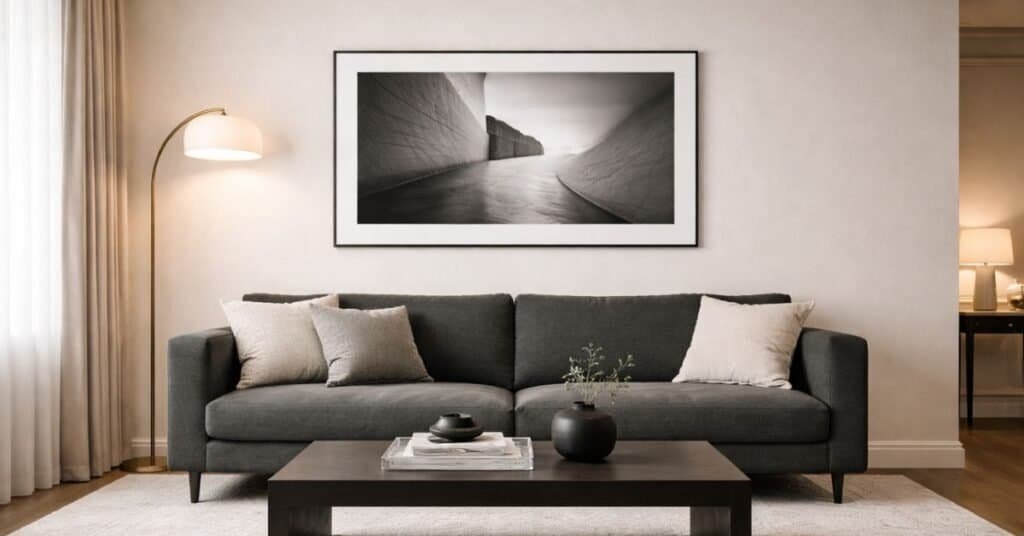
- Framed Photography: Black-and-white or sepia-toned photos bring a classic touch to neutral walls.
- Minimalist Canvases: Simple line drawings or geometric patterns, such as those found in geometric line art prints, offer a modern edge.
- Textile Hangings: Woven wall art or macramé in natural fibers adds warmth and texture.
- Mirrors: Reflect light and create the illusion of more space while keeping the look understated.
For those interested in exploring more professional and curated looks, modern framed minimal prints can be a great addition to your wall styling toolkit.
Arranging Neutral Decor for Maximum Impact
Placement is just as important as the pieces you choose. Here are some practical tips for arranging your neutral wall decor:
- Center Large Pieces: Anchor your arrangement with a sizable artwork or mirror at eye level.
- Create Groupings: Cluster smaller items in odd numbers for a balanced, organic feel.
- Align with Furniture: Ensure wall decor relates to the furniture below it—such as centering art above a sofa or console table.
- Maintain Consistent Spacing: Keep equal gaps between frames or objects for a tidy appearance.
Don’t be afraid to experiment with layouts before committing. Use paper templates or painter’s tape to visualize arrangements on the wall. This method helps you find the best composition without unnecessary holes or marks.
Mixing Neutrals with Subtle Color Accents
While the focus is on neutrals, introducing a hint of color can add personality and prevent the space from feeling too monotone. Consider soft blush, sage, or muted blue accents through small decor items, vases, or even the artwork itself. The key is to keep these accents minimal so that they enhance rather than overpower the overall look.
If you’re drawn to gentle, contemporary styles, exploring the soft modern wall decor aesthetic can help you find inspiration for incorporating warm tones and gentle contours into your design.
Minimalism and Neutral Wall Styling
Minimalist design and neutral palettes go hand in hand. By focusing on clean lines and uncluttered arrangements, you can create a serene environment that promotes relaxation and clarity. Choose a few impactful pieces rather than filling every inch of wall space. This approach not only highlights your chosen decor but also allows the room to breathe.
For more ideas on how to use architecture-inspired artwork and simple compositions, check out resources on minimal interior design wall art.
Expert Tips for a Cohesive Look
- Stick to a Theme: Whether it’s organic shapes, geometric patterns, or abstract art, maintaining a consistent theme ties the room together.
- Use Natural Light: Position art and mirrors to take advantage of sunlight, which enhances the beauty of neutral tones.
- Update Seasonally: Swap out small pieces or add new accents to keep the look fresh throughout the year.
- Balance Symmetry and Asymmetry: Symmetrical arrangements feel formal and orderly, while asymmetrical groupings add a relaxed, modern touch.
For even more inspiration, you can browse the best minimalist wall art ideas curated by design experts.
Frequently Asked Questions
What are the best materials for neutral wall decor?
Natural materials such as wood, linen, cotton, and ceramics work beautifully with neutral color schemes. These materials add tactile interest and warmth without introducing bold colors, helping to maintain a calm and cohesive atmosphere.
How do I keep a neutral wall arrangement from looking bland?
Layering different textures, mixing shapes and sizes, and incorporating subtle patterns can prevent neutral walls from feeling flat. Adding a few small color accents or metallic finishes can also enhance visual interest while keeping the overall look understated.
Can I use neutral wall styling in small spaces?
Absolutely. Neutral tones are ideal for small rooms because they reflect light and make spaces feel larger. Choose a few well-placed pieces and avoid overcrowding the walls to maximize the sense of openness and balance.