

Motion and Light in Cinematography
Cinematography is the art of capturing moving images in a way that tells a story, evokes emotion, and guides the viewer’s attention. Two of the most fundamental elements that shape the visual language of film are motion and light in cinematography. These aspects work together to create mood, define space, and bring scenes to life. Whether you’re a filmmaker, photographer, or visual storyteller, understanding how movement and illumination interact is essential for crafting compelling visuals.
In this article, we’ll explore how cinematographers use dynamic movement and lighting techniques to enhance storytelling. We’ll also look at practical tips, common challenges, and resources for mastering these core concepts. If you’re interested in related topics, you might also find value in capturing dynamic movement for more in-depth guidance on movement in visual storytelling.
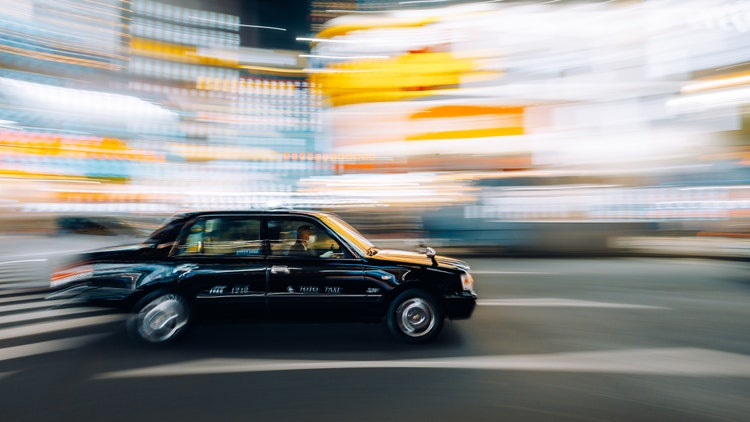
The Role of Movement in Visual Storytelling
Movement is a powerful storytelling device in film and video. It can refer to the motion of subjects within the frame, the movement of the camera itself, or even the way light travels and changes throughout a scene. Each type of movement serves a unique narrative purpose:
- Subject movement: Actors, vehicles, or objects in motion can convey emotion, urgency, or chaos. The way a character walks, runs, or interacts with their environment reveals personality and intent.
- Camera movement: Techniques like pans, tilts, tracking shots, and handheld work can immerse the viewer, build tension, or provide context. Smooth tracking shots often create a sense of calm, while shaky handheld footage can evoke anxiety or realism.
- Light movement: Shifting light sources, flickering, or changing color temperature can signal the passage of time, a change in mood, or draw attention to specific elements in the frame.
By combining these forms of movement, cinematographers guide the audience’s focus and create a dynamic visual experience. For more on lighting techniques for moving subjects, see lighting for moving subjects.
Lighting Techniques for Cinematic Impact
Lighting is more than just illuminating a scene; it’s about shaping the atmosphere, revealing texture, and supporting the story’s emotional tone. The interplay between motion and light in cinematography can transform a simple shot into something visually striking. Here are some essential lighting concepts:
- Key light: The main source of illumination, often positioned to one side of the subject to create depth and dimension.
- Fill light: Used to soften shadows created by the key light, reducing contrast and revealing more detail.
- Backlight: Placed behind the subject to separate them from the background and add a sense of depth.
- Practical lights: Visible sources within the scene, such as lamps or neon signs, that contribute to the mood and realism.
Lighting setups can be static or dynamic. For example, a moving light source can simulate the effect of passing headlights or a flickering candle, adding realism and drama. The relationship between light and movement is especially important in scenes with action or emotional intensity.

How Motion and Light Work Together
The synergy between movement and illumination is at the heart of cinematic visuals. When a subject moves through a lit environment, the quality and direction of light change, affecting how the audience perceives the scene. For instance, a character walking from a brightly lit street into a shadowy alley instantly shifts the mood and draws attention to the transition.
Camera movement also interacts with lighting. As the camera pans or tracks, the angle of light relative to the lens can create lens flares, shifting shadows, or highlight new details. Cinematographers often plan lighting setups with camera movement in mind to maintain consistency and visual interest.
If you’re interested in how artificial lighting can be used creatively in these scenarios, the article on understanding artificial lighting offers practical advice for both beginners and experienced filmmakers.
Practical Tips for Using Movement and Illumination
To make the most of movement and lighting in your own projects, consider these practical strategies:
- Pre-visualize your scenes: Storyboard or sketch out how subjects and light will interact. This helps anticipate challenges and plan camera moves.
- Experiment with different light sources: Mix natural and artificial lights to create unique effects. Try moving lights during a shot to see how it changes the mood.
- Use motivated lighting: Place lights where they make sense within the story—like a lamp on a desk or sunlight streaming through a window.
- Adjust exposure for movement: Fast-moving subjects may require different shutter speeds or ISO settings to avoid blur or noise.
- Balance contrast and shadow: Use fill lights or reflectors to control harsh shadows, especially when subjects are in motion.
For a deeper dive into measuring and controlling light, check out light metering explained for guidance on exposure and metering techniques.

Common Challenges and Solutions
Working with both movement and lighting presents unique challenges. Here are some frequent issues and how to address them:
- Motion blur: Fast action or camera movement can cause unwanted blur. Use higher shutter speeds or add more light to compensate.
- Inconsistent exposure: Moving subjects may pass through areas of different brightness. Use balanced lighting or adjust camera settings to maintain consistent exposure.
- Unwanted shadows: As subjects move, they may cast distracting shadows. Plan your lighting angles and use fill lights to minimize this effect.
- Color temperature shifts: Mixing different light sources can result in unnatural color casts. Use gels or adjust white balance to correct this.
Learning how to control these variables is a key skill for any visual storyteller. For more inspiration on creative lighting, see dynamic lighting in photography.
Resources for Further Learning
Mastering the relationship between movement and light takes practice and study. Here are some recommended resources:
- Comprehensive guide to understanding light in visual arts
- Workshops and online courses focused on cinematography and lighting design
- Film analysis: Watch movies known for their innovative use of movement and lighting, and study how these elements support the story
Experimenting with different techniques and analyzing professional work will help you develop your own visual style.
Frequently Asked Questions
How does lighting affect the perception of movement in film?
Lighting can emphasize or de-emphasize movement by creating contrast, highlighting motion trails, or focusing attention on specific areas of the frame. For example, strong backlighting can create silhouettes that accentuate a subject’s movement, while soft, even lighting may make motion appear more fluid and less dramatic.
What are some common lighting setups for scenes with a lot of motion?
Three-point lighting is a classic approach, but for dynamic scenes, cinematographers often use multiple sources to ensure consistent exposure as subjects move. Moving lights, practicals, and motivated lighting are also popular for maintaining visual interest and realism during action sequences.
Can I achieve cinematic results with minimal equipment?
Yes, creative use of available light, practical sources, and careful planning can yield impressive results even with basic gear. Understanding the principles of motion and light in cinematography is more important than having the most expensive equipment. Experimentation and resourcefulness are key.